Couch Sheet Protection Calculator
Protect Your Couch Like a Pro
Calculate how much you could save by using sheets to protect your couch instead of professional cleaning or replacement.
Estimated Annual Savings
Your sheet protection could save you more than professional cleaning or premature replacement.
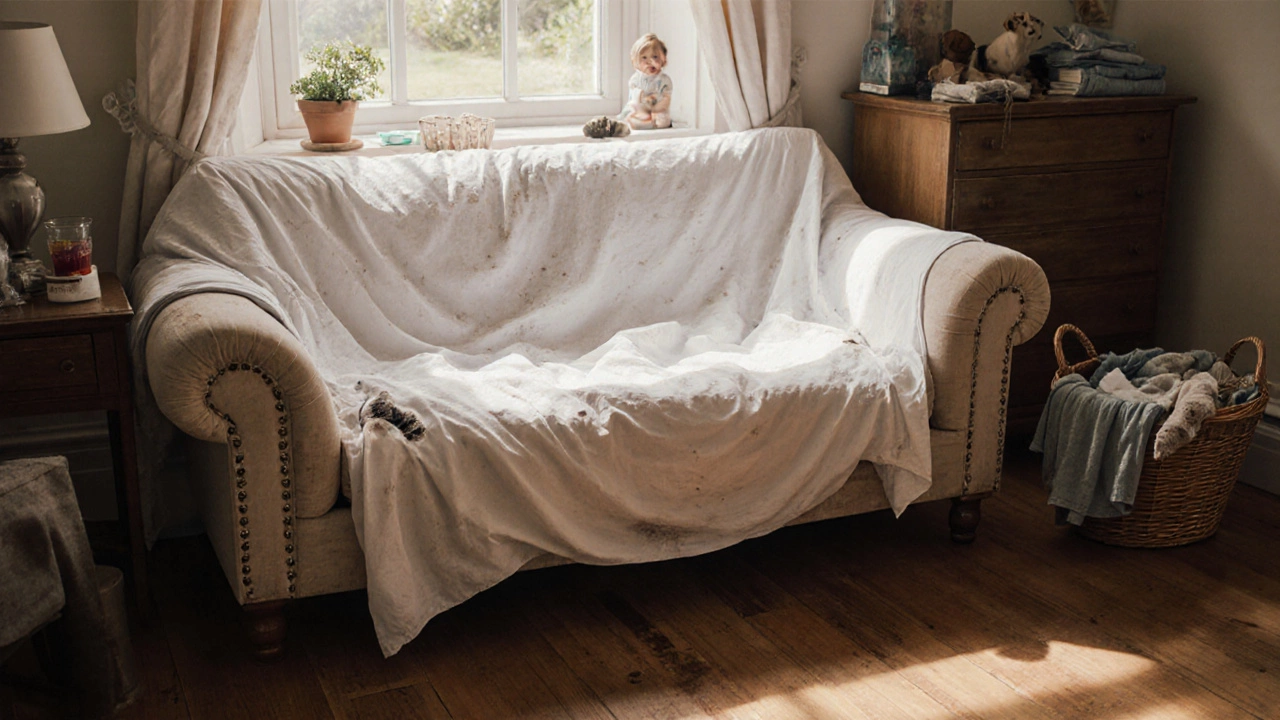
Ever walk into a living room and see a plain white sheet draped over the couch? It might look old-fashioned, even a little lazy. But there’s a reason this habit stuck around for decades-and it’s not just about nostalgia. People put sheets over couches for very real, practical reasons that have nothing to do with style and everything to do with survival.
Protecting Against Pets and Kids
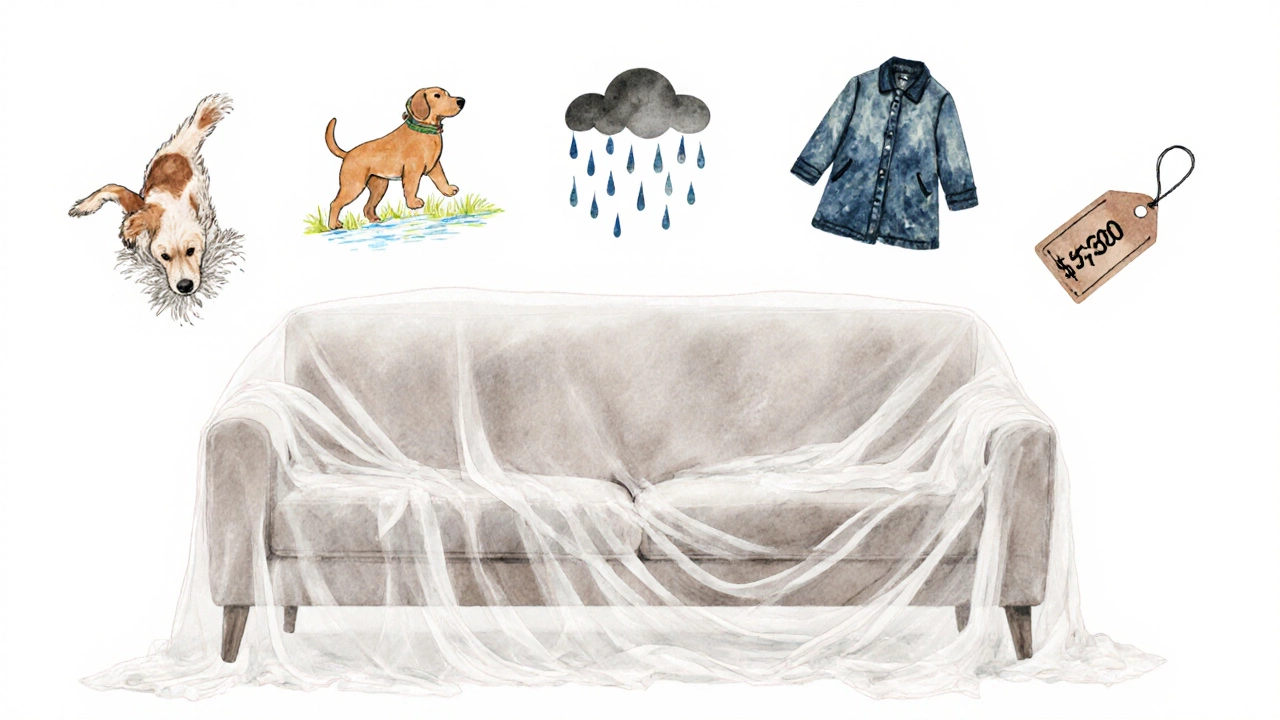
If you’ve ever had a dog that sheds like a snowstorm or a toddler who treats the couch like a snack zone, you know how fast fabric can turn into a disaster zone. Pet hair, muddy paws, juice spills, and crayon doodles don’t just disappear. A cotton sheet acts like a cheap, replaceable barrier. It catches the worst of the mess so you don’t have to deep-clean the couch every week. And when it gets stained? You toss it in the wash. No bleach stains on the actual upholstery. No permanent odor trapped in the foam. Just clean it, hang it to dry, and put it back.
This isn’t just for households with kids or pets. Even people with one cat that likes to nap on the armrest keep a sheet on hand. Cats scratch. Dogs drool. Babies spit up. The sheet absorbs it all.
Preserving Expensive Furniture
Not all couches are made equal. A high-end sectional from a designer brand can cost $3,000 or more. The fabric? Often microfiber, linen, or performance-grade material that’s hard to clean and even harder to replace. These fabrics fade in sunlight, pill with friction, and stain from the slightest spill. A sheet protects the original material from UV rays, daily wear, and accidental spills.
Many people who bought their couches during a move, inheritance, or renovation don’t want to risk damaging it. They treat it like a heirloom. The sheet becomes a shield. It’s not about hiding the couch-it’s about keeping it alive longer. A well-maintained couch with a slipcover can last 15 years. One without? Maybe five.
Easy Cleaning and Low Maintenance
Deep-cleaning a couch isn’t a weekend project. It’s expensive. Professional upholstery cleaning costs $100-$250 depending on size. And it doesn’t always work. Some stains set in. Odors linger. The fabric shrinks or changes texture after steam cleaning.
A sheet? Wash it in cold water with regular detergent. Tumble dry on low. Done in under an hour. You don’t need special tools. No rental machines. No chemical fumes. Just laundry. For families who don’t have time-or money-for professional cleaning, this is the smartest workaround.
It’s also a great trick for people who rent. Landlords often charge for wear and tear. A sheet hides scuffs, pet marks, and faded spots. When it’s time to move out, you take the sheet off. The couch looks almost new. No deposit lost.

Seasonal Changes and Temporary Updates
People don’t always want to buy new furniture just to match the season. In winter, dark, heavy fabrics feel cozier. In summer, light colors and breathable materials feel cooler. A cotton sheet lets you switch the look of your couch without buying a new one.
Some use white sheets in summer to reflect light and keep the seat cooler. Others use patterned sheets or even old quilts for a rustic vibe. It’s a low-cost way to refresh a room. You don’t need to spend $500 on a new slipcover. A $15 twin flat sheet from the dollar store does the job.
This trick is especially common in places with extreme weather. In Vancouver, where rainy winters mean wet coats and muddy boots, a sheet over the couch is practically mandatory. People come in from the rain, shake off their jackets, and sit down without thinking twice.
Hidden Storage and Unexpected Uses
It’s not just about covering the couch. Some people use the sheet as a makeshift storage solution. When guests are coming over, they tuck throw pillows, blankets, and remote controls under the sheet. It hides clutter without putting things away in a cabinet. When the guests leave, they just pull the sheet off and everything’s still there.
Others use it to protect the couch during home repairs. Painting the walls? Sanding the floor? A sheet draped over the furniture keeps dust and paint splatters off the fabric. It’s cheaper than plastic drop cloths and easier to secure with clothespins.
Even in emergencies, a couch sheet can be useful. Power outage? Use it as a blanket. Kids camping in the living room? It becomes a fort wall. One person told me they used a sheet over their couch as a temporary bed when their guest room was being renovated. It wasn’t ideal-but it worked.
Why Not Just Buy a Slipcover?
You might think, “Why not just buy a proper slipcover?” And you’re right-slipcovers exist. They’re tailored, elasticized, and come in dozens of fabrics. But they’re also expensive. A decent one costs $80-$200. And they don’t always fit right. If your couch has weird arms, recliners, or a chaise, finding the right size is a nightmare.
A flat sheet? It fits almost anything. It’s stretchy. It’s soft. You can fold it, tuck it, or tie it with ribbon if you want it to look neat. It’s not perfect, but it’s flexible. And if you mess it up? You buy another one for $8.
Plus, most slipcovers are made of synthetic blends that don’t breathe well. Cotton sheets? They’re natural, cool, and gentle on skin. People who hate the feeling of polyester on their legs prefer the softness of cotton.
It’s Not About Looks-It’s About Function
There’s a myth that putting a sheet over your couch means you don’t care about your home. But the opposite is true. People who do this are often the ones who care the most. They’re trying to protect their investment. They’re trying to make life easier. They’re trying to avoid the stress of constant cleaning or expensive repairs.
In a world where everything is designed to look perfect on Instagram, the couch sheet is a quiet act of rebellion. It says: I value function over form. I’d rather spend my time with my family than scrubbing pet hair out of velvet.
It’s not outdated. It’s practical. And if you’ve ever tried to clean a stained couch with a sponge and some vinegar, you already know it’s genius.
Are couch sheets only for old-fashioned homes?
No. Couch sheets are used in modern homes, rentals, vacation properties, and even luxury apartments. The trend isn’t about style-it’s about solving real problems like pet messes, spills, and fading fabric. Many interior designers now recommend slipcovers or sheets as part of a practical, long-term furniture strategy.
Can I use a fitted sheet instead of a flat one?
Yes, and many people prefer them. Fitted sheets stay in place better, especially on L-shaped or sectional couches. A queen or king-sized fitted sheet can stretch over most standard sofas. Just make sure it’s not too tight-you don’t want to pull the fabric out of shape. If the corners are too snug, tuck the excess under the cushions.
Do couch sheets make the couch look messy?
Only if you don’t put it on neatly. A loosely draped sheet looks sloppy. But if you smooth it out, tuck the edges under the cushions, and fold the corners like you’re making a bed, it looks intentional. Some people even use decorative pins or ribbon to secure the corners for a cleaner look. It’s about effort, not the sheet itself.
What’s the best fabric for a couch sheet?
Cotton is the top choice. It’s breathable, washable, and soft. Linen works too, but wrinkles easily. Avoid polyester blends-they trap heat and static. For high-traffic areas, look for heavyweight cotton (like bed sheets with a 200-thread count). They last longer and hold up better to daily use.
How often should I wash the sheet?
Once a week if you have pets or kids. Every two weeks for light use. If you notice odors, stains, or visible dust, wash it immediately. Don’t wait until it looks dirty-by then, the dirt’s already soaked into the couch underneath. Regular washing keeps both the sheet and the couch cleaner in the long run.