Corner Sofa Placement Calculator
No calculation yet
Putting a corner sofa in the wrong spot can turn your living room into a maze. You’ve bought the perfect piece - comfy, stylish, fits the budget - but now it’s sitting there awkwardly, blocking the door, crushing the flow, or just looking lost. It’s not about how big the sofa is. It’s about how it connects with the room. Here’s how to get it right.
Start with the room’s natural flow
Look at how people move through your space. Where do they walk when they come in from the hallway? Where do they go to grab a drink or head to the kitchen? A corner sofa shouldn’t block these paths. Most people don’t realize that furniture doesn’t need to hug the walls. In fact, floating a sofa - even a corner one - can open up the room. Try pulling it away from the wall by 6 to 12 inches. You’ll create a more inviting space and give people room to walk behind it without bumping into the armrest.
One common mistake? Placing the sofa right in front of a window. It’s tempting - you get the view, the light - but it kills natural airflow and makes the space feel cramped. If you have a large window, position the sofa perpendicular to it. Let the light spill across the room instead of being blocked. This also lets you use the wall behind the sofa for shelves, art, or a console table.
Use the focal point as your anchor
Every living room has a natural center - the TV, the fireplace, a big window, or even a bookshelf. Your corner sofa should face it. Not beside it. Not at an awkward angle. Directly across. This creates a clear conversation zone. If your TV is on one wall and the fireplace is on another, you’ve got a dilemma. Most people pick the TV. But if you use the room for chatting more than binge-watching, go with the fireplace. The sofa doesn’t have to stare directly at it - a 30-degree angle still works. The key is to make sure everyone can see the focal point without twisting their necks.
Try this test: Sit in the sofa. Now look around. Can you see the TV without standing up? Can you see the person sitting across from you? If not, move it. A corner sofa is flexible. You can rotate the chaise to face the fireplace, or keep it tucked into the corner and face the TV. Don’t be afraid to experiment. Take a tape measure. Sketch it on paper. Move the coffee table around first. It’s cheaper than moving the sofa twice.
Think about the corner - not just the shape
Not all corners are created equal. A corner sofa doesn’t belong in every corner. If your room has a weird angle, a heating vent, or a door that swings open, it might not work. Test the space with masking tape. Outline the sofa’s footprint on the floor. Then walk through the room 10 times. Does the door hit the chaise? Can someone walk past without stepping on the cushion? Are there outlets behind it? You’ll need space to plug in lamps or a soundbar.
Also, check ceiling height. A tall backrest on a corner sofa can feel overwhelming in a room with low ceilings. If your ceilings are under 8 feet, go for a low-profile model. If you have high ceilings, a taller sofa adds balance. The shape of the corner matters too. If your room has an L-shape, a matching L-shaped sofa works. But if the corner is tight - like in a 1970s bungalow - you might need a smaller chaise or even a right-facing instead of left-facing model. Measure twice. Buy once.
Balance the room with other furniture
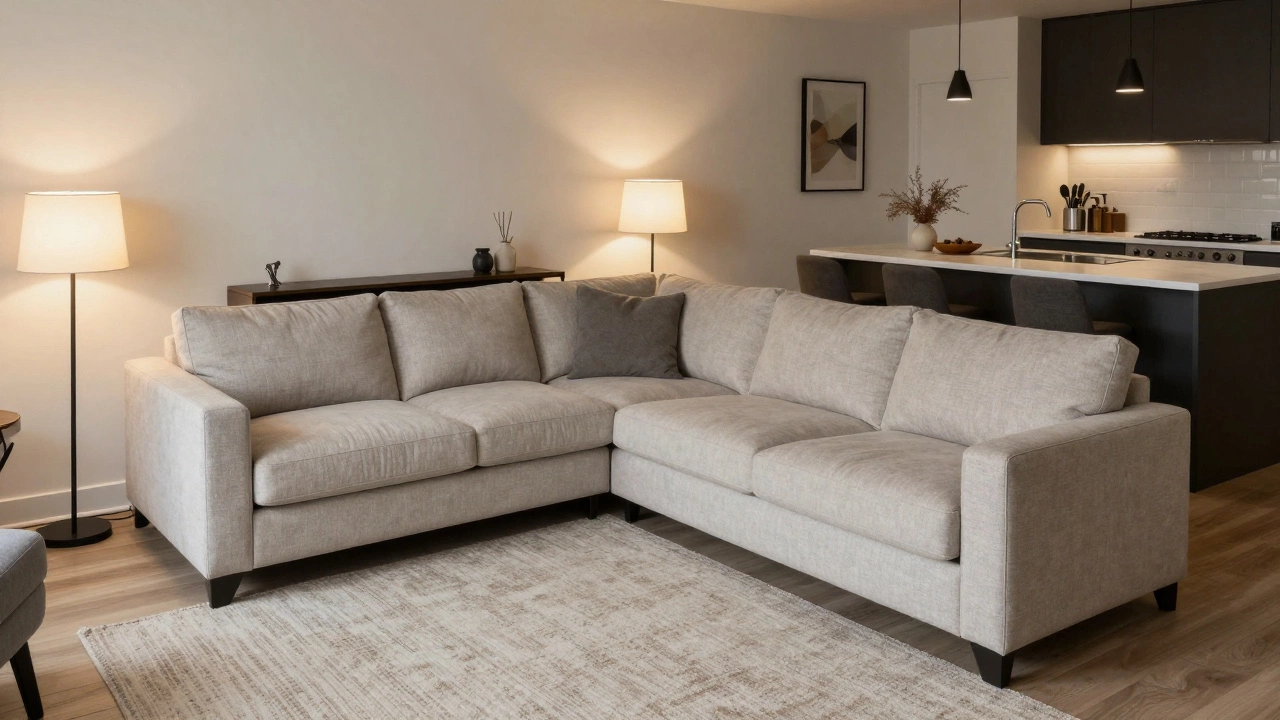
A corner sofa dominates. That’s why the rest of the furniture needs to breathe. Don’t pile on a matching loveseat across from it. That’s a trap. It makes the room feel like a showroom. Instead, pair it with a single armchair or a small ottoman. Add a side table with a lamp. Use a rug that’s big enough to fit under the front legs of the sofa. This grounds it. A rug that’s too small makes the sofa look like it’s floating in space.
If you have a large room, consider a second seating zone. Place a pair of armchairs near the window or in a quiet corner. This creates two distinct areas - one for lounging, one for chatting. It’s not about filling space. It’s about creating rhythm. The corner sofa becomes the anchor. The other pieces are supporting actors.
Lighting and scale matter more than you think
Corner sofas come in sizes ranging from compact (fits a 10x10 room) to massive (takes over a 16x20 space). If your room is small, go for a slim armrest and a shorter chaise. You want to leave at least 3 feet of walking space on all sides. A sofa that’s too big makes the room feel like a cave. A sofa that’s too small looks lost.
Lighting is just as important. If the sofa is placed far from a window, add floor lamps on either side. One behind the chaise, one near the main seat. This creates soft pools of light. It’s warmer than overhead lighting. It also makes the space feel cozy. Avoid placing the sofa under a bright ceiling fixture. It casts shadows on your face when you’re sitting. No one wants to look like they’re in a interrogation room.
Real-world examples that work
Here’s what works in real homes:
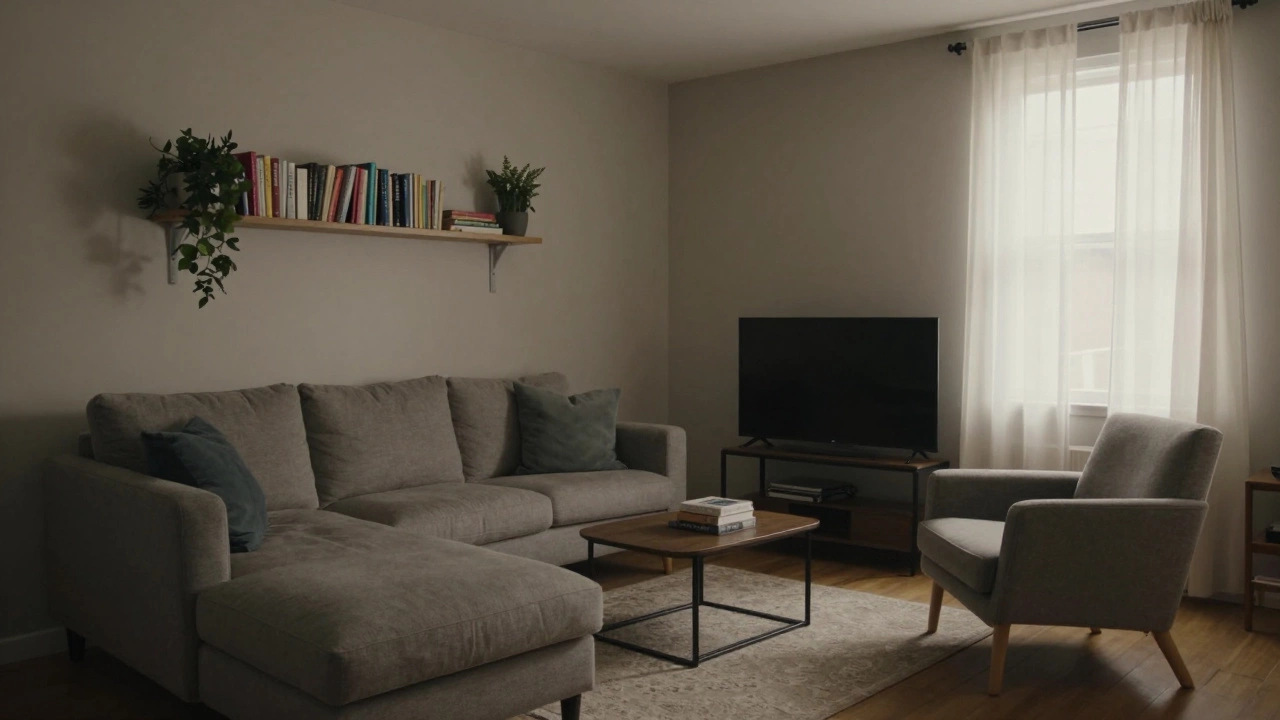
- Small living room (12x14): Place the sofa with the chaise along the shorter wall, facing the TV. Leave 4 feet of space in front for a slim coffee table. Add a wall-mounted shelf above the sofa for books and plants. A single armchair on the opposite side creates balance.
- Open-concept space (18x22): Use the corner sofa to define the living area. Position it diagonally across from the kitchen island. Add a large rug that connects the sofa to the dining zone. Two floor lamps on either end of the sofa break up the space visually.
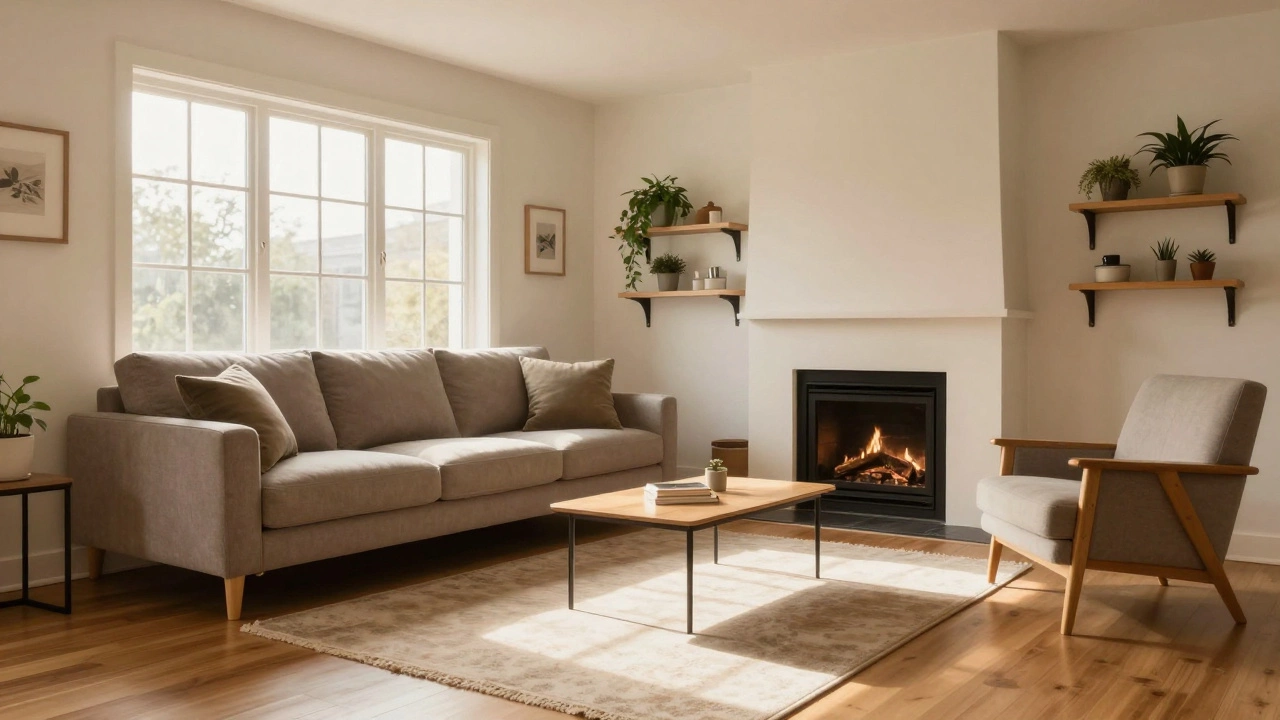
- Room with a fireplace: Place the sofa perpendicular to the fireplace, with the chaise tucked into the corner. The TV goes on the wall beside it. A low console table behind the sofa holds decor and hides wires.
What not to do
Stop doing these things:
- Don’t put the sofa in front of a radiator or air vent. It blocks heat and makes the cushions sweat.
- Don’t tuck it into a corner that’s blocked by a door or a light switch. You’ll hate it in three weeks.
- Don’t buy a corner sofa without testing the angle. Some chaises curve too sharply. Sit in it. Lie down. Make sure your knees don’t hit the armrest.
- Don’t ignore the back. If the sofa faces a blank wall, it’ll feel dead. Add a tall plant, a mirror, or a gallery wall.
Final tip: Live with it for a week
Move the sofa in. Don’t decorate right away. Sit in it every morning. Watch how light changes. Notice where people naturally walk. After a few days, you’ll know if it’s working. If the room feels tight, move it. If the chaise is too far from the TV, rotate it. You don’t need to get it perfect on day one. You need to live with it long enough to feel it.
There’s no one-size-fits-all layout. But there are rules that work every time: flow first, focal point second, balance third. The rest is just style.
Can I put a corner sofa in front of a window?
It’s possible, but not ideal. A sofa in front of a window blocks natural light and airflow. It also makes the room feel smaller. If you must, choose a low-back sofa and pull it away from the glass by at least 2 feet. Add sheer curtains to soften the light and keep privacy.
Should the chaise be on the left or right side?
It depends on your room layout and how you use the space. If your main entrance is on the left, put the chaise on the right so people can walk past easily. If you have a TV on the right wall, put the chaise on the left so you can sit facing it without turning your head. Test both setups with tape on the floor before buying.
How much space do I need around a corner sofa?
Leave at least 30 inches (2.5 feet) between the sofa and any other furniture or wall. For walking paths, aim for 36 inches (3 feet). If you have a coffee table, make sure you can slide a plate between it and the sofa without scraping. In small rooms, even 2 feet can work - but only if you’re not moving a lot of furniture around.
Can I use a corner sofa in a rectangular room?
Absolutely. In fact, it’s one of the best ways to define a seating area in a long, narrow room. Place the sofa along the shorter wall, with the chaise extending into the room. This breaks up the length and creates a cozy nook. Add a side table and lamp to anchor the corner.
Do I need a rug under a corner sofa?
Yes, but not the whole sofa. The front legs should sit on the rug. This grounds the seating area and makes it feel intentional. If the rug is too small, the sofa will look like it’s floating. If it’s too big, it’ll overwhelm the space. A good rule: the rug should extend 12 to 18 inches beyond the front of the sofa.