Bathroom Renovation Budget Planner
Plan your $5,000 bathroom refresh. Select how you will handle each major task to see if you stay within your target budget.
You have plenty of room in your budget.
Walking into a cramped, dated bathroom in Vancouver and dreaming of a spa-like retreat is easy. But when you see the quote from a licensed contractor-often starting at $15,000 or more-the dream hits a brick wall. So, can you actually pull off a full bathroom redo for $5000? The short answer is yes, but only if you change how you approach the project. It requires swapping out high-end finishes for budget-friendly alternatives, handling significant portions of the labor yourself, and keeping the footprint exactly as it is.
This isn't about cutting corners until the walls leak. It's about strategic decision-making. In the Pacific Northwest market, where labor costs are higher than the national average, your biggest enemy isn't the price of tiles; it's the hourly rate of a plumber or electrician. If you understand where to spend and where to save, a $5,000 budget transforms from an impossible fantasy into a realistic plan for a fresh, functional space.
The Reality of Your $5,000 Budget
Let’s break down what that money actually buys you in 2026. A standard bathroom in a Vancouver condo or house typically ranges from 40 to 80 square feet. For this guide, we’re assuming a standard 5x8 foot (40 sq ft) powder room or small primary bath. If you have a larger master suite with a soaking tub, the math gets much tighter.
Your budget needs to be split between materials and labor. In a traditional hire-a-contractor scenario, labor often accounts for 50-60% of the total cost. To stay under $5,000, you need to flip this ratio. Aim to spend no more than $2,000 on professional trades (plumbing and electrical rough-ins) and keep material costs under $3,000. This means you will likely be doing the demolition, painting, tiling, and installation of fixtures yourself.
Here is a realistic breakdown of where the money goes:
- Demolition & Hauling: $300 - $500. Renting a dumpster or using a skip bin service.
- Plumbing Rough-In: $800 - $1,200. Moving the toilet or shower drain adds cost; keeping them in place saves thousands.
- Materials: $2,000 - $2,500. Tiles, grout, caulk, paint, and basic fixtures.
- Electrical Updates: $300 - $500. Updating outlets or light fixtures if necessary.
- Contingency: $200. Always keep a buffer for unexpected surprises behind drywall.
Where to Save Big: Materials vs. Labor
The secret to staying under budget lies in understanding which items drive up costs. High-end porcelain slabs look beautiful, but they require specialized installation tools and skilled hands. Instead, opt for large-format ceramic tiles or even quality vinyl plank flooring designed for wet areas. These options are easier to cut, install, and replace if you make a mistake.
Consider the vanity. A custom-built wooden vanity can cost over $1,500 just for the cabinet. A ready-made, pre-assembled vanity from a big-box retailer like Home Depot or Lowe’s can be found for $400 to $700. Yes, it might not have the intricate drawer glides of a high-end piece, but it provides storage and a countertop surface without breaking the bank.
Lighting is another area where people overspend. You don’t need designer pendants to make a bathroom feel bright. Modern LED recessed lights or simple semi-flush mount fixtures offer excellent energy efficiency and clean lines. Focus on layering light rather than buying one expensive statement piece.
| Task | DIY Cost (Materials Only) | Professional Labor + Materials | Savings |
|---|---|---|---|
| Demolition | $300 | $1,500 | $1,200 |
| Tiling Walls/Floor | $800 | $3,500 | $2,700 |
| Vanity Installation | $500 | $2,000 | $1,500 |
| Painting | $100 | $600 | $500 |
| Total Estimated | $1,700 | $7,600+ | $5,900+ |
The DIY Checklist: What You Can Handle
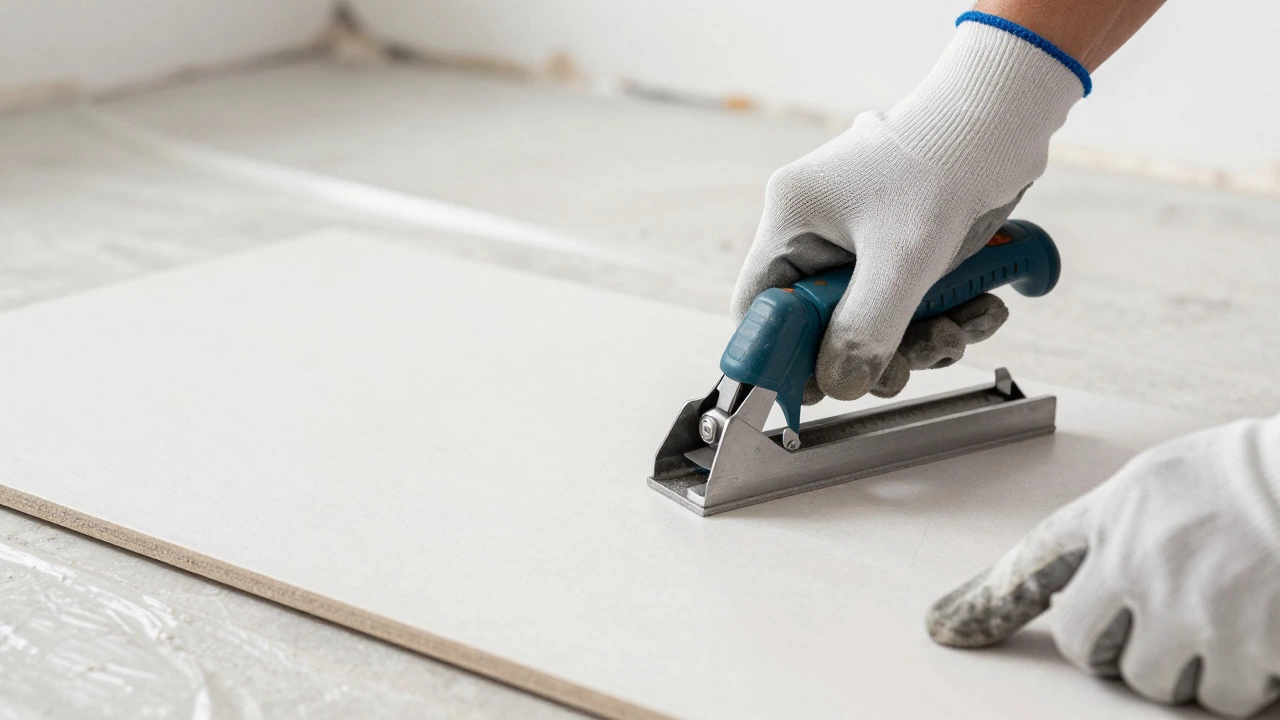
If you’ve never renovated a bathroom before, start by assessing your comfort level with power tools. You’ll need a tile cutter, a drill, and a good set of safety gear. Here is the step-by-step process for a $5,000 refresh:
- Plan the Layout First: Do not buy anything until you have measured everything twice. Keep the toilet, sink, and shower in their original locations. Moving plumbing is the single most expensive part of any bathroom renovation.
- Demolish Carefully: Turn off the water supply. Remove old tiles, vanities, and fixtures. Protect your floor with plastic sheeting to avoid damaging the subfloor.
- Repair the Substrate: Check the cement board or backer board behind the old tiles. If it’s soft or moldy, replace it. This is a hidden cost that can eat into your budget if ignored.
- Waterproofing is Non-Negotiable: Apply a liquid waterproofing membrane to all wet areas. It’s cheap insurance against leaks that could ruin your floors later.
- Tile and Grout: Start with the floor, then move to the walls. Use spacers to ensure even gaps. Don’t rush the drying time for grout.
- Install Fixtures: Mount the new vanity, toilet, and shower head. Ensure all connections are tight and sealed with silicone caulk.
Avoiding Common Pitfalls That Blow Up Budgets
Even with a solid plan, things go wrong. The most common mistake homeowners make is buying too many materials "just in case." Tile waste is usually around 10-15%. Buy exactly that amount plus a small buffer, not extra boxes for future projects.
Another trap is underestimating the time required. A weekend warrior might think they can tile a 40-square-foot bathroom in two days. In reality, it takes four to five days including prep, setting, and cleaning. Factor in your time value. If you hate tiling, maybe hire a pro just for that task and do the rest yourself. Sometimes paying $1,500 for professional tiling allows you to keep the overall project under control while saving on other areas.
Also, watch out for permit fees. In Vancouver, minor cosmetic changes often don’t require permits, but moving plumbing or electrical lines does. Check with your local building department early. A surprise inspection fee or fine can derail a tight budget.
When to Call in the Pros
While DIY saves money, some jobs are risky if done incorrectly. You should always hire a licensed professional for:
- Moving any plumbing lines (toilet, sink, shower drain).
- Updating electrical circuits or adding new GFCI outlets.
- Working with gas lines (if you have a gas water heater in the room).
- Structural changes like removing non-load-bearing walls.
For these tasks, get three quotes. In the current market, prices vary significantly between contractors. Look for someone who specializes in small renovations; big general contractors often charge premium rates for smaller jobs because they prefer larger projects.
Maximizing Value on a Tight Budget
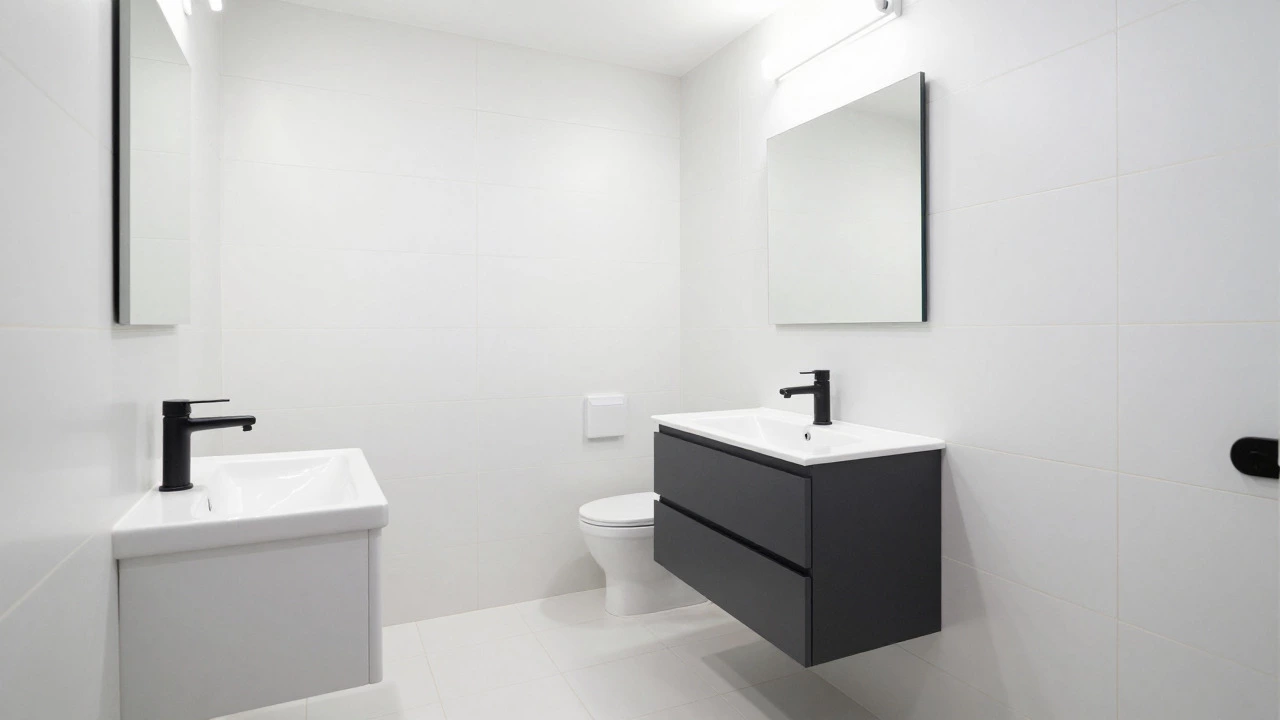
It’s possible to make a $5,000 bathroom look like it cost twice as much. The trick is in the details. White or light gray tiles reflect light and make the space feel larger. Avoid dark, busy patterns that can make a small room feel claustrophobic.
Hardware matters. Replacing old, tarnished knobs and handles with modern matte black or brushed nickel ones is a cheap upgrade that instantly modernizes the look. A new shower curtain and matching bath mat add texture and color without requiring construction work.
Finally, lighting placement. Ensure you have adequate task lighting near the mirror. Poor lighting makes a bathroom feel uninviting regardless of the tile quality. A simple LED strip under the mirror can transform the ambiance for under $50.
Is $5000 enough for a full bathroom renovation in Vancouver?
Yes, but only if you handle most of the labor yourself and keep the plumbing layout unchanged. Hiring a full-service contractor will likely push the cost to $15,000 or more. A hybrid approach, where you hire pros for plumbing/electrical and DIY the rest, fits comfortably within this budget.
What is the most expensive part of a bathroom remodel?
Labor and plumbing modifications are the most expensive components. Moving a toilet or shower drain involves digging into concrete or slab foundations, which requires skilled tradespeople and specialized equipment. Keeping fixtures in their original spots saves the most money.
Should I hire a contractor or DIY my bathroom?
If you have experience with basic carpentry and tiling, DIY is viable for cosmetic updates. However, always hire a licensed plumber and electrician for rough-in work to ensure code compliance and prevent costly leaks or electrical hazards.
How long does a $5000 bathroom renovation take?
A DIY project typically takes 3 to 5 weeks part-time. If you work full-time on it, you might finish in 2 weeks. Professional timelines are faster but more expensive. Plan for disruptions to your daily routine during this period.
What materials are best for a low-budget bathroom?
Large-format ceramic tiles, vinyl plank flooring, and ready-made vanities offer the best balance of durability and cost. Avoid natural stone like marble or granite, which is expensive to maintain and install. Porcelain is a durable mid-range option that mimics stone at a lower price point.