Furniture Savings Calculator
Purchase Details
Enter your details and click calculate to see how much you could save by timing your purchase.
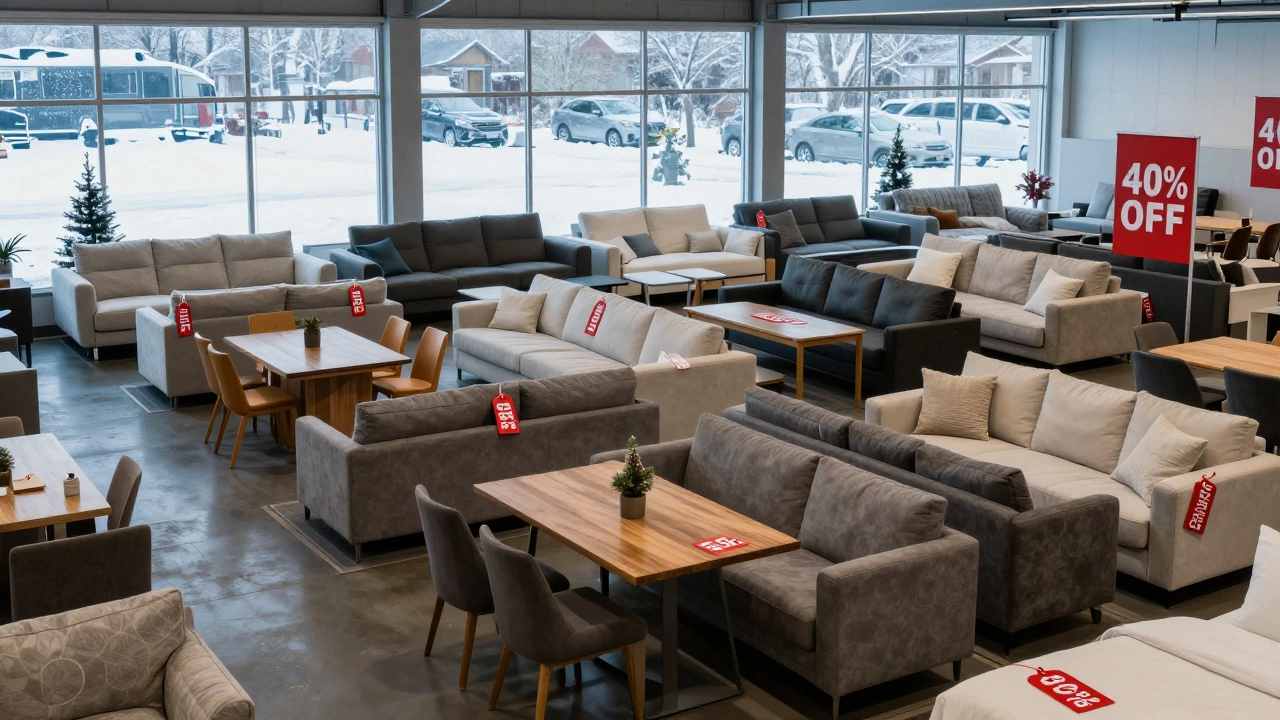
Picture this: you’ve been eyeing that mid-century modern sofa for months. It’s perfect for your living room, but the price tag makes you wince. You check back every week, hoping for a discount that never seems to arrive. Then, out of nowhere, it drops by 40%. How did they do that? And more importantly, how can you predict when it will happen again?
Furniture pricing isn’t random. It follows a predictable rhythm tied to inventory cycles, holidays, and consumer behavior. If you know when retailers need to clear space for new stock, you can save hundreds-or even thousands-on major purchases. The short answer is that January and August are typically the cheapest months to buy furniture, but the real savings come from understanding *why* prices drop and matching your needs to specific sales events.
Why Timing Matters More Than Brand Names
Most shoppers think big brands mean better deals. In reality, timing beats brand loyalty every time. Retailers operate on tight margins and massive inventory costs. Holding onto unsold furniture ties up cash and warehouse space. When a new season approaches or a holiday clearance begins, they’d rather sell at a loss than pay storage fees.
This creates windows of opportunity where prices plummet. For example, in early January, stores are desperate to clear out leftover holiday decor and winter-themed items to make room for spring collections. By August, they’re preparing for fall arrivals and pushing summer patio sets out the door. These aren’t accidents-they’re strategic moves based on supply chain logistics.
If you wait until Black Friday without checking earlier months, you might miss deeper discounts available during quieter periods like late winter or early autumn. The key is knowing which category of furniture you want and when its associated sale window opens.
The Ultimate Furniture Sale Calendar
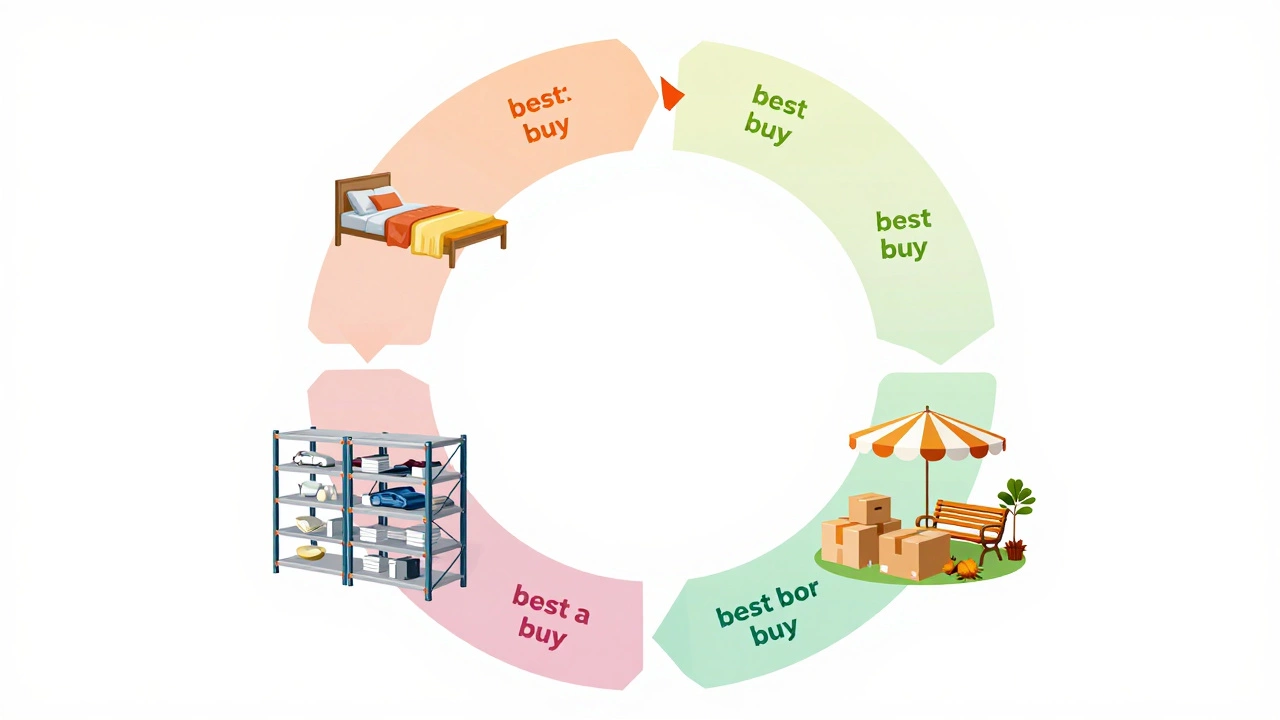
To help you plan ahead, here’s a month-by-month breakdown of the best times to buy different types of furniture:
- January: Best for general home furnishings, dining sets, and bedroom furniture. Post-holiday clearances offer up to 50% off last year’s models.
- February: Good for mattresses (Valentine’s Day promotions) and accent chairs. Many stores run “clearance before spring” events.
- March-April: Ideal for outdoor furniture as retailers prep for summer. Look for end-of-season markdowns on patios sets and garden benches.
- May: Memorial Day kicks off the biggest outdoor furniture sales of the year. Also a solid time for sectionals and entertainment centers.
- June: Slower month for deals unless there’s a store anniversary or local festival. Focus on custom orders if available.
- July: Fourth of July brings moderate discounts, especially on patriotic-themed decor and grilling accessories paired with seating.
- August: One of the best months overall. Stores clear summer inventory and prepare for fall lines. Great for sofas, recliners, and office furniture.
- September: Labor Day marks the start of fall promotions. Perfect for buying rugs, lighting, and transitional pieces.
- October: Halloween-themed decor goes on sale, but also expect deep cuts on older upholstery styles.
- November: Black Friday and Small Business Saturday dominate. Expect aggressive pricing across all categories, though selection may be limited.
- December: Final holiday rush offers last-chance deals. Some stores extend Black Friday pricing into early December.
Note: While November has the most advertised sales, January often provides better value because inventory is fresher and less picked-over.
Top Sales Events You Should Never Miss
Certain holidays have become synonymous with furniture bargains. Here’s what to expect from each:
| Sale Event | Best For | Avg. Discount Range | Pros | Cons |
|---|---|---|---|---|
| Black Friday | All categories | 30-70% | Highest visibility, wide selection | Crowded stores, limited stock |
| Memorial Day | Outdoor & Sectionals | 25-50% | Early summer prep, good availability | Shorter duration |
| Labor Day | Fall transitions | 20-45% | End-of-summer clearance | Fewer exclusive deals |
| New Year Clearance | Dining & Bedroom | 40-60% | Fresh inventory, low competition | Limited hours, online-only sometimes |
Pro tip: Sign up for retailer newsletters right after these events. They’ll send you early access codes for next year’s sales-and sometimes surprise flash deals in between.
How to Maximize Your Savings Beyond Timing
Knowing *when* to buy is only half the battle. To truly stretch your budget, combine timing with smart shopping tactics:
- Buy floor models: Displayed items are heavily discounted (often 30-50%) since they’ve been sat on, leaned against, or walked around daily. Inspect them closely, but don’t overlook minor scuffs that won’t show once placed in your home.
- Negotiate delivery fees: Even if the item price is fixed, many stores waive shipping charges during peak sale seasons. Ask politely-it rarely hurts.
- Use price protection policies: Credit cards like Chase Sapphire Reserve or Amex Platinum offer 90-day price adjustments. If you buy something and it drops within three months, file a claim for the difference.
- Shop secondhand first: Facebook Marketplace, Craigslist, and consignment shops often list barely-used furniture at 50-80% below retail. Wait two weeks after a big sale-people upgrade and dump old pieces cheaply.
- Bundle purchases: Buying a couch + coffee table + media console together can unlock package discounts not listed individually.
Example: I bought a leather sectional in January for $1,200 during a post-holiday clearance. Two weeks later, my neighbor sold hers (used six months) for $600 on Nextdoor. Same model, same comfort level, half the cost.
Common Mistakes That Cost You Money
Even savvy shoppers fall into traps. Avoid these pitfalls:
- Waiting too long for “perfect” timing: Yes, January is great-but if you need a bed now, waiting six months isn’t practical. Balance urgency with opportunity.
- Ignoring return policies: Sale items sometimes come with final-sale tags. Always read fine print before swiping your card.
- Falling for fake urgency: “Only 3 left!” banners are marketing tricks. Check multiple sites to verify actual scarcity.
- Overlooking assembly costs: Flat-pack furniture looks cheap until you realize you need tools, help, or professional installation. Factor that in.
One reader told me she waited for Black Friday to buy a dining set, only to find her favorite style was gone. She ended up paying full price in March. Lesson learned: research options *before* the sale starts so you’re ready when deals drop.

What About Online vs. In-Store Deals?
Online retailers like Wayfair, Amazon, and Overstock frequently match or beat brick-and-mortar prices. But physical stores still hold advantages:
- You can test comfort levels (critical for sofas and mattresses).
- No hidden shipping surcharges.
- Easier returns if something arrives damaged.
Hybrid approach: Browse online for specs and reviews, then visit local dealers to feel the product. Often, independents will match web prices plus throw in free delivery.
Final Thoughts: Patience Pays Off
Furniture doesn’t expire. Unlike groceries or tech gadgets, a well-made chair or table lasts decades. There’s no rush to buy today if tomorrow could save you $500. Use this guide as a roadmap-not a rulebook. Adjust based on your timeline, budget, and taste.
Start tracking prices now. Set alerts. Join email lists. Talk to sales associates-they know upcoming promos before they’re public. With patience and strategy, you’ll walk away with beautiful pieces without breaking the bank.
Is January really the cheapest month to buy furniture?
Yes, January consistently ranks among the lowest-priced months due to post-holiday clearances and slow foot traffic. Retailers slash prices to move outdated stock before spring collections arrive. Discounts range from 30-60%, especially on dining sets, bedroom suites, and accent furniture.
When is the best time to buy a mattress?
Mattresses see major sales in May (Memorial Day), September (Labor Day), and November (Black Friday). However, February offers unexpected value thanks to Valentine’s Day promotions targeting couples upgrading bedrooms. Always compare memory foam vs. hybrid models during these windows.
Are Black Friday furniture deals worth the hype?
Partially. Black Friday offers the widest selection and deepest advertised discounts, but popular items sell out fast. Early birds get the best picks; latecomers face limited choices. Compare prices with January clearances-you might find similar savings with less stress.
Can I negotiate furniture prices outside of sales?
Absolutely. Independent boutiques and smaller chains often allow haggling, especially on floor models or slightly flawed items. Mention competing quotes, ask about unadvertised discounts, or bundle multiple pieces to trigger manager-approved reductions.
Should I buy outdoor furniture in summer or fall?
Fall is smarter. August and September bring end-of-season clearances as retailers make room for indoor fall/winter lines. Summer prices stay high due to peak demand. Wait until late August for 40-60% off patio sets, umbrellas, and lounge chairs.
Do online furniture stores have better deals than physical ones?
Not necessarily. Online platforms compete fiercely on price, but physical stores compensate with service perks like free delivery, white-glove setup, and easy returns. Hybrid shoppers win: research online, inspect in person, negotiate locally.
What’s the worst time to buy furniture?
Mid-to-late June and early October tend to be dead zones. Few major holidays drive promotions, and inventory remains stable. Unless you find a store-specific event, expect minimal discounts during these stretches.
How far in advance should I start planning a furniture purchase?
At least 2-3 months. Identify desired styles, measure spaces, set budgets, and monitor price trends. Subscribe to retailer emails, follow social media accounts, and use browser extensions like Honey or CamelCamelCamel to track historical lows.