Interior Design Color Calculator
Choose Your Colors
Room Preview
Walk into a room that feels like home, and you immediately feel better. It’s not magic; it’s design. You don’t need a huge budget or a degree in architecture to transform your space. Most people think they need to buy everything new to make a change. That is simply not true. With a few smart tweaks, you can turn a boring box into a sanctuary.
I’ve spent years helping friends and clients fix up their spaces here in Vancouver. The rain outside means we spend a lot of time indoors. If your room looks dull, you notice it every single day. Let’s fix that together. We will look at lighting, color, furniture placement, and those small details that actually matter.
Start with the Light
Lighting is the makeup of your room. Bad lighting makes even expensive furniture look cheap. Good lighting makes a simple room look luxurious. Most homes come with one big light fixture in the center of the ceiling. This creates harsh shadows and washes out colors. It’s flat and uninviting.
You want layers. Think of lighting in three levels:
- Ambient light is the general illumination for the whole room, usually from overhead fixtures or recessed lights.
- Task light is focused light for specific activities, like reading lamps next to a sofa or under-cabinet lights in a kitchen.
- Accent light is decorative light used to highlight art, plants, or architectural features.
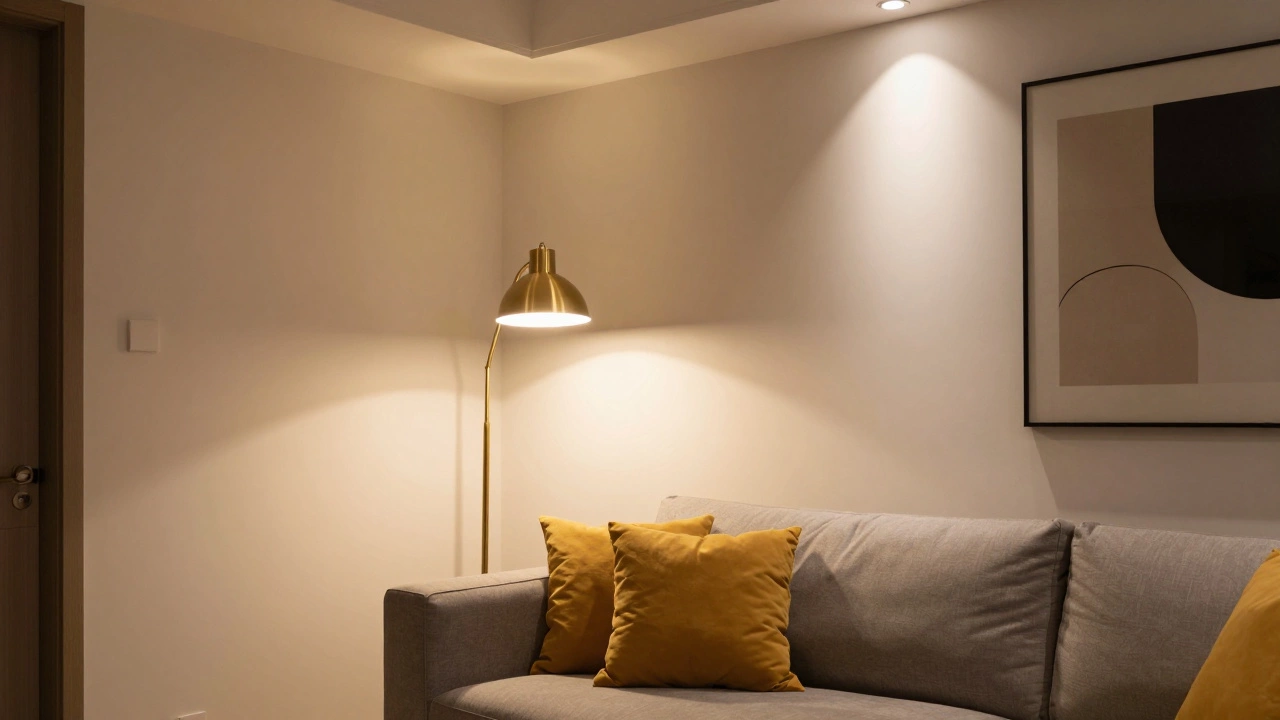
Add floor lamps in corners. Put a table lamp on a side table. Use string lights behind a headboard for a soft glow. Warm white bulbs (around 2700K) create a cozy vibe. Avoid cool blue-white bulbs unless you are in an office or bathroom where you need alertness.
Color Sets the Mood
Color changes how you feel. Dark blues and greens calm you down. Yellows and oranges energize you. Don’t be afraid of dark walls. They add depth and make a room feel intimate. Just balance them with lighter furniture and bright accents.
Use the 60-30-10 rule. It’s a classic interior design trick. Sixty percent of the room should be a dominant color. Thirty percent should be a secondary color. Ten percent should be an accent color. For example, your walls might be beige (60%). Your sofa and rug could be gray (30%). Your throw pillows and artwork are mustard yellow (10%). This keeps the room balanced without looking chaotic.
If you hate painting, use paintable wallpaper or large fabric panels. Textured walls also add interest without needing bold colors.
Furniture Placement Matters
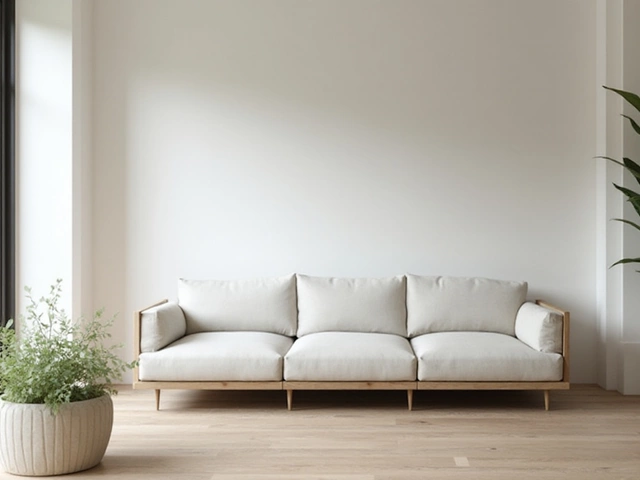
Pushing all furniture against the walls is a common mistake. It makes the room feel like a hotel lobby. Pull furniture away from the walls. Create conversation zones. Arrange sofas and chairs so people can talk easily without shouting across the room.
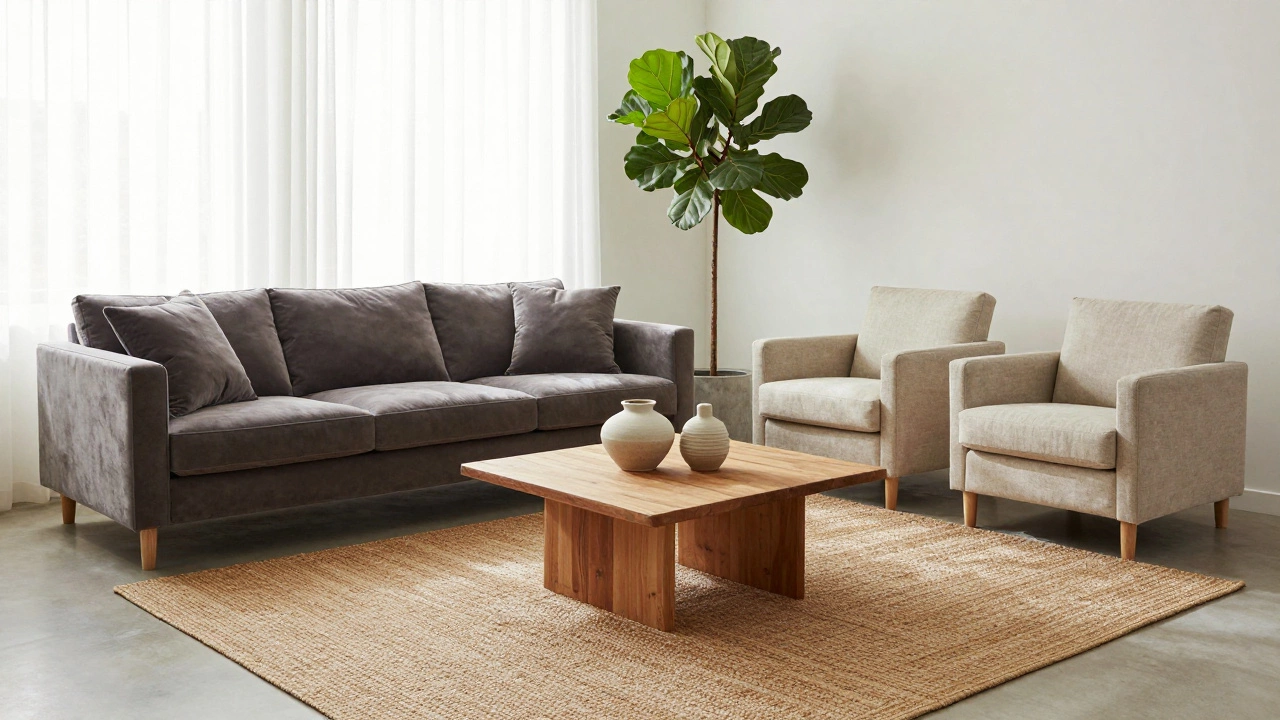
Define areas with rugs. A large rug anchors the seating area. All front legs of the sofa and chairs should sit on the rug. If the rug is too small, it looks like a floating island. Measure your space first. Buy the biggest rug your budget allows.
Mix heights. Add a tall plant in a corner. Hang art higher than eye level if the ceiling is high. Use shelves to draw the eye up. This makes the room feel bigger and more dynamic.
Textures Add Depth
A room with only smooth surfaces feels cold. Mix textures to add warmth. Pair a leather sofa with a wool throw blanket. Add a jute rug under a glass coffee table. Use velvet cushions on a linen chair. These contrasts make the room interesting to touch and look at.
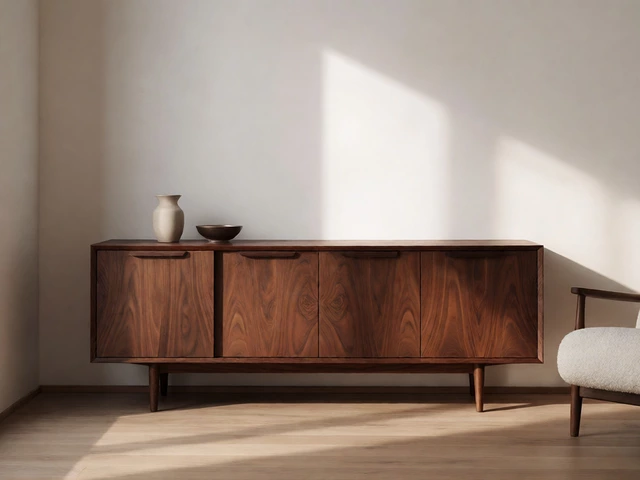
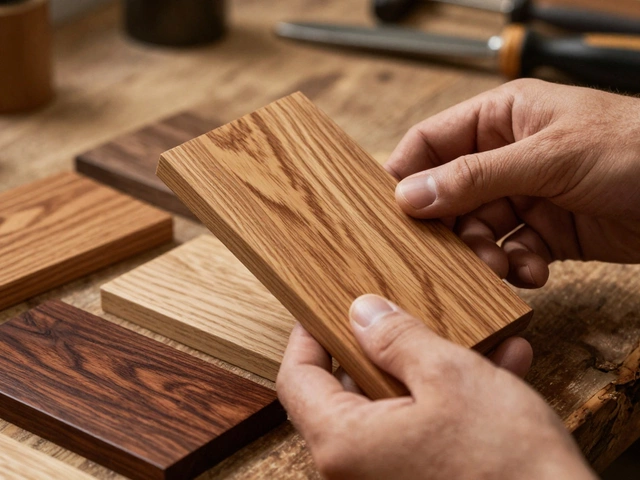
Natural materials work well. Wood, stone, cotton, and linen bring nature inside. Even in a city apartment, these elements reduce stress. Add a wooden tray on your coffee table. Place a ceramic vase on the shelf. Keep it simple but varied.
Declutter for Calm
Clutter kills good design. No amount of nice decor can hide a messy room. Start by removing things you don’t use. Hide cables. Use baskets for remotes and magazines. Clear surfaces look clean and spacious.
Display only what you love. One beautiful book. One framed photo. One plant. Less is more. When you have fewer items, each one gets attention. It feels intentional, not accidental.
Personal Touches
Your room should tell your story. Add photos from trips. Display souvenirs from places you’ve visited. Hang art that moves you, not just what’s trendy. These personal items make the space uniquely yours.
Rotate displays seasonally. Swap summer prints for winter scenes. Change pillow covers with the seasons. It keeps the room feeling fresh without buying new furniture.
| Element | Action | Impact |
|---|---|---|
| Lighting | Add 3 sources | Cozy atmosphere |
| Color | Use 60-30-10 rule | Balanced look |
| Rugs | Size for all legs | Anchors space |
| Texture | Mix 3 types | Visual interest |
| Clutter | Hide 50% of items | Clean lines |
Plants Bring Life
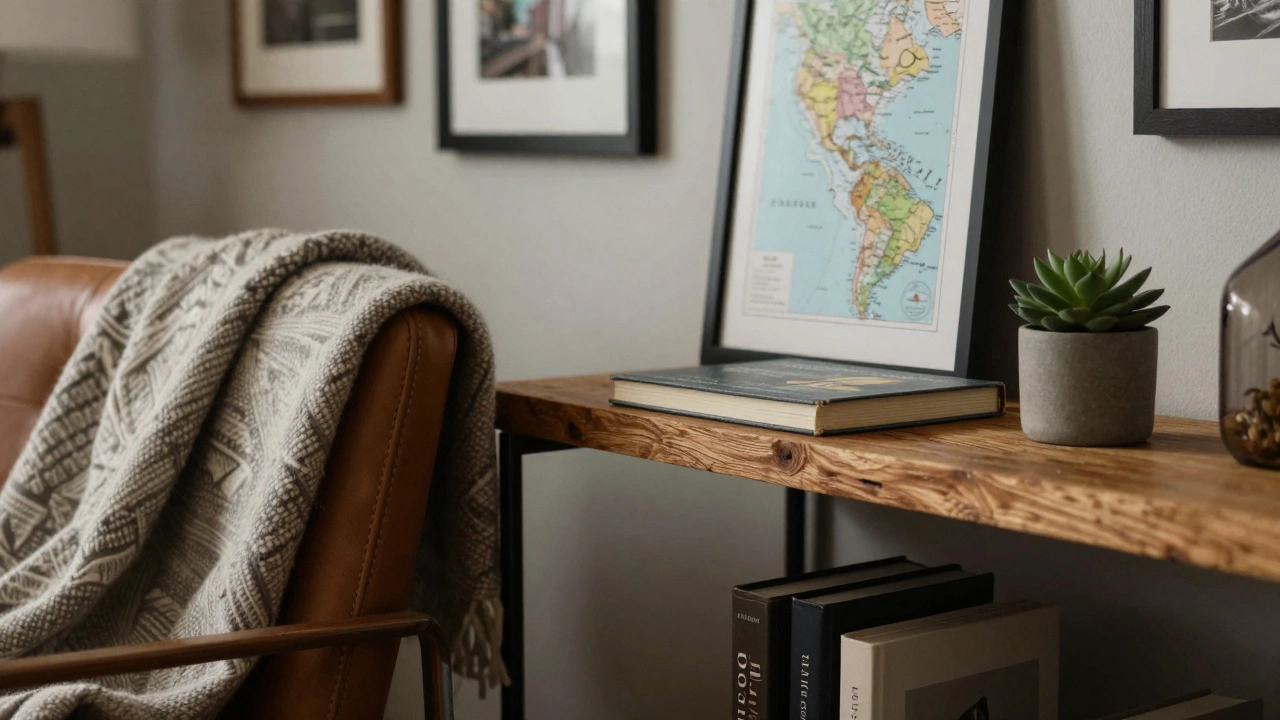
Plants are easy wins. They add color, texture, and life. Low-light plants like snake plants or pothos thrive in most rooms. Tall fiddle leaf figs make a statement. Small succulents fit on windowsills. Group plants of different sizes for a lush look.
Water wisely. Overwatering kills more plants than underwatering. Check soil moisture before watering. Use pots with drainage holes. Healthy plants boost mood and air quality.
Artwork Elevates Space
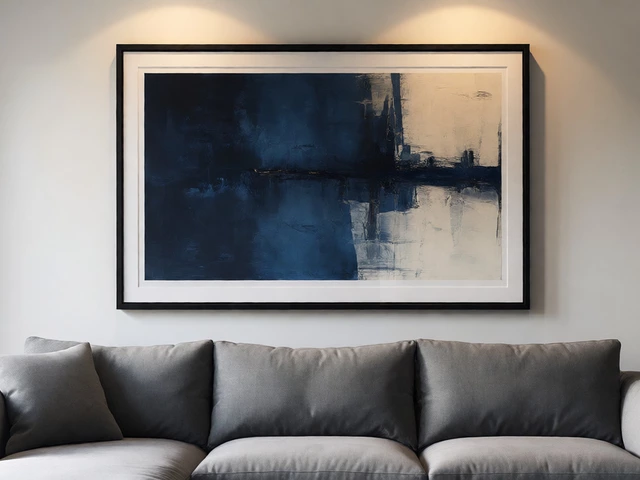
Don’t leave blank walls. Art doesn’t have to be expensive. Print posters of favorite bands. Frame maps from travel destinations. Create a gallery wall with mixed frames. Keep spacing consistent. Hang art at eye level, about 57 inches from the floor to the center of the piece.
Large statements work best. One big piece often looks better than many small ones. It draws the eye and becomes a focal point.
Maintain the Vibe
Design isn’t a one-time task. Live in your space. Notice what works. Adjust as needed. Swap accessories when bored. Keep cleaning routines simple. A maintained room stays amazing longer.
Remember, your room is for you. Follow trends only if they fit your taste. Comfort comes first. Style follows naturally when you prioritize function and personal joy.
How do I make my room look expensive on a budget?
Focus on lighting, textiles, and decluttering. Swap out old light bulbs for warm LEDs. Add plush throw blankets and decorative pillows. Remove visual clutter. These changes cost little but dramatically improve perception of value.
What is the best way to arrange furniture in a small room?
Pull furniture away from walls to create flow. Use multi-functional pieces like storage ottomans. Choose a rug that fits all seating legs. Keep pathways clear. Vertical storage frees up floor space.
Can dark colors make a small room feel smaller?
Not necessarily. Dark colors can make walls recede, creating depth. Balance with light furniture and mirrors. Ensure good lighting. Test paint samples in your actual room conditions before committing.
How many light sources should a room have?
Aim for at least three: ambient, task, and accent. This layering prevents harsh shadows and adds dimension. Combine overhead lights with floor and table lamps for flexibility.
What rug size is ideal for a living room?
The rug should be large enough for all front legs of the sofa and chairs to rest on it. Standard sizes are 8x10 or 9x12 feet. Smaller rugs make the space feel fragmented.