Wall Art: Ideas, Trends & Practical Tips
When working with wall art, decorative pieces applied directly to interior walls, ranging from paintings to murals. Also known as wall décor, it transforms a room’s mood and visual focus. Good wall art does more than fill empty space; it tells a story, reflects personality, and can even make a room feel larger. That’s why you’ll often hear designers say that wall art requires the right lighting and placement to shine.
How Wall Art Connects with Wallpaper and Textured Surfaces
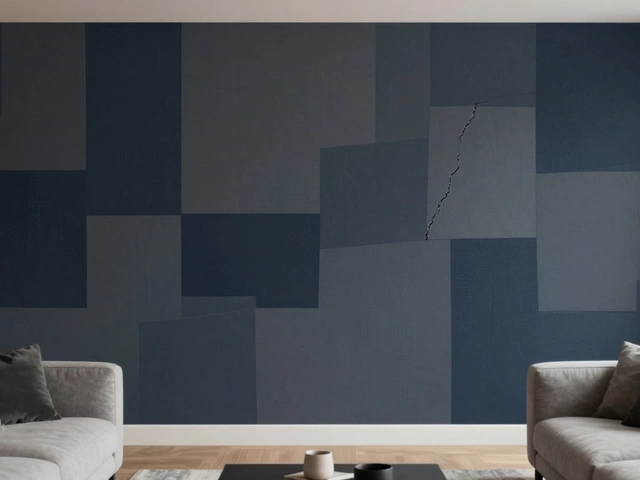
One of the most common partners for wall art is wallpaper, large‑scale patterned or solid finishes that cover entire walls. Wallpaper acts like a giant canvas, letting you layer framed pieces, decals, or even hand‑painted murals without clashing. When a bold wallpaper is the backdrop, a simple graphic print can become a statement focal point.
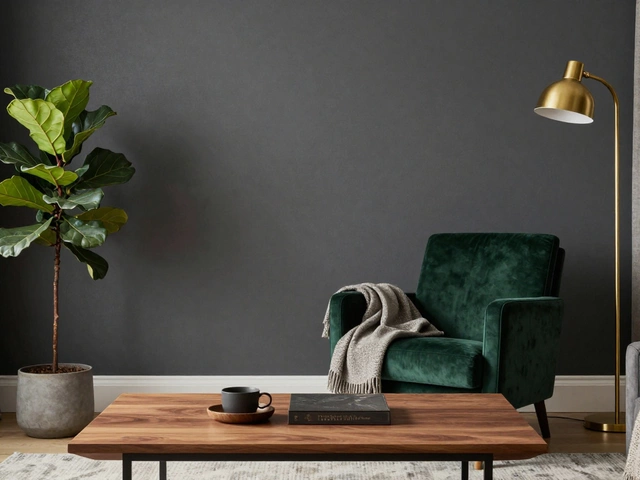
Take the trend of textured wallpaper, wall coverings with raised patterns or fabric‑like surfaces a step further. The tactile feel adds depth, so a sleek modern print placed on top gains extra visual weight. The combination of texture and art creates a three‑dimensional experience that draws the eye and invites touch.
Underlying all of this is interior design, the discipline of planning and arranging indoor spaces for function and aesthetics. Interior design influences wall art choices because color palettes, furniture scale, and room purpose dictate what style of art will work best. A minimalist living room with neutral tones typically calls for abstract line art, while a cozy cottage may favour vintage botanical prints.
Home décor trends—think scandinavian minimalism or maximalist colour bursts—also steer what’s popular on walls today. When a trend pushes pastel hues, designers often pair those shades with soft‑gradient wall art to keep the space harmonious. Conversely, a bold colour trend invites large‑scale graphic pieces that match the energy of the palette.
Practical considerations matter too. Before you hang anything, assess the wall’s condition. A smooth plaster surface works best for delicate frames, while rough brick may need a smooth panel before art can be attached. Also, think about the room’s lighting: natural daylight highlights texture, whereas warm LED fixtures enhance earthy tones.
Budget-friendly options abound. You can create DIY wall art using reclaimed wood, fabric panels, or even up‑cycled pallets. Pair these with a subtle wallpaper to keep costs low while still achieving a curated look. If you prefer ready‑made pieces, many online retailers offer printable canvas files that you can size to fit any wall, perfect for renters who can’t nail heavy frames.
Maintenance is another piece of the puzzle. Dust can dull the vibrancy of prints, especially on textured backgrounds. A gentle microfiber cloth or a low‑setting vacuum brush will keep both art and wallpaper looking fresh. For high‑traffic areas like hallways, consider protective glass or acrylic covers that guard against smudges.
When it comes to placement, the rule of thirds still holds. Position the center of a large artwork about one‑third down from the ceiling to create a comfortable viewing height. In rooms with multiple pieces, maintain a consistent spacing—usually 2‑3 inches—to unify the gallery wall.
Seasonal updates are easy. Swap out a set of framed prints each spring to reflect blooming colours, then replace them with richer tones in autumn. This keeps the space feeling current without a full redesign.
Finally, think about the story you want your walls to tell. Whether it’s a travel map marking adventures, a family photo collage, or an abstract piece that sparks conversation, the right wall art anchors the room’s narrative.
Below you’ll find a hand‑picked collection of guides that dig deeper into specific wall‑related topics—from modernizing old furniture that can double as wall art, to mastering wallpaper trends and tackling storage challenges. Explore the articles to get step‑by‑step advice, trend forecasts, and practical hacks that will help you make the most of your walls.
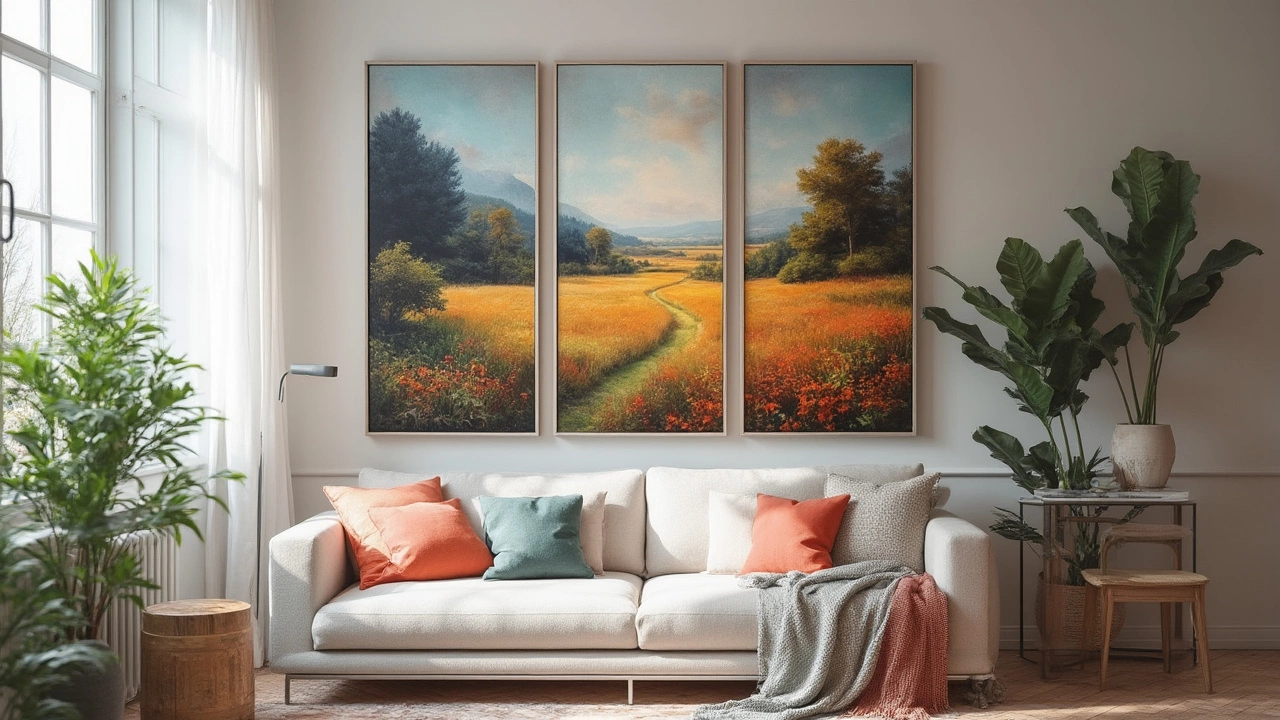
Polyptych Art: Exploring Multi-Panel Paintings for Modern Home Decor
Get to know what a polyptych is, why multi-panel art stands out in home decor, and how to use these distinctive pieces to transform your living space.
full article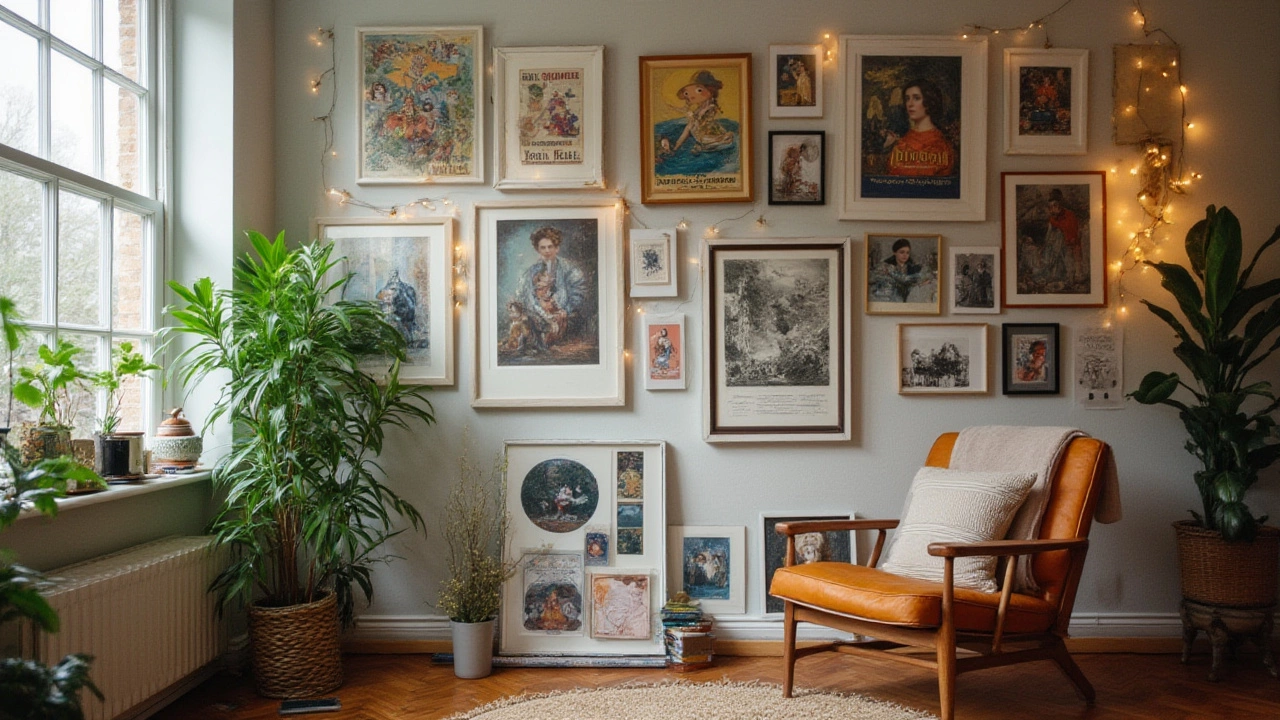
Creative Ways to Transform a Plain Wall: Inspiring Decor Ideas for Every Home
Bored of staring at a blank wall? Here are smart, creative, and practical ideas to turn any plain wall into a fresh, eye-catching space you’ll love.
full article
Where Can I Get Free Painting Images? Best Places for Stunning Wall Art
Trying to find free painting images for your wall art project? This guide explains exactly where to get them legally without any headaches. You'll discover well-known sources, hidden gems, and helpful tips to make sure your choices look great and avoid copyright trouble. Get advice on printing, choosing sizes, and even finding high-res classic art for free. Save money while making your walls pop—no complicated steps, just smart solutions.
full article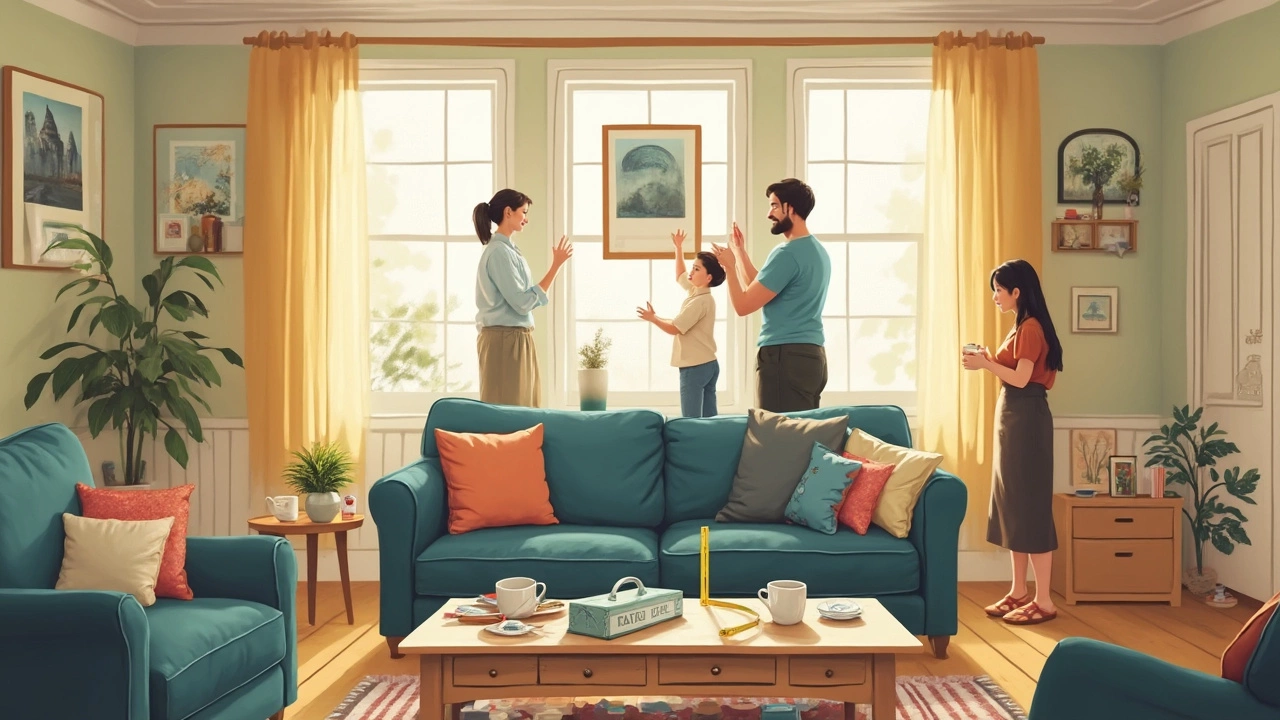
Wall Art Rule: How to Hang Art Like a Pro
Ever wondered if there's a rule for hanging wall art? This article breaks down simple, practical guidelines to get your wall art looking just right. We'll cover where to place your art, ideal spacing, finding the right size, and a few pro tips you won't get from a big box store. If you're tired of guessing or endlessly adjusting frames, this guide will make things easy. Even if the kids constantly rearrange things, you'll know exactly how to fix it fast.
full article
Is Wall Graffiti Illegal? Know the Rules Before You Paint
Curious if wall graffiti is illegal? This article breaks down what makes graffiti a crime or a legal art form. Learn about the laws, exceptions, and the real risks of getting caught. Get practical tips if you want to create street art without ending up in trouble. Discover how some cities actually support graffiti—and how you can find legal ways to paint.
full article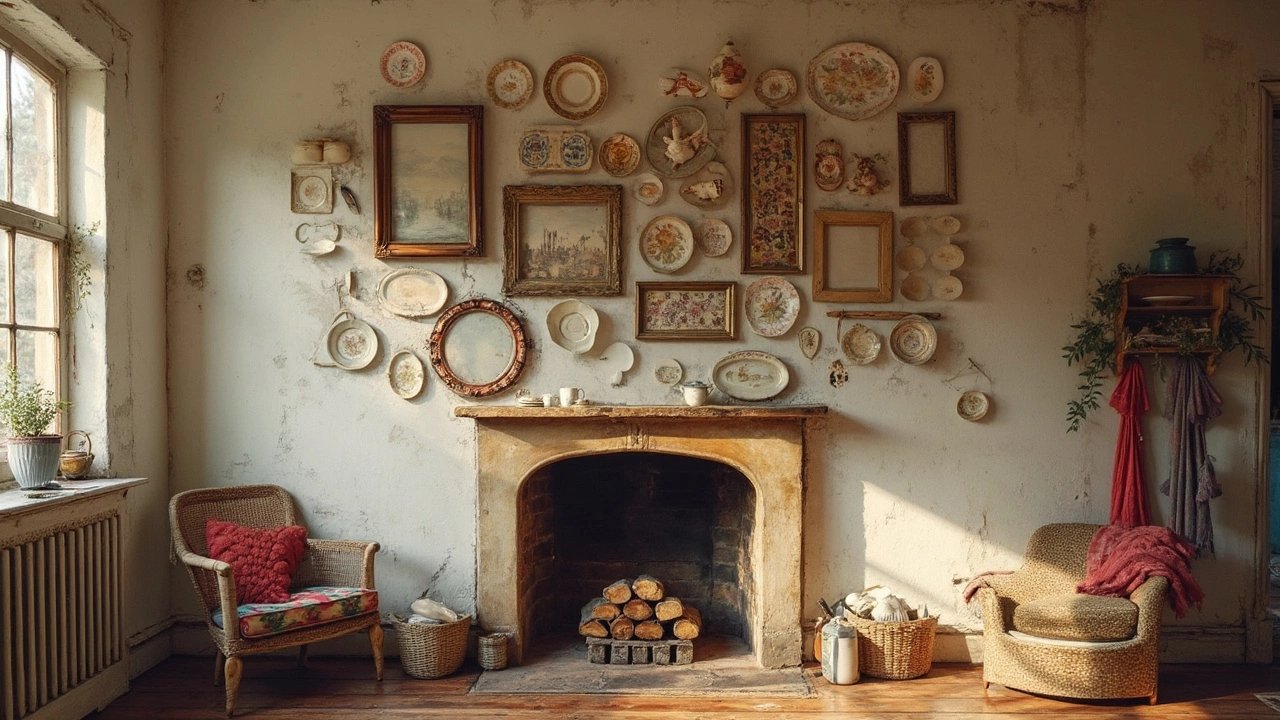
Affordable Wall Art: Creative Ways to Jazz Up Your Space
Decorating a wall doesn't have to break the bank. There are numerous creative and inexpensive ways to transform a bare wall into an eye-catching feature in your home. From utilizing everyday items to smart shopping, you can achieve an impressive look on a budget. Discover tips and tricks to add personality and style without spending a fortune.
full article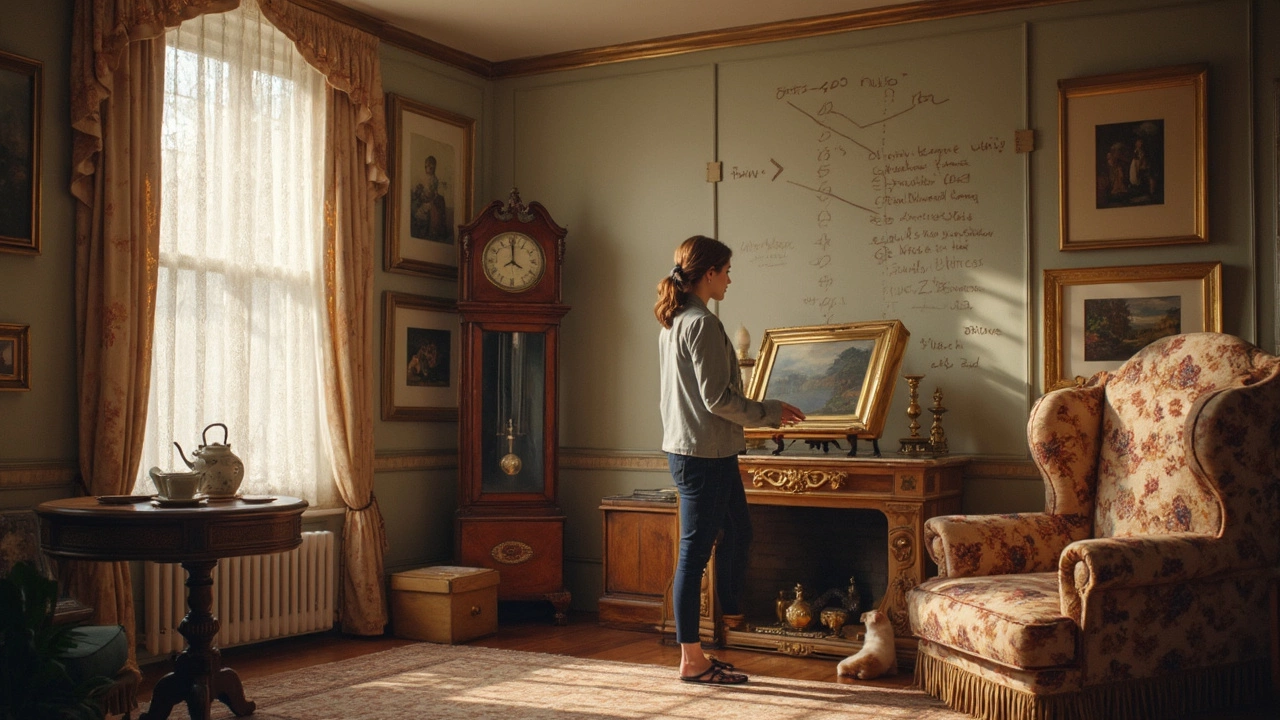
Understanding the 60 40 Rule in Interior Design for Wall Art
The 60 40 rule is a game-changer for enhancing your interior design with wall art. With a focus on balance and aesthetics, this rule guides you to use art pieces effectively within a space. Learn how this rule can help you avoid overwhelming your walls while maintaining a stylish look. Whether you're an art enthusiast or a design newbie, these insights will help you create harmonious and inviting environments. Discover practical tips to apply this concept in your home.
full article