It’s March 2026, and you’ve been watching your favorite furniture store’s website for months. You’re ready to buy a new sofa, but you keep thinking: furniture prices are going down, right? Everyone’s saying it. Inflation’s cooling. Supply chains are back to normal. Maybe now’s the time to wait. But is that true?
What’s really happening with furniture prices?
Furniture prices aren’t falling across the board. In fact, most major categories have stabilized - not dropped. After the wild swings of 2021 to 2023, when shipping delays and material shortages pushed prices up 20-30%, we’re now seeing a quiet return to normal. That doesn’t mean cheap. It means predictable.
According to data from the Canadian Furniture Retailers Association, average prices for living room sets, bedroom sets, and dining tables are down just 1-3% since late 2024. That’s barely a blip. Meanwhile, upholstered pieces like sectionals and recliners are still running 5-8% higher than pre-pandemic levels. Why? Because foam, fabric, and labor costs haven’t fully reset. And demand? Still strong.
Why some furniture is cheaper - and why most isn’t
You’ve probably seen ads for “50% off” living room sets. Sounds amazing. But here’s what’s really going on:
- These are older models - 2023 designs being cleared out to make room for 2026 inventory.
- They’re often made with lower-grade materials - thinner wood, synthetic fabrics, or less durable springs.
- Many are from overstocked retailers who had too much inventory during the pandemic and are now trying to move it fast.
That doesn’t mean you shouldn’t buy them. If you’re okay with a slightly dated style and don’t need the longest-lasting frame, you can save $300-$600. But if you want something built to last 10+ years, you’re still paying close to what you would’ve paid in 2022.
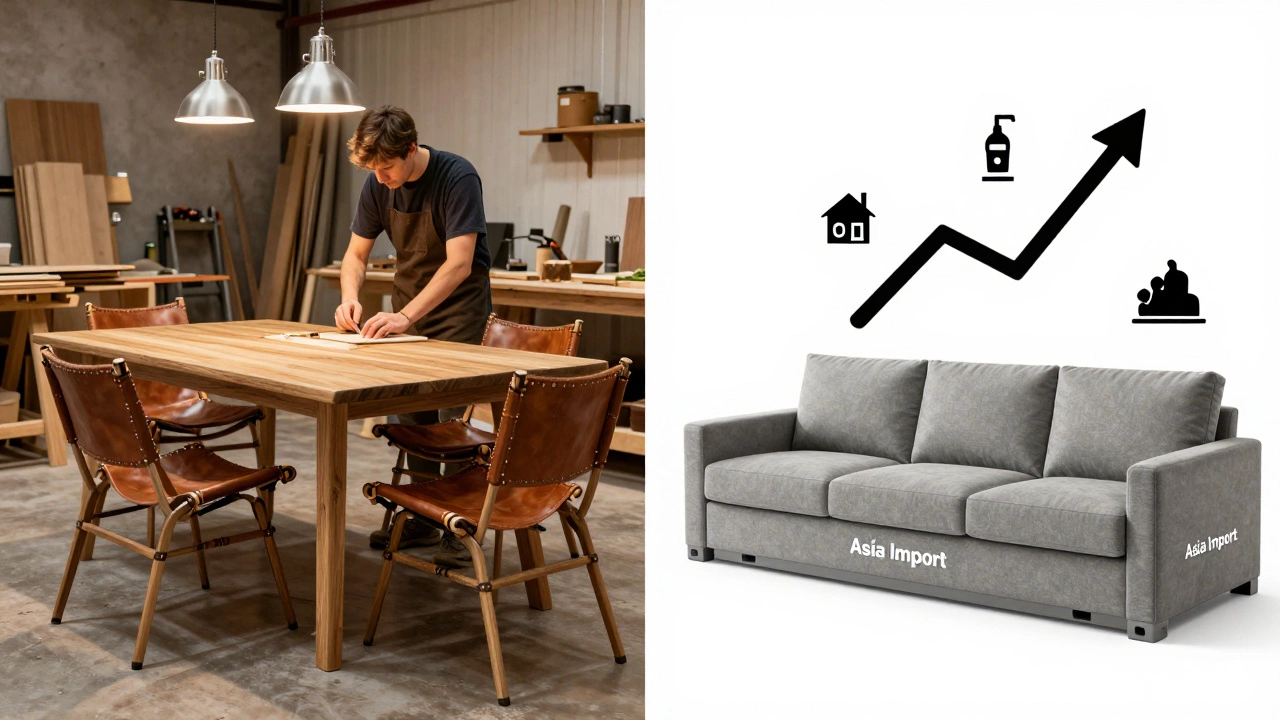
On the flip side, custom-made furniture - think solid wood dining tables, hand-stitched leather sofas, or artisanal bedroom sets - has barely budged. Craftsmanship costs more to produce, and skilled labor is still in short supply. That means prices for high-quality, made-to-order pieces are steady or even creeping up.
When furniture sales actually happen
If you’re waiting for a price drop, you’re probably waiting for a sale. And those do exist - but not when you think.
Here’s the real timeline for furniture discounts in 2026:
- January - Post-holiday clearance. Stores unload last year’s holiday-themed sets (think red velvet sofas). Good for basic items.
- March-April - Spring refresh. Retailers clear out winter inventory. This is when you’ll find the best deals on outdoor furniture and light-colored fabrics.
- July - Summer sales. Big push on patio sets and kids’ furniture. Not great for indoor pieces.
- November - Black Friday and Cyber Monday. The biggest discounts of the year - but only on select models. You’ll need to act fast.
Right now, in early March 2026, you’re in the sweet spot. Stores are clearing winter stock to make room for spring lines. That means discounts on last year’s indoor furniture - especially sofas, chairs, and accent tables. But don’t expect deep cuts on premium brands or custom builds.
What’s driving the market in 2026
Three things are keeping furniture prices from collapsing:
- Shipping costs - While not as bad as 2022, ocean freight from Asia is still 15% higher than pre-pandemic. That’s baked into every imported piece.
- Material costs - Solid wood, especially oak and walnut, is still expensive. Lumber prices in British Columbia are up 12% since last year due to tighter forestry regulations.
- Labor shortages - Canadian furniture factories are still short 18% of their pre-pandemic workforce. That means slower production, higher wages, and less discounting.
Domestic manufacturers - like those in Ontario and Quebec - are doing better. They’re using local wood and labor, so their prices are more stable. But they can’t meet demand. That’s why you’ll see longer lead times on Canadian-made furniture - 8-12 weeks instead of 4-6.
How to spot a real deal
Not all “sales” are created equal. Here’s how to tell if a discount is worth it:
- Check the original price - Look at the product page from 3-6 months ago. If the “sale” price is only 10% off, it’s not a steal.
- Look for material specs - A sofa labeled “polyester blend” isn’t the same as “top-grain leather.” Same goes for wood: “engineered wood” is cheaper than “solid oak.”
- Ask about warranty - If a store offers a 1-year warranty on a $1,500 sofa, that’s a red flag. Premium brands offer 5-10 years.
- Compare online vs. in-store - Sometimes the same model is $100 cheaper in-store because the online markup includes shipping and handling.
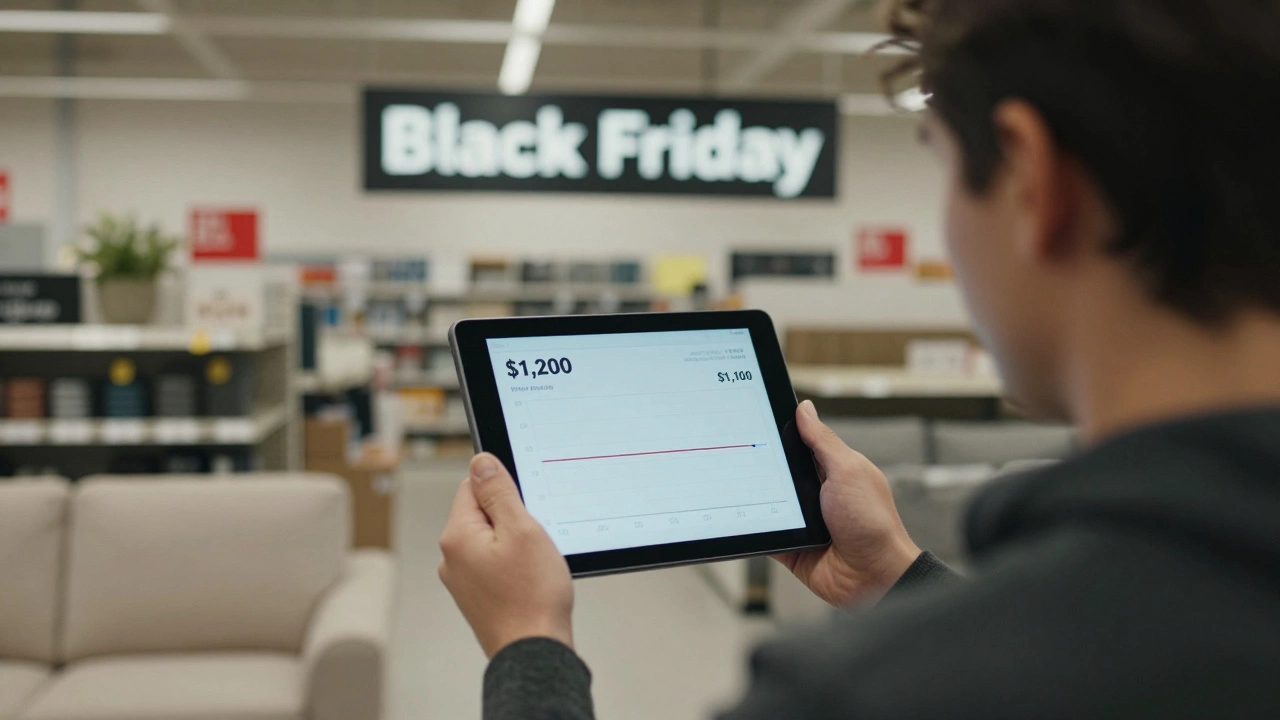
Pro tip: Use price-tracking tools like CamelCamelCamel (for Amazon) or Honey. They’ll show you how prices have changed over time. If a sofa has been at $1,200 for six months, and now it’s $1,100 - that’s not a drop. That’s a minor adjustment.
Should you wait?
If you need a new sofa, bed, or dining set - and you’ve been waiting for prices to drop - here’s the truth: you’ve probably already waited too long.
Furniture isn’t like electronics. It doesn’t get cheaper every six months. It doesn’t have a new model every year. A sofa from 2023 is still a sofa from 2026. The only thing that changes is the color palette and minor design tweaks.
Waiting for a 20% drop is a myth. You’re not going to find it. What you can find is a 10-15% discount during the right season - if you know where to look.
Right now, in March 2026, your best move is to shop smart:
- Focus on clearance sections - especially for last year’s styles.
- Consider buying in a bundle - many stores offer 10-20% off when you buy a sofa + chair + coffee table together.
- Shop local Canadian brands - they’re more likely to have stable pricing and better warranties.
- Don’t chase “going out of business” sales - those are rare, and often scams.
What’s next for furniture prices
Looking ahead to late 2026 and into 2027, we’re not expecting any major drops. Inflation is under control, but so is consumer spending. People are still furnishing homes - just more carefully.
Expect:
- More emphasis on durability and sustainability - which means higher prices for eco-friendly materials.
- More direct-to-consumer brands - cutting out retailers means slightly lower prices, but longer wait times.
- More customization - and with it, higher price tags for unique designs.
If you’re looking to save, your best bet isn’t waiting for prices to fall. It’s buying smarter - timing your purchase, knowing what to look for, and understanding what you’re really paying for.
Are furniture prices going down in 2026?
Furniture prices aren’t falling significantly in 2026. Most items have stabilized after pandemic-era spikes. You’ll find small discounts (1-5%) on older models, but premium and custom pieces remain at or above pre-pandemic prices. Don’t expect a major drop.
When is the best time to buy furniture?
The best times are March-April (spring clearance), July (outdoor furniture), and November (Black Friday). March is especially good right now - stores are clearing last year’s inventory to make room for spring lines. Avoid January unless you want holiday-themed pieces.
Why is furniture still expensive?
Three reasons: shipping costs from Asia are still 15% higher than before 2020, solid wood and foam materials are pricier due to supply limits, and Canadian furniture factories are still short on skilled labor. These factors keep production costs high.
Should I wait for a bigger sale?
No - unless you’re okay with a dated style. Furniture doesn’t depreciate like electronics. A sofa from 2023 is functionally the same as one from 2026. Waiting for a 20% discount is unrealistic. Your best bet is buying during seasonal sales with smart research.
Are online deals better than in-store?
Sometimes. Online prices often include shipping and handling fees, while in-store prices may be lower for the same item. Always compare the final delivered price. Also, in-store sales often have exclusive bundles - like a sofa + chair + ottoman for 15% off - that you can’t get online.