Living Room Curtain Calculator 2026
Walk into a living room in 2026, and the first thing you’ll notice isn’t the sofa or the TV. It’s the windows. Curtains have stopped being just functional window coverings and have become the anchor of interior design. If you’ve been holding off on updating your home because you’re unsure what looks good right now, you’re not alone. The landscape of living room curtains has shifted dramatically from the minimalist, bare-window look of the early 2020s to something richer, warmer, and more intentional.
We are moving away from the cold, sterile aesthetic that dominated for years. Instead, homeowners and designers are embracing texture, depth, and personality. Whether you want to make a small space feel larger, add privacy without blocking light, or simply inject some color into a neutral room, the current trends offer a solution for every style. Let’s break down exactly what is working in homes today and how you can apply these ideas to your own space.
The Return of Natural Textures and Linen
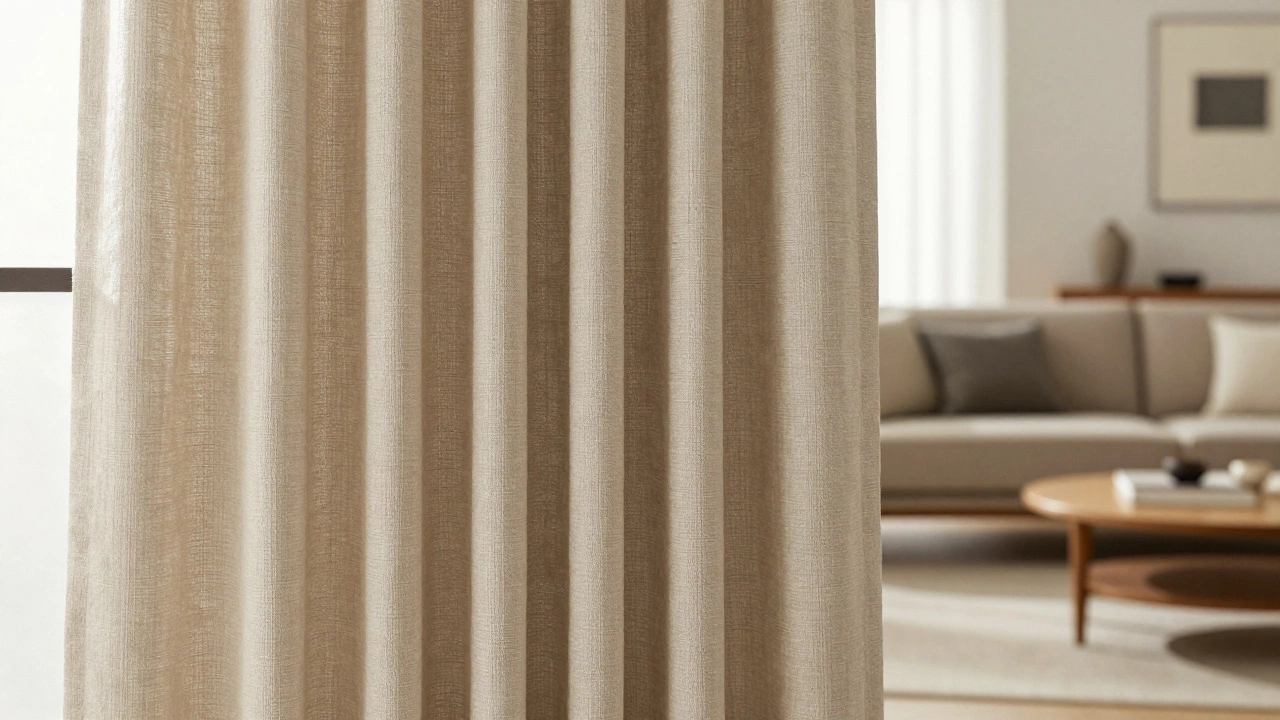
If there is one dominant theme in 2026, it is authenticity. People are tired of synthetic-looking fabrics that reflect light harshly or feel cheap to the touch. The biggest trend is the resurgence of natural fibers, specifically linen and cotton blends. These materials bring a tactile quality to the room that smooth polyester simply cannot match.
Linen curtains do two things perfectly: they diffuse natural light softly and they age beautifully. Unlike crisp white blinds that show every dust particle, linen develops a soft patina over time. For a living room, this means a relaxed, effortless vibe. You don’t need to iron them to perfection; in fact, a slight wrinkle adds to the charm. This style pairs exceptionally well with mid-century modern furniture or Scandinavian-inspired decor. If your goal is to create a calm, breathable atmosphere, choose a light beige or oatmeal-colored linen. It warms up the room without making it feel heavy.
However, keep in mind that pure linen wrinkles easily. If you live in a high-traffic area or have kids and pets, look for a linen-cotton blend. It retains the visual appeal of natural fiber but offers better durability and easier maintenance. This balance is crucial for a family-friendly living room where aesthetics must meet practicality.
Floor-to-Ceiling Height Illusions
How you hang your curtains matters just as much as the fabric itself. The rule of thumb for 2026 is simple: go high and go wide. Many people still make the mistake of hanging their curtain rod directly above the window frame. This cuts the ceiling line visually and makes the room feel smaller and lower.
To maximize the sense of space, install your curtain rod 4 to 6 inches below the ceiling or the top of the wall molding. Then, let the curtains pool slightly on the floor-about 1 to 2 inches of fabric resting on the ground. This technique, known as "puddling," was once considered outdated, but it has made a strong comeback in luxury interiors. It signals relaxation and elegance. Even if you prefer a cleaner look, ensure the hem touches the floor precisely. Avoid the "floating" look where curtains stop several inches above the ground; it creates an awkward visual gap that draws attention to the window rather than the view.
Width is equally important. Your curtains should be able to stack fully open so that they don’t block any natural light. A good rule of thumb is to use panels that are at least double the width of the window. When drawn back, they should gather against the wall, not overlap the glass. This maximizes daylight during the day and ensures your living room feels airy and connected to the outdoors.
Color Strategies: Earth Tones and Bold Accents
Gone are the days when white or cream were the only safe choices for living room drapes. While neutrals remain popular, the definition of "neutral" has expanded. We are seeing a surge in earthy tones: olive green, terracotta, deep charcoal, and warm browns. These colors ground the room and provide a sophisticated backdrop for artwork and furniture.
For those who want to make a statement, bold accent colors are trending heavily. Think rich navy blues, emerald greens, or even mustard yellows. Using color in your curtains is a low-commitment way to test out a new palette. If you love the idea of a dark, moody living room but aren’t ready to paint the walls, start with the window treatments. Darker fabrics also offer better light control, which is ideal for media rooms or spaces with large south-facing windows that get too bright in the afternoon.
Don’t be afraid to mix patterns either. Stripes are having a moment, particularly vertical stripes that elongate the eye. However, pair patterned curtains with solid-colored cushions and rugs to avoid visual clutter. The key is balance. If your curtains are loud, keep the rest of the window treatment simple. No valances, no complicated tie-backs. Just clean lines and impactful fabric.
Layering for Function and Style
A single layer of sheer curtains might look pretty, but it doesn’t offer privacy or insulation. On the other hand, thick blackout drapes can make a room feel cave-like during the day. The solution? Layering. Combining sheer under-curtains with heavier outer drapes gives you total control over your environment.
Sheer curtains act as a filter. They allow daylight to enter while obscuring the view from the outside. This is perfect for street-facing living rooms where you want light but not prying eyes. During the day, you can leave the sheers closed and the heavy drapes open. At night, close both for privacy and thermal efficiency. This dual-layer approach is not just stylish; it’s energy-efficient. Heavy fabrics trap heat in the winter and block solar gain in the summer, reducing your reliance on HVAC systems.
When layering, coordinate the hardware. Use a double-rod system so both sets of curtains can move independently. Ensure the rods are sturdy enough to hold the weight of two layers. Cheap plastic rods will sag over time, ruining the sleek look you’re trying to achieve. Invest in metal rods with proper finials that complement your room’s hardware, such as door handles and light fixtures.
Sustainable and Smart Choices
In 2026, sustainability is no longer a niche concern; it’s a standard expectation. Homeowners are asking where their textiles come from. Look for curtains made from organic cotton, hemp, or recycled materials. Brands that are transparent about their supply chains are gaining trust. Choosing sustainable fabrics often means choosing natural dyes, which result in softer, less toxic colors compared to chemical-heavy alternatives.
Technology is also playing a role. Motorized curtains are becoming more affordable and easier to install. Imagine waking up and having your curtains automatically open to greet the morning sun, or closing them as the sun sets to maintain temperature stability. For living rooms with high ceilings or hard-to-reach windows, motorization is a game-changer. It adds a layer of convenience and modern sophistication. Pair smart curtains with your existing home automation system, and you can set schedules based on your daily routine.
| Style | Best For | Pros | Cons |
|---|---|---|---|
| Linen Blends | Relaxed, airy spaces | Natural texture, diffuses light, ages well | Wrinkles easily, may require lining for privacy |
| Floor-to-Ceiling Drapes | Small rooms, low ceilings | Creates height illusion, elegant look | Requires precise installation, more fabric cost |
| Layered Sheers & Blackouts | Media rooms, street-facing windows | Flexible light control, energy efficient | Needs double rod, higher initial investment |
| Bold Patterned Fabrics | Neutral rooms needing pop | Adds character, hides stains better | Can overwhelm small spaces if not balanced |
Common Mistakes to Avoid
Even with the best fabric, poor execution can ruin the look. One common error is using narrow panels. Thin, skimpy curtains look dated and cheap. Always opt for wider panels that create fullness when closed. Another mistake is ignoring the scale of the room. Massive, heavy velvet drapes might look stunning in a grand foyer but will overwhelm a cozy apartment living room. Match the weight of the fabric to the size of the space.
Also, don’t neglect the hardware. The curtain rod is the frame for your canvas. A flimsy rod will make expensive curtains look tacked-on. Choose rods that are proportional to the window size. For wide windows, consider multiple brackets to prevent sagging. And finally, measure twice. Buying curtains that are too short or too narrow is frustrating and costly to fix. Measure from the top of the rod to the floor, and from bracket to bracket, to ensure a perfect fit.
What is the most popular curtain color for living rooms in 2026?
While personal preference varies, earthy neutrals like oatmeal, warm beige, and soft greige are leading the pack. These colors provide a calming backdrop that works with almost any furniture style. For those seeking contrast, deep olive green and terracotta are also highly popular accent choices.
Should I hang my curtains above the window or on the ceiling?
For the best visual impact, hang your curtains as high as possible. Ideally, place the rod 4-6 inches below the ceiling or the top of the wall molding. This draws the eye upward, making the ceiling appear higher and the room more spacious. Hanging them directly above the window frame cuts the vertical line and can make the room feel shorter.
Are sheer curtains still in style?
Yes, sheer curtains are very much in style, especially when used as part of a layered look. They provide privacy while allowing natural light to filter through. In 2026, they are rarely used alone unless the room is private and far from the street. Pairing them with heavier drapes offers versatility for different times of day.
How long should living room curtains be?
The trend favors floor-length curtains. They should either touch the floor precisely (the "break" method) or pool slightly by 1-2 inches (the "puddle" method). Avoid curtains that float several inches above the floor, as this can look unfinished and shorten the appearance of your walls.
What fabric is best for a high-traffic living room?
For high-traffic areas, durable fabrics like cotton blends, performance linens, or microfiber are ideal. Pure silk or delicate lace may look beautiful but won’t withstand daily wear and tear. Look for fabrics with a tight weave, which resists dirt and abrasion better. Darker colors or patterns can also help hide stains and wear over time.