Interior Design Pricing Estimator
Project Fee Calculator
Estimate your project value based on the 'Flat Fee per Room' strategy.
Quick Start Guide for New Designers
- Build a "Beta" Portfolio: Design your own home or offer free work to friends to get photos.
- Pick a Niche: Focus on a specific style (like Mid-Century Modern) or a specific room (like home offices).
- Set Up Legal Basics: Register your business and get professional liability insurance.
- Define Your Pricing: Decide between hourly rates, flat fees, or "design packages."
- Market via Visuals: Use Instagram and Pinterest to showcase your mood boards and finished spaces.
Turning Your Eye for Design into a Business
The biggest hurdle for beginners is the "experience gap." Clients want to know you can handle a project without ruining their living room or blowing their budget. Since you don't have a degree, you have to prove your competence through evidence. Interior Design is the art and science of enhancing the interior of a building to achieve a healthier and more aesthetically pleasing environment. It isn't just about picking pillows; it's about spatial planning, lighting, and material selection.
To bridge the gap, start with "micro-projects." Instead of trying to land a full-house renovation, offer a "Room Refresh" package. This might include a mood board, a shopping list, and a few hours of on-site styling. It lowers the risk for the client and allows you to build a portfolio of successful small wins. When you move from a small project to a larger one, you're not guessing-you're scaling a proven process.
Building a Portfolio When You Have No Clients
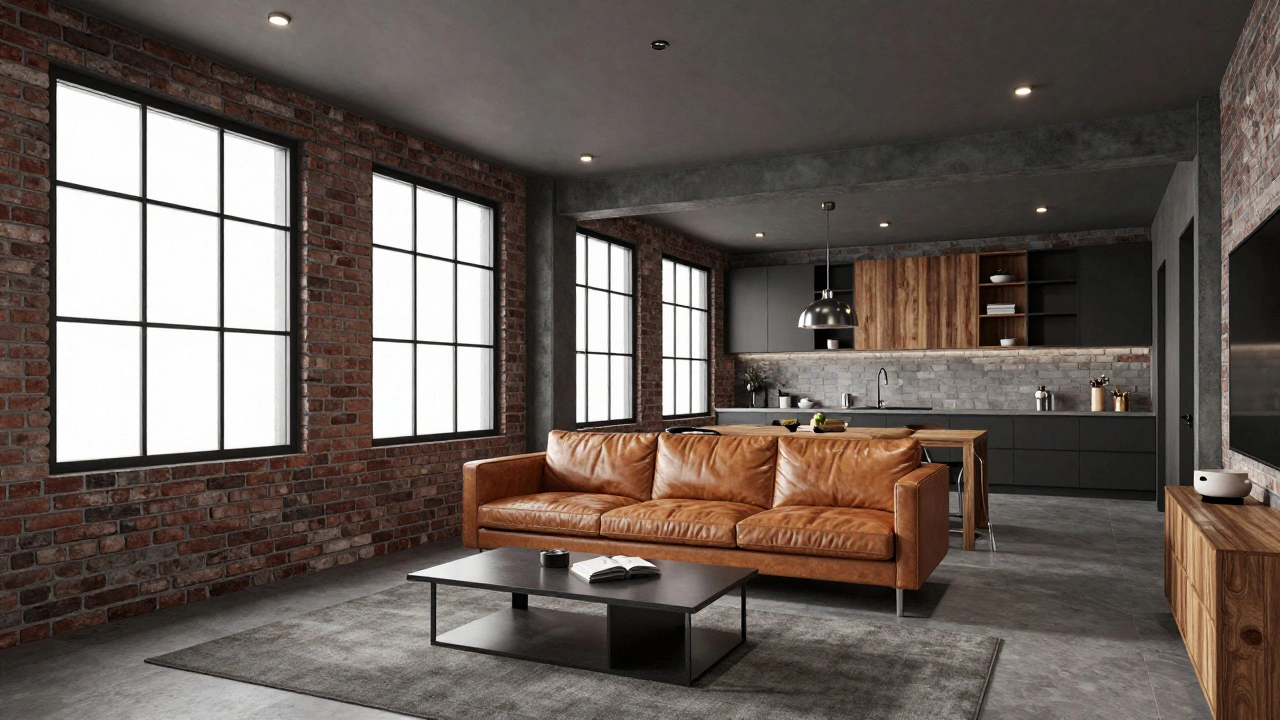
You can't get hired without a portfolio, but you can't get a portfolio without being hired. This is the classic freelancer's paradox. The solution is to create "conceptual projects." If you don't have a client, invent one. Create a detailed brief: "A 3-bedroom apartment in a city center for a young couple who loves industrial style and has a $10,000 budget." Then, execute the entire design on paper or in software.
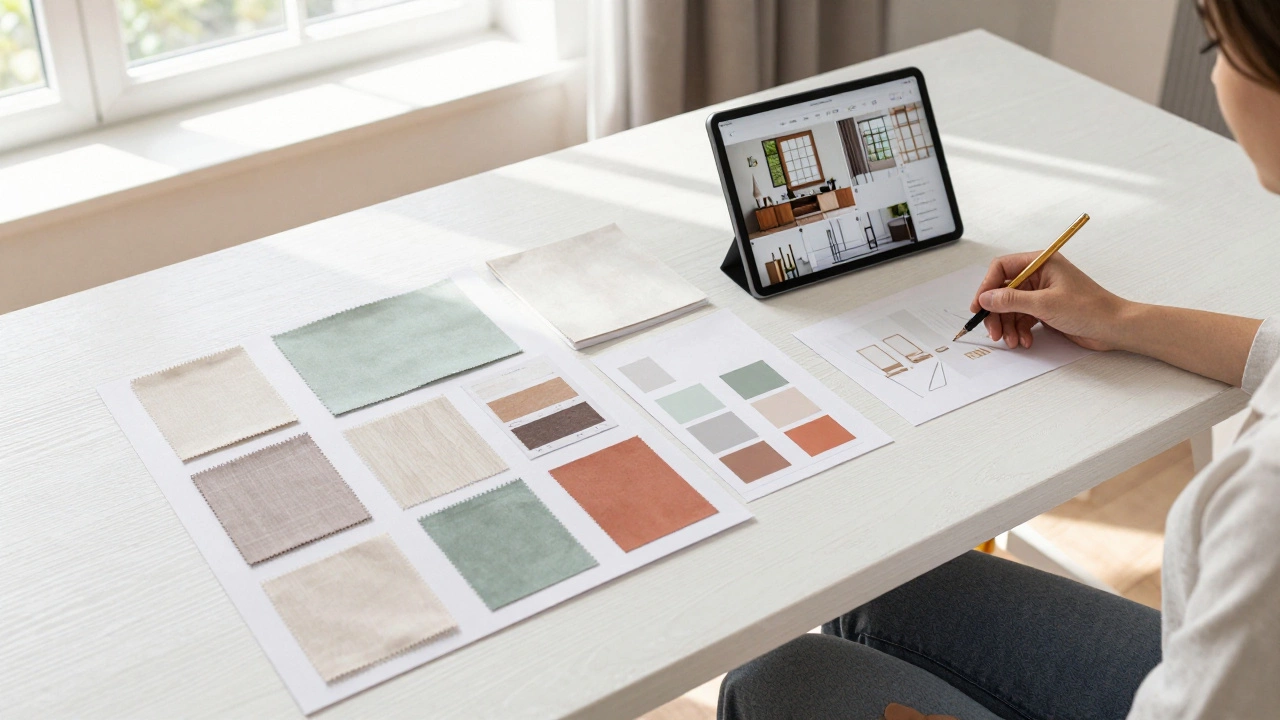
Use SketchUp is a 3D modeling program used for a wide variety of drawing applications or Canva is a graphic design platform used to create social media graphics and mood boards to create professional-looking presentations. A high-quality 3D render or a meticulously curated mood board is often more convincing to a client than a grainy photo of a project you did for your aunt five years ago. The key is to show your start interior design business logic: why did you pick that fabric? Why is the sofa placed there? Explain the "why" behind the "what."
| Method | Cost/Effort | Pros | Cons |
|---|---|---|---|
| Self-Design | Low | Total creative control | Might not reflect client needs |
| Free Client Work | Medium | Real-world experience | Risk of "scope creep" |
| Conceptual Projects | Low | Shows specific style range | No physical proof of result |
| Home Staging | Medium | Fast turnaround | Temporary setups |
The Legal and Financial Framework
Many creative entrepreneurs ignore the boring stuff until it's too late. You cannot operate a design business on a handshake. You need a contract that clearly defines the scope of work. What happens if the client hates the furniture you picked? What if they keep asking for "one more change" for three months? Your contract should include a limit on revisions and a clear payment schedule.
Consider Professional Liability Insurance is insurance that protects designers from claims of negligence or mistakes in their professional services . If you suggest a light fixture that ends up causing a fire or a rug that trips a client, you don't want to be personally liable. In Canada and the US, this is often referred to as Errors and Omissions (E&O) insurance. It's a small monthly cost that provides immense peace of mind.
When it comes to pricing, avoid the trap of charging too little just to get work. If you charge $20 an hour, you'll attract clients who are budget-conscious and often more demanding. Instead, try a "Flat Fee per Room." This tells the client exactly what they are paying and allows you to increase your effective hourly rate as you become faster at your job.
Mastering the Technical Skills
Taste is a gift, but technical skill is a requirement. You need to understand Color Theory is a body of art and science that deals with the visual effects of color . For example, knowing that a cool-toned gray can make a room feel sterile if there isn't enough warm lighting. You also need to learn about "scale and proportion." A common beginner mistake is putting a massive sectional sofa in a tiny room, which makes the space feel claustrophobic.
Learn the basics of Home Staging is the act of preparing a home for sale by rearranging furniture and adding decorative accents . This is a fantastic way to get your foot in the door. Real estate agents are always looking for stagers to help sell homes faster. It's a high-volume, fast-paced environment that teaches you how to make a space look appealing to the widest possible audience in the shortest amount of time.
Don't ignore the "unsexy" side of design: building codes and safety standards. While you aren't a licensed architect, you should know the basic rules about clearance in a kitchen (the "work triangle") and the safe height for electrical outlets. If you consistently provide designs that are physically impossible to build, contractors will stop working with you, and your reputation will suffer.
Finding Your First Paying Clients
You don't need a massive advertising budget; you need a network. Start by announcing your business on your personal social media. Be honest: "I'm launching my design business and looking for three homes to help refresh at a discounted rate in exchange for portfolio photos." People love supporting friends, and this removes the "risk" for the client.
Another powerful strategy is partnering with local businesses. Reach out to a local boutique furniture store or a paint shop. Offer to create "curated bundles" for them-like a "Cozy Living Room Palette" featuring their specific paint colors and furniture pieces. This puts your name in front of people who are already in the buying mindset.
Focus on a niche to stand out. Instead of saying "I do interior design," say "I help remote workers create productive, ergonomic home offices." When you solve a specific problem for a specific group of people, you stop being a commodity and start being an expert. An expert can charge more than a generalist.
Scaling from a Side Hustle to a Full-Time Business
Once you have a few successful projects, it's time to systematize. Create a "Client Onboarding Document" that explains exactly how you work, when you communicate, and how you handle payments. This professionalism separates you from the hobbyists.
Start building a "Trade Account" list. Many furniture brands and textile suppliers offer discounts to professional designers. These Trade Discounts are reduced pricing offered by manufacturers to interior designers to encourage them to specify their products can be a significant source of revenue. You can either pass these savings on to the client to be more competitive or keep a portion as a sourcing fee.
Finally, invest in a Interior Design Certification is a professional credential awarded after completing a structured course of study and passing an exam . While not always legally required to call yourself a designer, certifications from recognized bodies provide a layer of legitimacy and a structured way to fill the gaps in your knowledge.
Do I need a degree to start an interior design business?
No, you do not strictly need a university degree to start a business. However, you do need a portfolio that proves your skill. Many successful designers are self-taught or have certifications. The key is to demonstrate a mastery of spatial planning, color theory, and project management through real-world examples.
How much should I charge as a beginner?
Avoid charging based on your lack of experience; charge based on the value you provide. A common beginner approach is a flat fee per room (e.g., $300 - $800) or a modest hourly rate. As you build a portfolio and save your clients money through trade discounts, you can increase your rates.
What software is best for interior design beginners?
For mood boards and presentations, Canva is excellent. For 3D modeling and floor plans, SketchUp is the industry standard for beginners due to its intuitive interface. For basic 2D layouts, Floorplanner or HomeStyler are great free or low-cost options.
What is the difference between interior design and interior decorating?
Interior design involves the structural and functional aspects of a space, including lighting, spatial planning, and sometimes building codes. Interior decorating focuses purely on the aesthetics-furniture, paint, and accessories. If you're moving walls or changing electrical layouts, you're doing design.
How do I get my first client without a portfolio?
The fastest way is to offer a "Beta" project. Find a friend or family member and offer to design a room for free or at a steep discount in exchange for professional photos and a testimonial. You can also create a "conceptual portfolio" by designing imaginary spaces based on specific briefs.