Home Storage Solution Finder
Storing things doesn't have to break the bank. Answer three quick questions to find the cheapest, most durable solution for your clutter.
Recommended Strategy:
Low CostSolution Name
Description goes here.
You’re staring at a pile of stuff you don’t know what to do with. Maybe it’s winter coats in July, maybe it’s old textbooks, or maybe it’s just the accumulated clutter of five years of living in one spot. You need space, but your wallet says "no" to renting a unit or buying expensive custom cabinetry. So, what is actually the cheapest way to store things? The answer isn't a single product; it's a strategy that prioritizes vertical space, repurposed items, and smart categorization over new purchases.
Most people think "storage" means buying a box. That’s the first mistake. If you buy a plastic bin for $15 to hold $20 worth of junk, you’ve lost money. True cheap storage leverages what you already have or uses materials so inexpensive they barely register on your bank statement. We’re talking about using cardboard, tension rods, shoe organizers, and the forgotten corners of your house. This guide breaks down the methods by cost, effort, and durability, helping you clear your floor without clearing your savings account.
The Zero-Cost Approach: Repurposing What You Have
Before you spend a dime, look around your kitchen and pantry. You likely own more storage solutions than you realize. Cardboard boxes are the classic example, but let’s be real: bare cardboard looks messy and attracts pests if not sealed properly. However, if you wrap them in leftover wrapping paper or contact paper, they become decent-looking bins for under-bed storage or closet shelves. The key here is uniformity. Mixed sizes create visual chaos. Cut the tops off identical cereal boxes to make drawer dividers for socks, underwear, or office supplies. This costs nothing and organizes small items instantly.
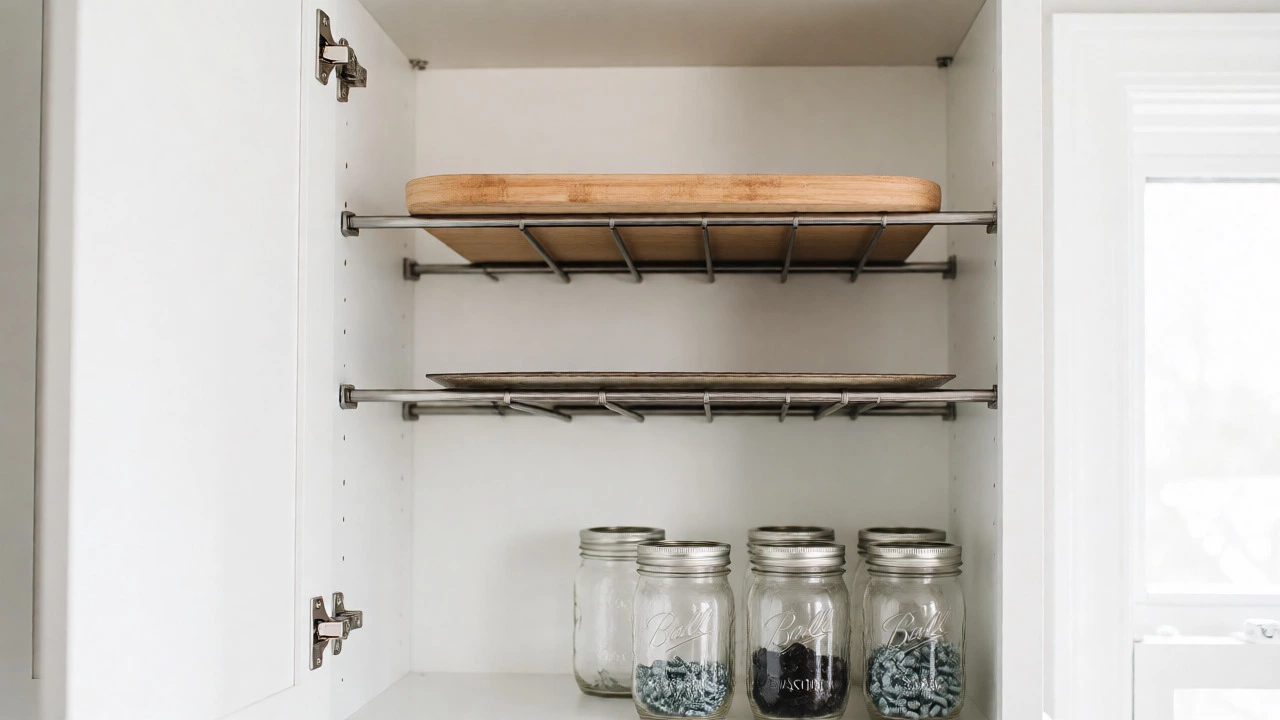
Tension rods are another hidden gem. Usually found in closets for hanging clothes, they work wonders inside cabinets. Install one vertically in a deep cabinet to hang spray bottles or cleaning supplies. Or, use two horizontally to create a shelf for cutting boards or baking sheets. In Vancouver, where humidity can be an issue, ensure these metal rods are coated or kept in dry areas to prevent rust. For clothing, shower rings on a rod can hold multiple pairs of jeans or scarves, doubling your hanging capacity without buying new hangers.
- Cereal Box Dividers: Perfect for drawers; cut to fit height.
- Mason Jars: Great for screws, nails, spices, or bathroom cotton swabs.
- Shoe Organizers: Over-the-door versions can hold craft supplies, toiletries, or accessories.
- Old Suitcases: Store seasonal bedding or out-of-season clothes in vintage suitcases under the bed.
Low-Cost DIY Materials: Plywood and Pipes
If you have basic tools (a drill and a saw), you can build storage for pennies compared to retail prices. The most versatile material is plywood. A standard 4x8 sheet costs roughly $30-$50 CAD depending on thickness and grade. From one sheet, you can cut shelves for a garage, bookcases, or even a simple desk. Pair this with wooden dowels or copper pipes for handles and supports. Copper pipes are surprisingly affordable at hardware stores like Home Depot or Rona and add an industrial aesthetic that hides their low cost.
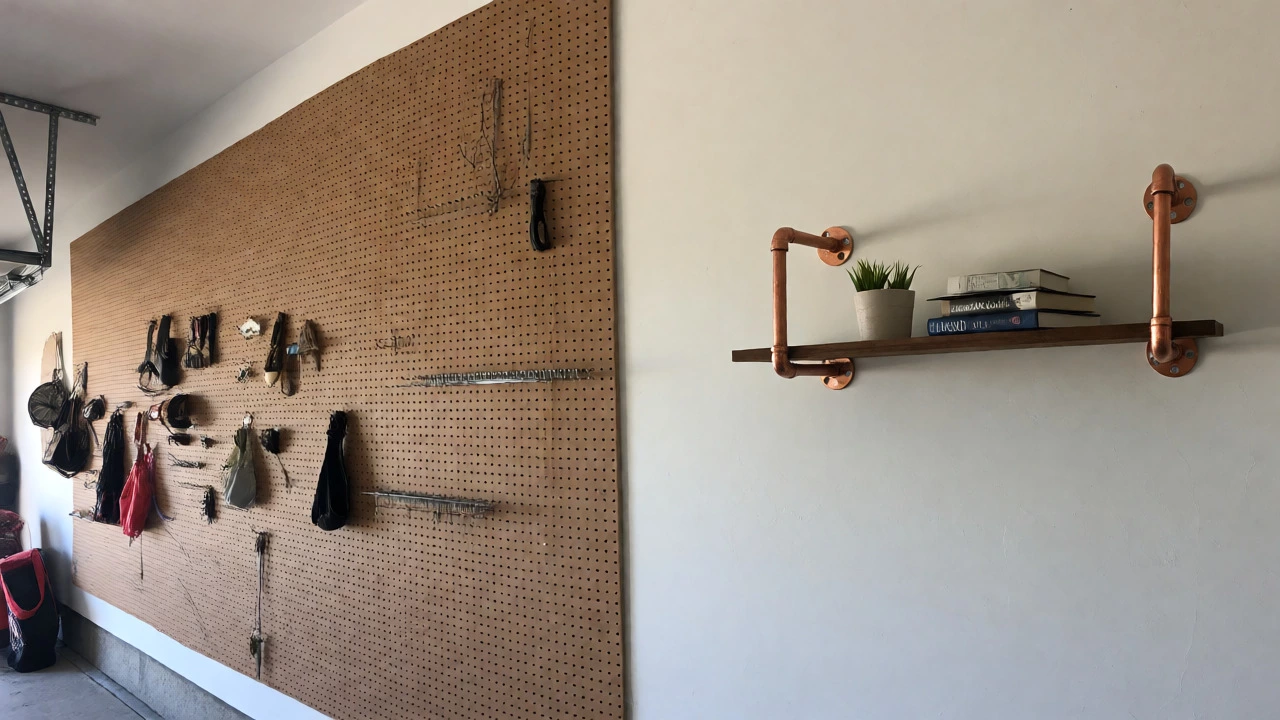
Consider the "pipe shelf." Buy two lengths of threaded copper pipe and four flanges. Screw the flanges into the wall studs, screw the pipes into the flanges, and lay a plank of wood across them. Total cost? Under $40. Compare that to a pre-made floating shelf unit that might cost $100+. This method is rigid, adjustable, and looks intentional. It’s ideal for kitchens (spice racks) or bathrooms (towel bars). Just remember to anchor into studs; drywall anchors won’t hold heavy books or bottles.
Vertical Space: The Cheapest Square Footage
Floor space is expensive because it’s limited. Wall space is often free and underutilized. Installing pegboards is one of the most cost-effective ways to organize garages, workshops, or laundry rooms. A standard 4x8 pegboard panel costs around $25-$35. Add hooks ($1 each) and you have a customizable system. Unlike fixed shelving, pegboards allow you to move items as your needs change. In a small apartment, mount a pegboard behind a door to hang bags, keys, and hats. It keeps entryways clear and makes finding keys quick.
Over-the-door organizers are similar in principle but require zero installation. They hook onto any standard door. While some look cheap, sturdy canvas or mesh versions last years. Use them for shoes, cleaning products, or pantry items. The limitation is weight; don’t overload them with heavy canned goods. For heavier items, consider adhesive hooks rated for 5-10 lbs. Brands like Command offer removable options that don’t damage paint, crucial for renters who want their deposit back.
| Method | Average Cost (CAD) | Durability | Best For |
|---|---|---|---|
| Cardboard Boxes (Repurposed) | $0 - $5 | Low | Short-term, under-bed, lightweight items |
| Pegboard System | $30 - $60 | High | Garage, kitchen tools, frequent access |
| Pipe & Wood Shelves | $25 - $45 | Very High | Kitchen, bathroom, display areas |
| Plastic Bins (Retail) | $10 - $20 per bin | Medium | Closet, attic, moisture-prone areas |
| Under-Bed Rollers | $15 - $30 | Medium | Seasonal clothing, shoes |
Strategic Categorization: Reducing the Need for Storage
The cheapest storage method is storing less. Before you buy a single bin, audit your belongings. Keep only what you use regularly. Items you haven’t touched in a year should be donated, sold, or discarded. This reduces the volume of stuff needing storage, meaning you need fewer containers. It’s counterintuitive, but spending time sorting saves money on containers later.
Use the "zone" method. Group items by activity, not type. Instead of having all pens in one drawer and all notebooks in another, create a "work station" zone with both. This reduces the number of containers needed because you’re consolidating functions. For example, a single basket by the front door holds mail, keys, and sunglasses, rather than three separate trays. Fewer items mean fewer purchases.
Climate Considerations in Vancouver
Living in Vancouver means dealing with dampness. Cheap storage solutions like cardboard can mold if stored in basements or unheated sheds. If you must use cardboard, seal it with packing tape and place it on pallets or bricks to keep it off the concrete floor, which wicks moisture. Plastic bins are better for humid climates despite the higher upfront cost because they’re reusable and waterproof. Vacuum-seal bags are another excellent low-cost option for textiles. They compress bulky items like comforters and winter jackets, reducing the size by up to 75%. A pack of ten bags costs about $20-$30 and lasts for years.
Where to Find Cheap Storage Supplies
Don’t pay full price at big-box stores. Check Facebook Marketplace or local community groups for used plastic bins, wire shelving, or furniture pieces that can be converted into storage. People often give away moving boxes for free after a move. Thrift stores like Value Village or Habitat for Humanity ReStore sell sturdy wooden crates and dressers for a fraction of retail. These items often have character and sturdiness that new, particle-board furniture lacks. Always inspect second-hand items for pests, especially bed bugs or silverfish, before bringing them into your clean spaces.
Is cardboard or plastic cheaper for long-term storage?
Cardboard is cheaper upfront (often free), but plastic is cheaper long-term because it’s reusable, durable, and protects against moisture and pests. If you live in a humid climate like Vancouver, plastic offers better value over time due to reduced replacement costs.
How can I maximize storage in a small closet?
Use vertical space. Install double hanging rods to store shorter items like shirts and pants. Add over-the-door organizers for shoes or accessories. Use slim, velvet hangers instead of bulky plastic ones to save width. Place bins on top of the closet door frame for rarely accessed items.
What is the best cheap storage for seasonal clothes?
Vacuum-seal bags are the most cost-effective for compressing bulky winter gear. Alternatively, use under-bed rolling bins made of breathable fabric to protect clothes from dust while keeping them accessible. Avoid sealing wool or leather in plastic for too long as they need airflow.
Can I use tension rods for heavy items?
No. Tension rods rely on friction and are designed for light loads like curtains or shower liners. For heavier items, use screw-mounted brackets or pipe shelves anchored into wall studs to prevent collapse.
How do I keep storage areas pest-free on a budget?
Seal all cardboard boxes with packing tape to block entry points. Place cedar blocks or lavender sachets inside closets and bins; they naturally repel moths and insects. Ensure storage areas are dry and ventilated to discourage silverfish and cockroaches.