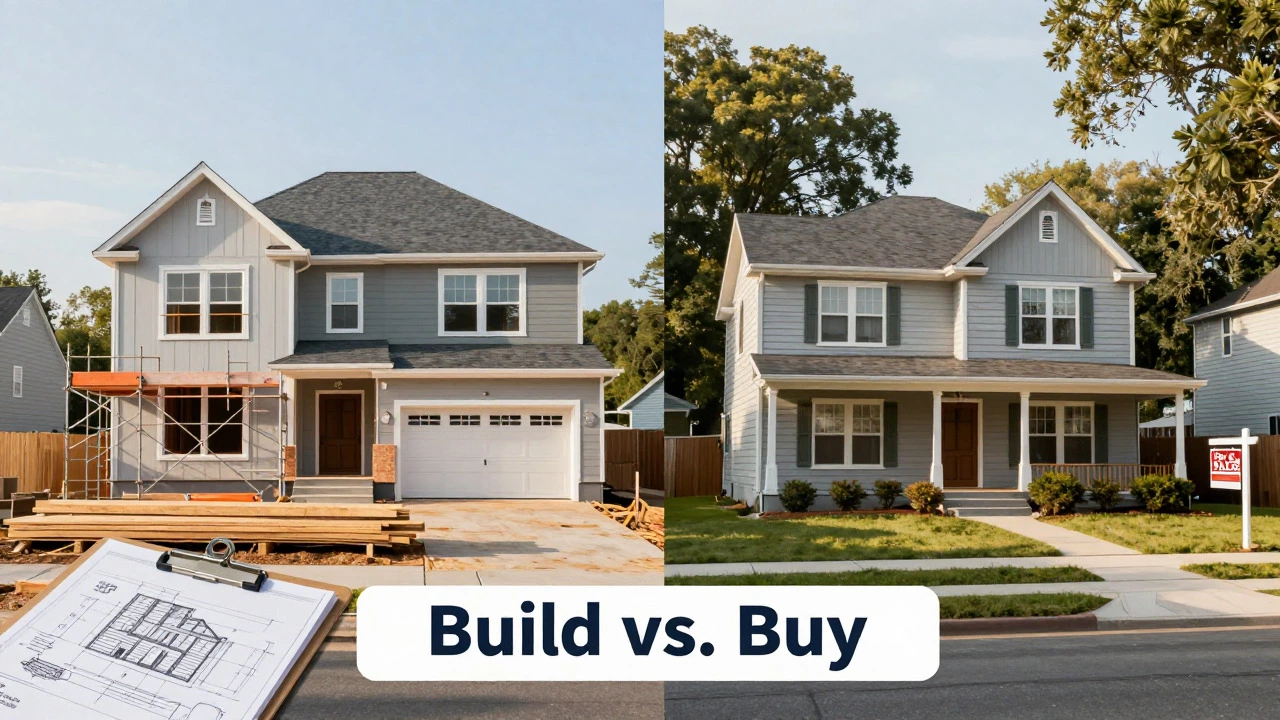
Build vs. Buy Cost Calculator (2026)
Enter Your Estimates
Cost Breakdown
| Category | Building New | Buying Existing |
|---|---|---|
| Base Structure / Purchase Price | $0 | $0 |
| Land Acquisition | $0 | Included |
| Soft Costs / Renovations | $0 | $0 |
| Closing Costs (Est. 3%) | $0 | $0 |
| Total Estimated Outlay | $0 | $0 |
The question of whether it is cheaper to build or buy has shifted dramatically in mid-2026. For years, the answer was almost always "buy" because labor shortages and material inflation made custom construction prohibitively expensive. However, recent shifts in mortgage rates, supply chain stabilization, and a surge in existing home inventory have flipped the script for many buyers. Today, the decision isn't just about the sticker price; it's about hidden costs, long-term value, and your tolerance for risk.
If you are standing at this crossroads right now, you need more than a simple yes or no. You need a breakdown of where the money actually goes. Are you paying for land, permits, and contractor margins? Or are you paying for immediate occupancy and known defects? Let’s look at the real numbers behind building versus buying in today’s market.
The True Cost of Building a New Home
When people talk about building a house, they often focus on the cost per square foot from the builder. But that number rarely includes the land, the architectural fees, or the soft costs like permits and impact fees. In 2026, the average cost to build a single-family home in the United States hovers around $150 to $250 per square foot, depending heavily on your location. In high-cost areas like California or the Northeast, that number can easily exceed $400 per square foot.
Consider the timeline as a financial factor. Building takes time-typically 6 to 12 months from groundbreaking to closing. During this period, you are not just waiting; you are carrying dual housing costs. You might still be paying rent or a mortgage on your current home while also paying down a construction loan, which often carries higher interest rates than traditional mortgages. This "carrying cost" can add tens of thousands of dollars to your total investment before you even walk through the front door.
Furthermore, change orders are the silent budget killers. Once construction begins, decisions about tile, fixtures, or layout changes trigger extra charges. A $5,000 kitchen upgrade can balloon into $15,000 when you factor in demolition, electrical work, and scheduling delays. If you don’t have a contingency fund of at least 10% to 15%, building becomes a stressful financial gamble rather than a controlled investment.
What are the biggest hidden costs in new home construction?
The most significant hidden costs include impact fees charged by local municipalities, utility connection fees, landscaping, and exterior improvements like driveways and fencing. Additionally, construction loans often require interest-only payments during the build phase, which can strain cash flow. Change orders due to design modifications or unexpected site conditions (like poor soil) also frequently exceed initial budgets.
The Reality of Buying an Existing Home
Buying an existing home offers immediacy. You close, you move in, and you start living. In 2026, the existing home market has seen increased inventory compared to the tight markets of 2021-2023. This gives buyers more leverage to negotiate prices, request repairs, or ask for closing cost credits. The median sale price for an existing home varies widely by region, but in many suburban markets, you can find comparable square footage for less than the cost of building from scratch.
However, "cheaper" doesn't always mean "better value." Older homes come with deferred maintenance. A roof installed ten years ago might only have five years left. Electrical systems may not meet modern code requirements for EV chargers or smart home devices. HVAC systems in older homes are often less energy-efficient, leading to higher monthly utility bills. When evaluating an existing home, you must budget for these inevitable repairs. A good rule of thumb is to set aside 1% to 2% of the home’s value annually for maintenance and major replacements.
There is also the emotional cost of compromise. Existing homes have established layouts, paint colors, and flooring that may not suit your taste. Renovating to personalize a bought home adds time and money, effectively bridging the gap between buying and building. If you spend $50,000 renovating a kitchen and bathrooms in a purchased home, does it still make financial sense compared to building new?
Comparing the Numbers: A Side-by-Side Look
To understand which option is cheaper for you, we need to look at a direct comparison. The table below outlines the typical cost structures for both paths in a mid-range market scenario.
| Cost Category | Building New | Buying Existing |
|---|---|---|
| Land Acquisition | $80,000 - $150,000+ | Included in Purchase Price |
| Construction/Purchase Price | $300,000 - $450,000 | $350,000 - $400,000 |
| Soft Costs (Permits, Fees) | $15,000 - $30,000 | $0 (Transfer taxes apply) |
| Closing Costs | $10,000 - $15,000 | $8,000 - $12,000 |
| Immediate Repairs/Renovations | $0 (Warranty Coverage) | $10,000 - $30,000 |
| Total Estimated Outlay | $405,000 - $645,000 | $368,000 - $442,000 |
As the table shows, buying an existing home often has a lower upfront cash requirement. However, building offers predictability in terms of condition. You know exactly what materials are under the floor and what wiring is in the walls. With an existing home, you are relying on inspections and warranties that may not cover everything.
Long-Term Value and Resale Potential
Is it cheaper in the short term, or is it cheaper over twenty years? New builds typically have lower maintenance costs for the first decade. Modern building codes enforce better insulation, energy-efficient windows, and durable materials. This translates to lower utility bills and fewer repair calls. Over a 30-year mortgage, saving $100 a month on utilities adds up to $36,000-a significant offset to the higher initial cost of building.
Resale value also favors newer constructions in many markets. Buyers prefer move-in-ready homes with modern amenities like open floor plans, smart thermostats, and energy-efficient appliances. An existing home may appreciate in value due to land equity, but the structure itself depreciates unless renovated. If you plan to sell within five to seven years, building new might yield a higher return on investment because you avoid the depreciation curve of an older property.
When Building Makes Financial Sense
Despite the higher upfront costs, there are specific scenarios where building is the smarter financial move. First, if you live in an area with limited housing inventory, buying forces you into bidding wars that drive prices above market value. In these "seller’s markets," building allows you to control the price point by choosing standard finishes and efficient designs.
Second, if you have unique needs-such as accessibility features, multi-generational living spaces, or specific energy goals-building is often cheaper than retrofitting an existing home. Retrofitting can be invasive and costly, requiring structural changes that disrupt daily life. Building from the ground up integrates these needs seamlessly, avoiding future renovation expenses.
Third, tax incentives and green building rebates can reduce the net cost of new construction. Many states and local governments offer tax credits for solar installations, heat pumps, and high-efficiency insulation. These incentives can shave thousands off your total project cost, narrowing the gap with existing home prices.
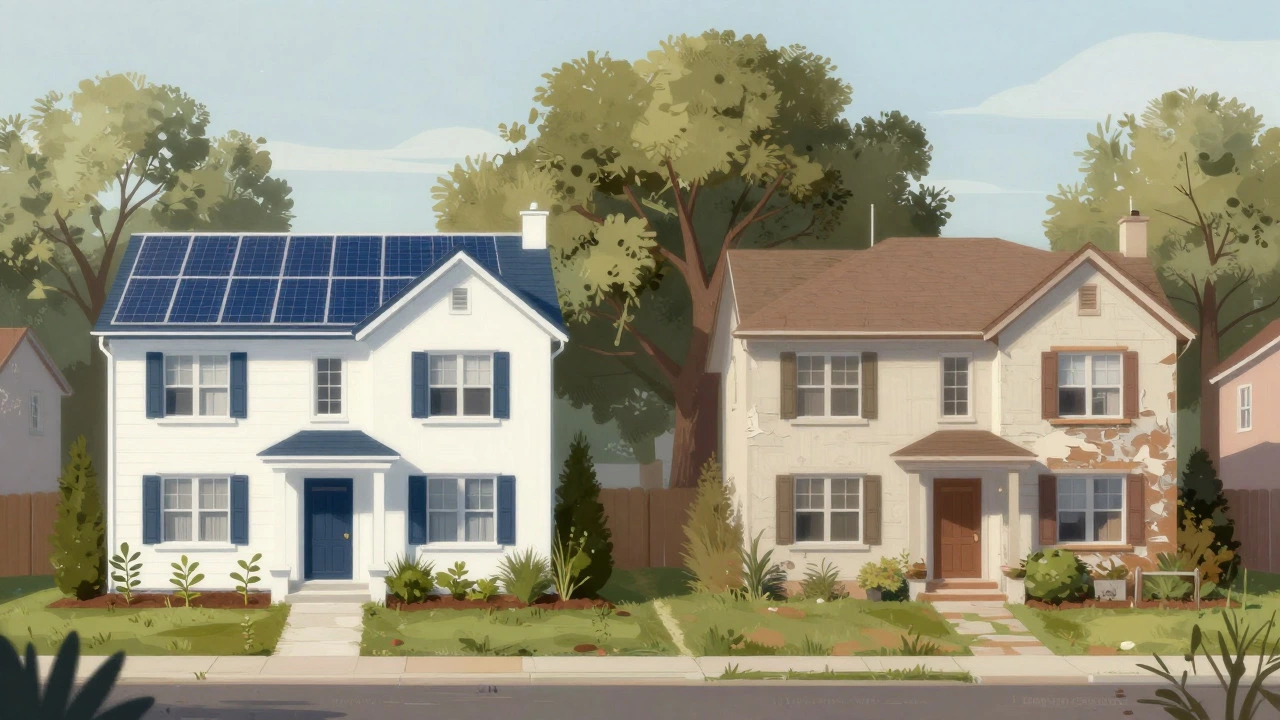
When Buying Is the Clear Winner
For most buyers in 2026, buying an existing home remains the more affordable option. If you are on a tight timeline, the six-to-twelve-month wait for construction is a luxury you can’t afford. Immediate occupancy saves you months of rental payments and moving costs. If you are renting currently, those saved rents can be applied directly to your mortgage principal, accelerating equity buildup.
Additionally, established neighborhoods offer mature trees, community infrastructure, and proven school districts. New developments often lack this character and take years to mature. If location is your top priority, buying in an established area provides instant access to amenities that new subdivisions may not yet have. The convenience and stability of an existing neighborhood often outweigh the marginal savings of building elsewhere.
Key Factors Influencing Your Decision
Your personal financial situation plays a huge role. Do you have substantial savings for a down payment and a contingency fund? If not, building poses a higher risk of financial strain. Construction loans are variable-rate and can increase in cost if interest rates rise during the build. Traditional mortgages for existing homes are more predictable, especially with fixed-rate options available in 2026.
Risk tolerance is another critical factor. Building involves uncertainty: weather delays, supply chain issues, and contractor availability can all push back completion dates and inflate costs. Buying an existing home transfers much of this risk to the seller. You inspect the property, negotiate repairs, and close with a clear understanding of what you are getting. If you prefer certainty and control over your monthly budget, buying is likely the safer choice.
Next Steps for Your Decision
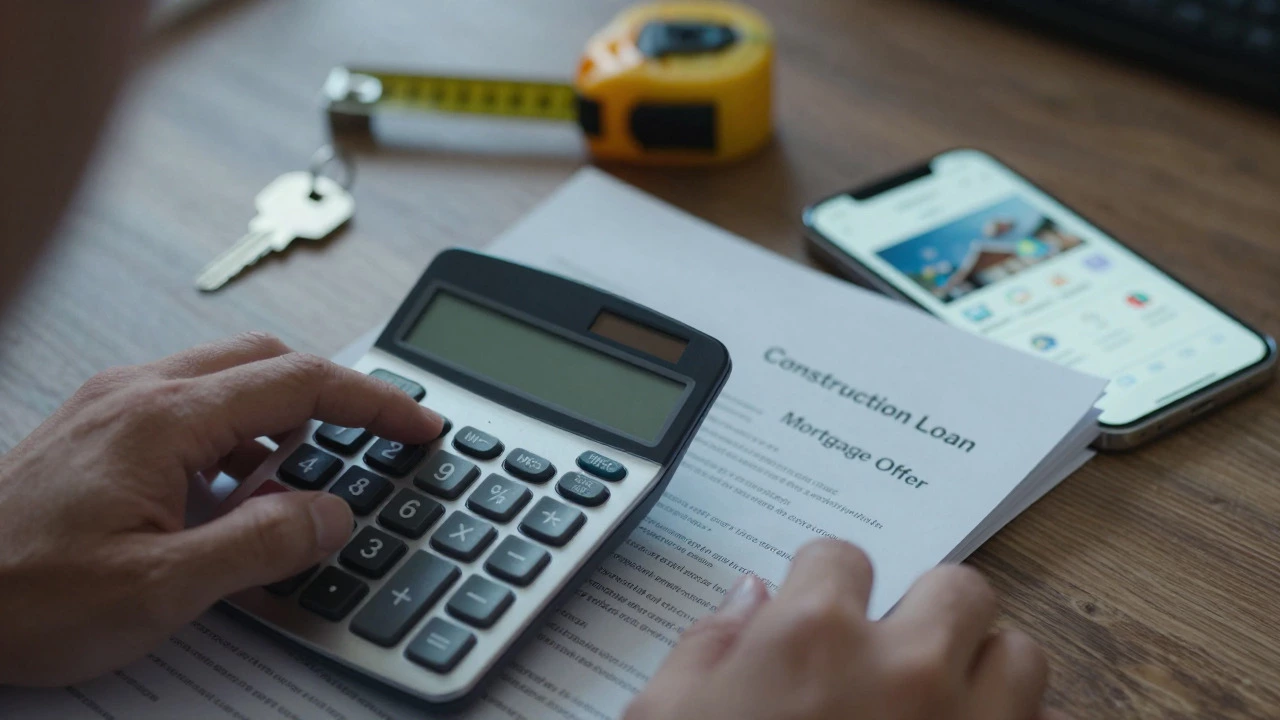
To determine which path is right for you, start by getting pre-approved for both a construction loan and a traditional mortgage. Compare the interest rates and terms. Then, research land prices in your desired area and get quotes from three reputable builders. Simultaneously, browse listings for existing homes in similar neighborhoods. Create a detailed spreadsheet comparing total costs, including estimated renovations for existing homes. This data-driven approach will reveal the true cost difference and help you make a confident decision.
How long does it take to build a new home in 2026?
On average, building a new home takes 6 to 12 months from groundbreaking to final inspection. This timeline can vary based on weather, permit approval speeds, and contractor availability. Custom homes with complex designs may take longer, while production homes from large builders can sometimes be completed in 4 to 6 months.
Are new homes more energy-efficient than older ones?
Yes, significantly. Modern building codes require better insulation, tighter air sealing, and more efficient HVAC systems. New homes often feature double-pane windows, LED lighting, and Energy Star appliances, which can reduce energy consumption by 20-30% compared to homes built before 2000.
Can I negotiate the price of a new construction home?
While base prices are often fixed, you can negotiate upgrades, closing cost assistance, or rate buy-downs. Builders may offer incentives to close deals quickly, especially if the model home has been on the market for a while. Always ask about available promotions or concessions.
What is the biggest risk of building a custom home?
The biggest risk is cost overrun. Unexpected site conditions, material price increases, and change orders can significantly exceed the initial budget. Without a strict contract and contingency fund, builders may face financial hardship or delayed completion.
Is it better to buy a fixer-upper or build new?
It depends on the scope of repairs. Minor cosmetic updates can make a fixer-upper a great value. However, major structural, electrical, or plumbing issues can quickly erase any savings compared to building new. Get professional estimates for all necessary repairs before deciding.