Dresser TV Stand Compatibility Checker
Enter Your Measurements
Result
Enter your TV and dresser details to see if they are compatible.
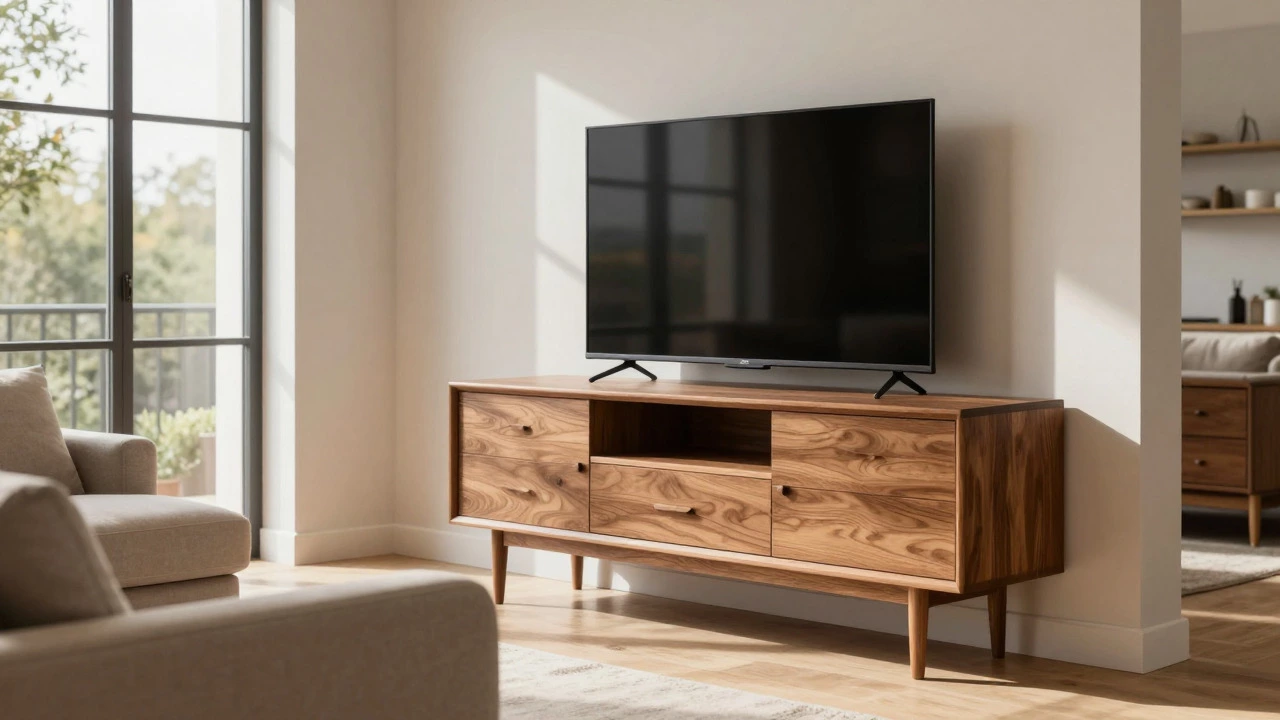
That old dresser in the corner isn’t just taking up space; it might be the perfect solution for your living room setup. Repurposing a Dresser is a sturdy piece of bedroom furniture often used as an alternative to dedicated entertainment centers due to its storage capacity and stability as a TV stand is a popular hack among homeowners looking to save money or achieve a specific aesthetic. But before you mount that 65-inch screen on top, you need to ask: will it hold? Will it look right? And more importantly, is it safe?
The short answer is yes, you can use a dresser as a TV stand, but only if you pay close attention to weight limits, dimensions, and ventilation. It’s not just about slapping a television on a surface; it’s about engineering a stable base that protects your expensive electronics and your family.
The Weight Capacity Test: Will It Hold?
The first thing you need to check is the Weight Capacity is the maximum load a piece of furniture can safely support without structural failure or tipping. Most modern flat-screen TVs are lighter than their CRT predecessors, but they are also wider and heavier at the edges. A typical 55-inch LED TV weighs between 30 to 40 pounds, while a large 75-inch model can push 80 to 100 pounds.
Standard dressers, especially those made from solid wood like oak or maple, are built to hold heavy winter coats, boots, and blankets. They generally have a high weight tolerance. However, particleboard or MDF (Medium-Density Fiberboard) dressers found in budget stores may sag under concentrated weight over time. Check the manufacturer’s specifications if possible. If the dresser feels wobbly when you press down on the center, it’s not ready for a TV.
- Solid Wood Dressers: Typically support 100+ lbs easily. Ideal for larger screens.
- MDF/Particleboard Dressers: May sag under 50+ lbs. Best for smaller TVs under 50 inches.
- Vintage/Antique Dressers: Varies wildly. Check for joint integrity and wood rot.
If your TV is particularly heavy, consider placing it near the center of the dresser rather than at the very edge to distribute the weight evenly across the legs.
Dimensions and Screen Fit
Size matters more than you think. You don’t want your TV to overhang the dresser significantly, as this creates a lever effect that increases the risk of tipping. As a rule of thumb, your TV should be no wider than the dresser itself. Ideally, there should be at least 2-3 inches of clearance on either side.
Height is another critical factor. The center of your TV screen should be at eye level when you are seated on your couch. This is usually around 42 inches from the floor. Measure your current seating height and adjust accordingly. If the dresser is too tall, you’ll strain your neck looking up. If it’s too short, you’ll be craning your head forward. Some people solve this by using risers or adding a shelf below the TV to lower the effective viewing height.
| TV Screen Size | Approximate TV Width | Minimum Dresser Width |
|---|---|---|
| 40-43 inches | 36-39 inches | 40 inches |
| 50-55 inches | 45-49 inches | 50 inches |
| 60-65 inches | 55-58 inches | 60 inches |
| 70-75 inches | 62-66 inches | 70 inches |
Stability and Anti-Tip Safety
This is the most important section. Dressers are notorious for tipping over, especially when loaded with heavy items on top. The Consumer Product Safety Commission (CPSC) has issued numerous warnings about furniture tip-overs causing injuries and fatalities, particularly in homes with children.
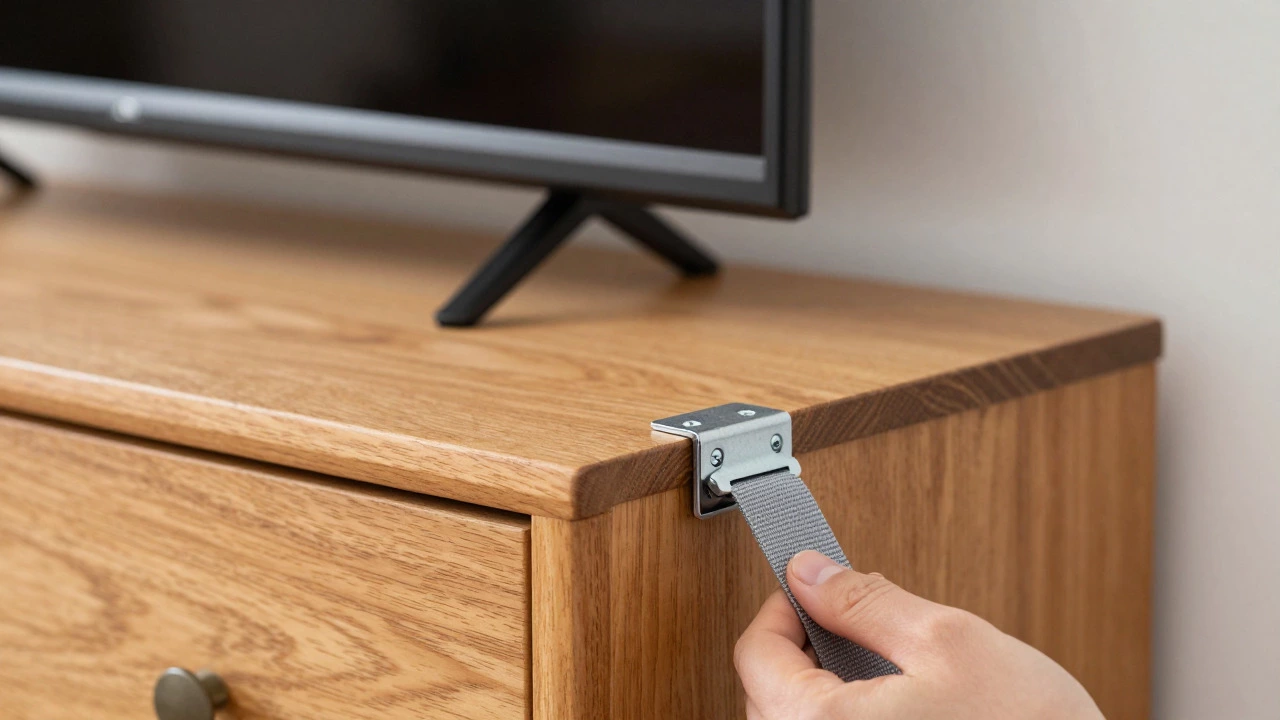
When you add a TV to a dresser, you raise the center of gravity. This makes the unit much less stable. To mitigate this risk, you must anchor the dresser to the wall. Use an anti-tip kit, which typically includes a strap that connects the back of the dresser to a wall stud. If you plan to mount the TV on the wall above the dresser, ensure the mount is securely attached to studs, not just drywall anchors.
Additionally, check the drawers. Open drawers act as levers. If a child pulls open a drawer while standing on the dresser, or if the TV shifts weight suddenly, the whole unit could tip. Consider blocking off the top drawers if they are rarely used, or ensuring they stay closed.
Cable Management and Ventilation
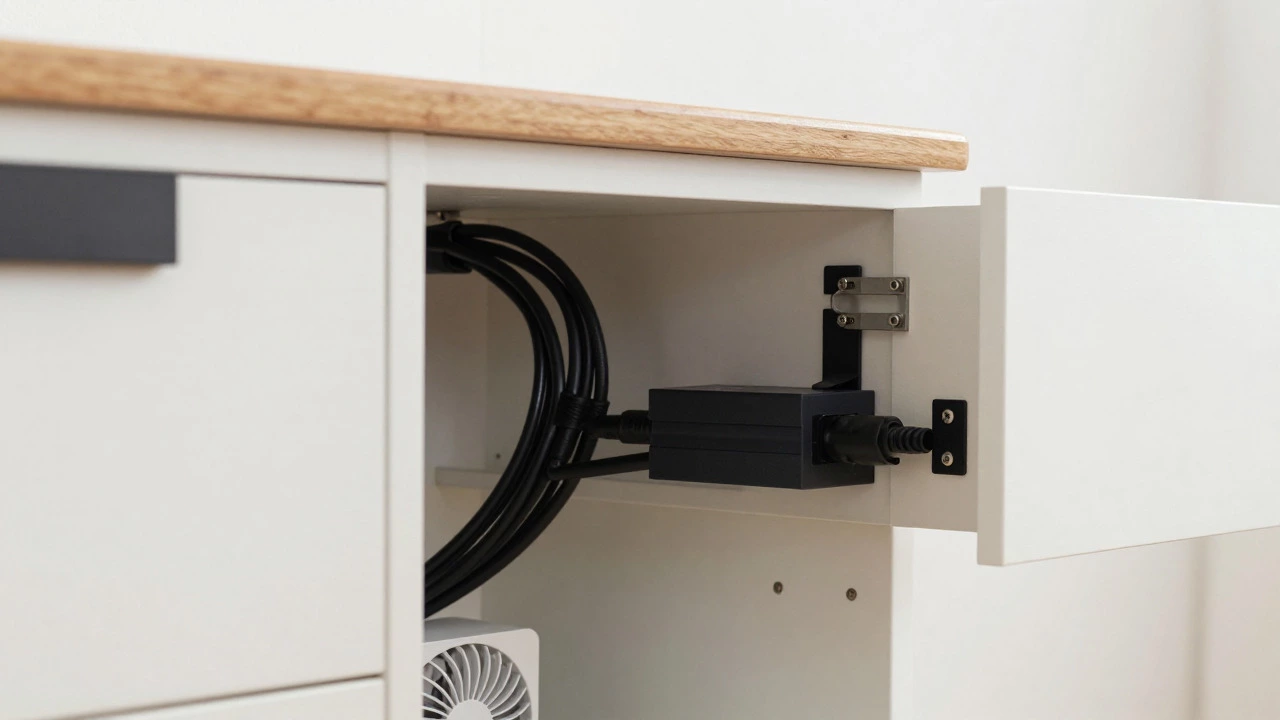
A messy tangle of wires behind your TV ruins the clean look of a repurposed dresser. Most dressers don’t have built-in cable management holes like dedicated TV stands do. You have two options: drill holes in the back panel of the dresser (if it’s accessible) or use adhesive cable clips to route wires neatly along the sides.
Ventilation is often overlooked. Electronics generate heat. If your dresser has enclosed cabinets where you plan to put gaming consoles, soundbars, or streaming devices, make sure there is airflow. Blocked vents can lead to overheating and reduced lifespan of your equipment. Leave cabinet doors slightly ajar or install small fans if necessary.
Aesthetic Considerations: Does It Look Good?
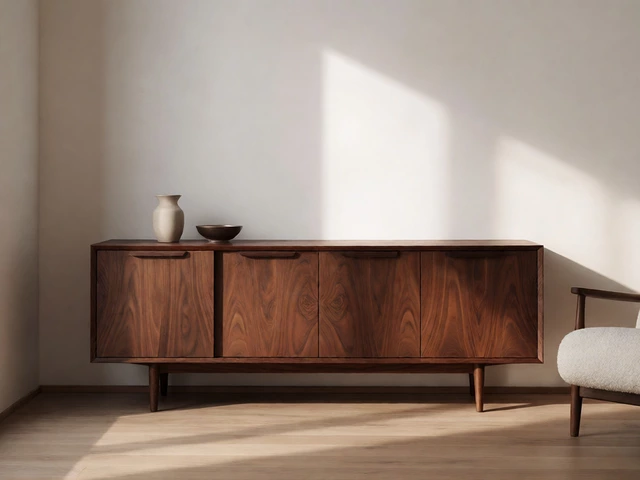
Using a dresser as a TV stand is a style choice. Mid-century modern dressers with tapered legs pair beautifully with sleek smart TVs. Farmhouse-style dressers add warmth to a rustic living room. However, avoid dressers with overly ornate carvings or bright colors that clash with your tech gear.
Think about the overall balance. A massive TV on a delicate, narrow dresser looks disproportionate. Conversely, a tiny TV on a huge, bulky dresser looks lost. Aim for visual harmony. You can enhance the look by adding decorative items like books, plants, or framed art on the remaining surface space, but keep them away from the TV’s direct line of sight to avoid distractions.
Pros and Cons of Using a Dresser as a TV Stand
Before making the switch, weigh the benefits against the drawbacks.
Pros:
- Cost-Effective: Often cheaper than buying a new entertainment center, especially if you already own the dresser.
- Storage: Drawers provide excellent hidden storage for remotes, cables, games, and media devices.
- Aesthetics: Adds character and warmth compared to generic plastic or glass TV stands.
- Flexibility: Easy to move around if you rearrange your furniture.
Cons:
- Tipping Risk: Higher center of gravity requires strict anchoring.
- Cable Clutter: Lack of built-in wire management solutions.
- Heat Buildup: Enclosed spaces may trap heat from electronics.
- Size Mismatch: Hard to find a perfect fit for very large or very small TVs.
Final Verdict
Yes, you can absolutely use a dresser as a TV stand, provided you prioritize safety and fit. Anchor it to the wall, ensure the width matches your screen, and manage your cables carefully. It’s a practical, stylish, and budget-friendly solution that can transform your living space. Just remember: stability comes first, aesthetics second.
Do I need to anchor my dresser to the wall if I use it as a TV stand?
Yes, absolutely. Adding a TV raises the center of gravity, making the dresser much more prone to tipping. Always use an anti-tip kit to secure the dresser to a wall stud, especially if you have children or pets.
What size TV fits on a standard 50-inch dresser?
A 50-inch wide dresser can comfortably accommodate a TV up to 55 inches in screen size. The TV width should be slightly less than the dresser width to prevent overhang and maintain stability.
Can I put a soundbar on the same dresser as my TV?
Yes, but ensure there is enough space and ventilation. Place the soundbar in front of the TV or on a separate shelf within the dresser if possible. Avoid enclosing it in a tight cabinet without airflow.
Is a wooden dresser better than a metal one for a TV stand?
Wooden dressers are generally preferred because they offer better insulation and a warmer aesthetic. Metal dressers can conduct heat and may interfere with Wi-Fi signals if not properly spaced. Ensure the wood is solid and sturdy enough to support the TV's weight.
How do I hide cables behind a dresser used as a TV stand?
You can drill holes in the back panel of the dresser to pass cables through, or use adhesive cable clips to run wires along the sides. Cable management boxes can also hide power strips and excess cord length inside the drawers.