Commercial vs. Residential Building Classifier
Determine if a property structure aligns with commercial or residential definitions based on zoning, usage, and construction standards.
Classification Result:
Type:
Description:
Key Considerations:
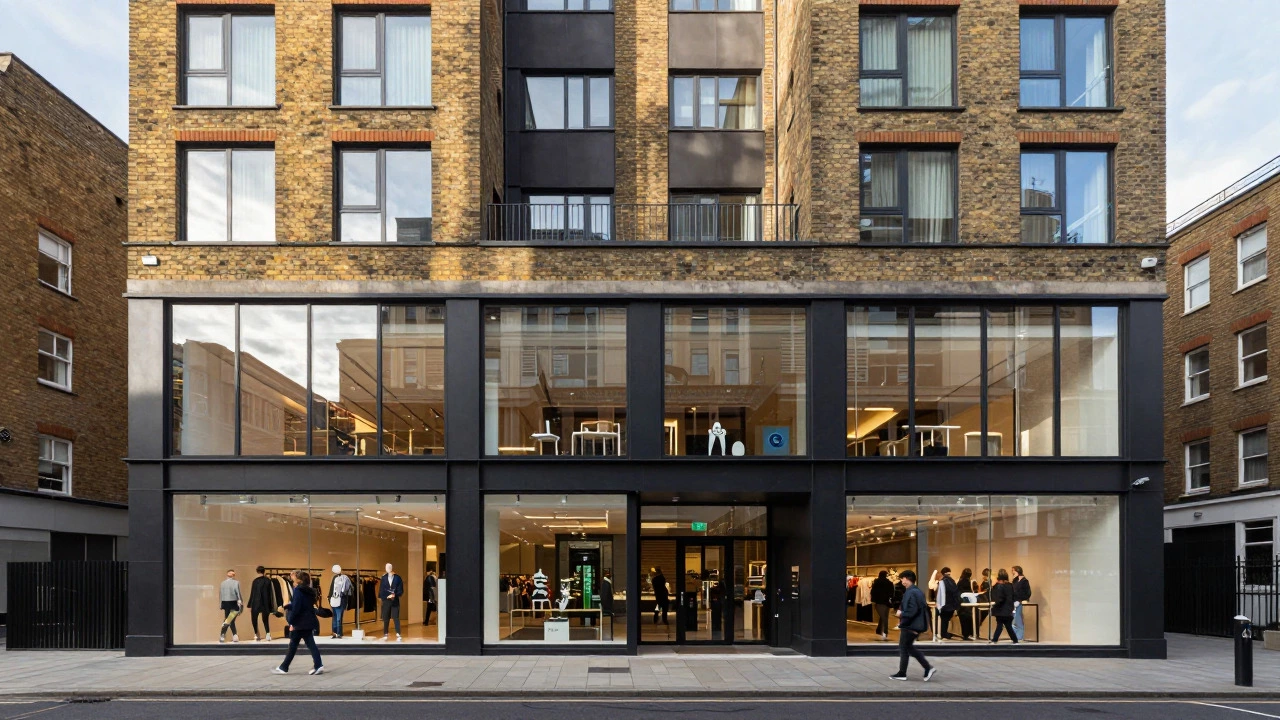
Walk down any street in Vancouver, Toronto, or New York, and you’ll see buildings that look almost identical. Same brick facades, same glass windows, same steel skeletons. Yet one is a private home where you pay property taxes as an individual, and the other is a retail space where a business pays commercial rates. What’s the difference? It isn’t just about who owns it. It isn’t even always about what happens inside.
The distinction between commercial building is a structure designed for business activities rather than residential living, governed by specific zoning laws and construction codes and residential property comes down to legal definitions, zoning classifications, and construction standards. If you’re buying land, renovating a space, or trying to understand why your insurance premiums jumped, knowing this line is critical. Get it wrong, and you could face fines, denied permits, or a building that simply doesn’t meet safety requirements.
The Core Definition: Purpose Over Form
At its simplest, a commercial building is any structure used primarily for business purposes. This includes offices, retail stores, restaurants, hotels, warehouses, and industrial facilities. The key word here is "purpose." A house can become commercial if you run a daycare out of it full-time. A warehouse can be residential if it’s converted into lofts (though that requires major paperwork).
However, purpose alone doesn’t tell the whole story. In most jurisdictions, including Canada and the United States, the classification is determined by local zoning bylaws. These laws dictate what activities are allowed on a specific plot of land. If the land is zoned R-1 (Single-Family Residential), you generally can’t operate a commercial business there without special permission. If it’s zoned C-1 (General Commercial), you can open a shop, but you probably can’t live there.
| Feature | Residential Building | Commercial Building |
|---|---|---|
| Primary Use | Living, sleeping, domestic activities | Business, trade, industry, services |
| Zoning Classification | R-series (e.g., R-1, R-2) | C-series (e.g., C-1, C-2) or I-series (Industrial) |
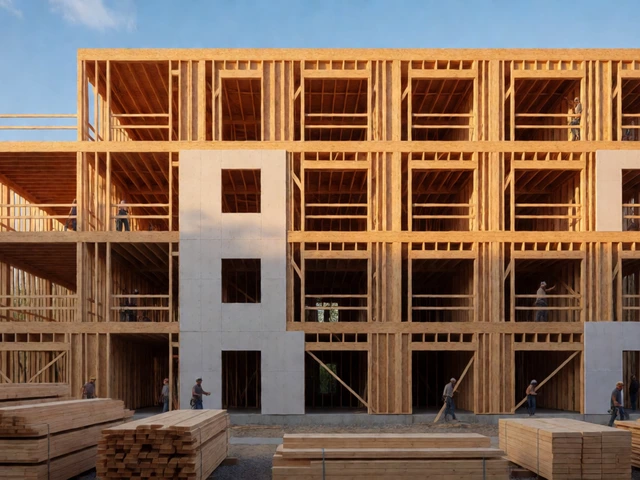
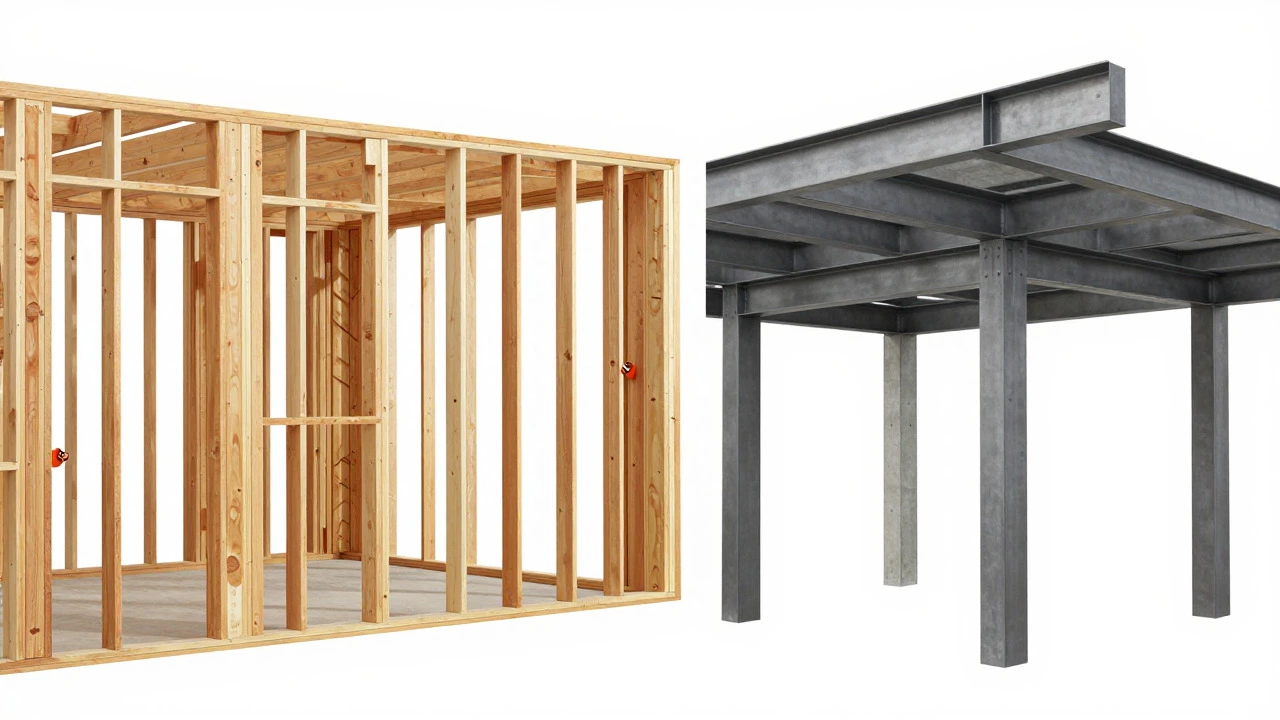
| Construction Materials | Wood framing, lighter materials | Steel, concrete, fire-rated assemblies |
| Safety Systems | Basic smoke detectors | Sprinklers, fire alarms, multiple exits |
| Tax Assessment | Based on comparable homes | Based on income potential and market value |
Zoning Laws: The Legal Boundary
Zoning is the invisible fence around your property. It’s established by municipal governments to separate incompatible uses. You don’t want a noisy factory next to a quiet neighborhood school. Zoning prevents that chaos.
In North America, zoning categories are typically letter-coded. Residential zones start with 'R'. Commercial zones start with 'C'. Industrial zones often use 'I' or 'M' (Manufacturing). When a building is classified as commercial, it sits on land designated for commerce. This affects everything from parking requirements to signage height.
For example, a commercial zone might require one parking spot per 300 square feet of retail space. A residential zone might only require two spots per house. If you try to open a restaurant in a residential zone, the city can shut you down because the infrastructure-parking, traffic flow, waste management-wasn’t designed for high-volume public access.
It’s also worth noting that zoning can change. Cities evolve. A former industrial area might be rezoned for mixed-use development, allowing both shops and apartments. This is common in urban centers like downtown Vancouver, where old warehouses have been transformed into vibrant neighborhoods. But until that rezoning happens, the old rules apply.
Construction Codes: Safety at Scale
If zoning is the legal boundary, construction codes are the physical rules. Commercial buildings are built to different standards than homes. Why? Because more people use them, they stay open longer hours, and the consequences of failure are higher.
In Canada, the National Building Code (NBC) sets the baseline. In the U.S., the International Building Code (IBC) is widely adopted. Both codes distinguish between occupancy types. Residential occupancies (Group R) have lower requirements for fire resistance and egress. Commercial occupancies (Group B for business, Group M for mercantile) have stricter rules.
Consider fire safety. A typical house needs smoke detectors on each level. A commercial office building usually requires a fully sprinklered system, fire-rated walls and doors, and clearly marked emergency exits. The code assumes that in a home, everyone knows their way out. In a commercial building, strangers may be present, so the building must guide them safely.
Structural integrity is another factor. Commercial buildings often have heavier loads. Offices have rows of desks, computers, and filing cabinets. Warehouses store pallets of goods. Restaurants have heavy kitchen equipment. The floors and foundations must support these weights. Wood-framed houses aren’t designed for that kind of stress.
Mixed-Use Properties: Blurring the Lines
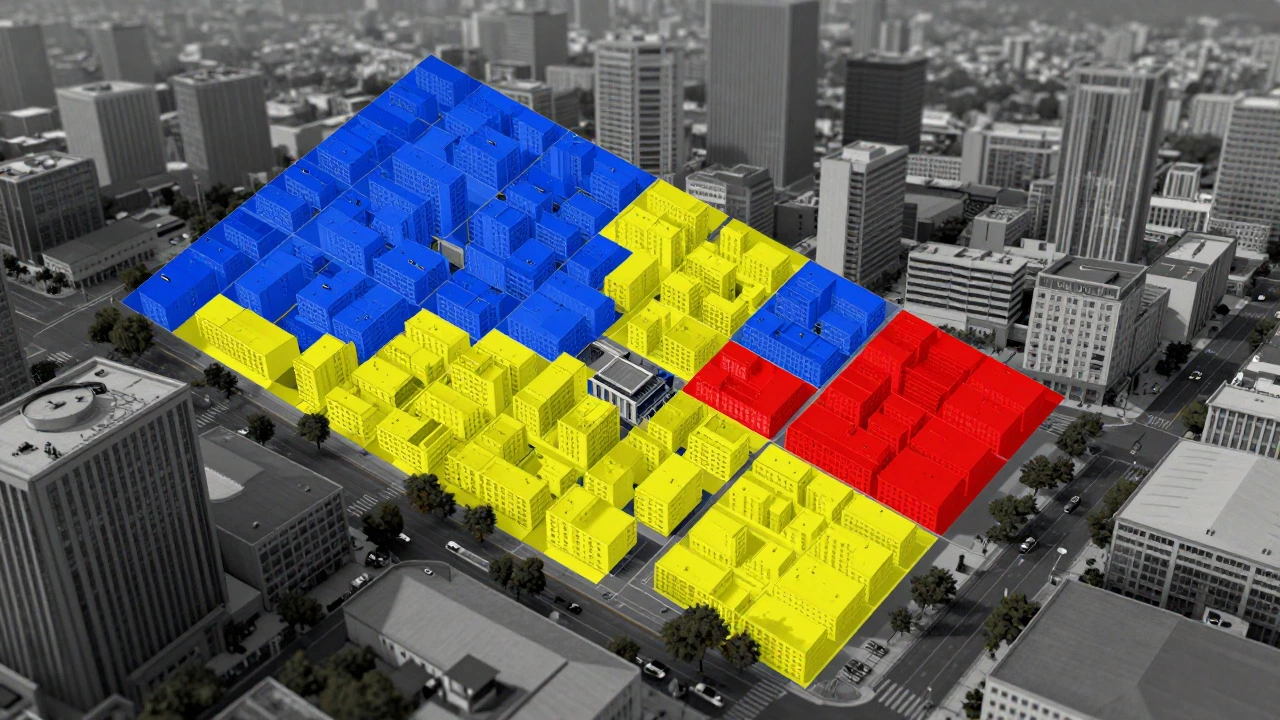
Not every building fits neatly into one box. Mixed-use developments combine residential and commercial spaces in a single structure. Think of a building with retail stores on the ground floor and apartments above. These are increasingly common in cities aiming for walkable, dense communities.
How are these classified? They’re treated as hybrid structures. The commercial portion follows commercial codes; the residential portion follows residential codes. However, they must be separated by fire-resistant barriers. A fire in the coffee shop shouldn’t spread to the apartments upstairs. Elevators serving both areas need special controls to prevent cross-contamination during emergencies.
From a legal standpoint, mixed-use properties can complicate ownership. One entity might own the retail space, while another owns the condos. Or a single developer might retain ownership of the commercial base while selling the residential units. This affects maintenance responsibilities, insurance, and tax assessments.
Insurance and Financing: The Financial Reality
Once a building is classified as commercial, the financial implications kick in. Homeowners insurance won’t cover a business operating out of a garage. You need commercial property insurance, which covers business assets, liability, and sometimes business interruption.
Financing works differently too. Mortgages for commercial properties have shorter terms, higher interest rates, and larger down payments. Lenders view commercial real estate as riskier because its value depends on business performance. If the tenant leaves, the income drops, and the loan becomes harder to service.
Taxes are another consideration. Property taxes for commercial buildings are assessed based on market value and income potential, not just comparable sales. In some regions, commercial properties pay higher mill rates than residential ones. This reflects the greater services they consume-road maintenance, policing, waste collection.
Common Misconceptions About Commercial Buildings
People often assume that size determines classification. A large mansion isn’t automatically commercial just because it’s big. A small storefront isn’t residential just because it’s cozy. Size matters less than use.
Another myth is that remote work changes the rules. Just because you work from home doesn’t make your house commercial. Unless you’re hosting clients regularly, storing inventory, or employing staff on-site, it remains residential. But if you turn your garage into a auto repair shop, suddenly you’re in commercial territory-and you need the right permits.
Finally, don’t confuse "commercial" with "industrial." While both are non-residential, industrial buildings focus on manufacturing, processing, or storage. Commercial buildings focus on interaction with the public-selling, serving, or providing services. The codes reflect this difference. Industrial sites may need environmental protections for hazardous materials. Commercial sites need accessibility features for customers with disabilities.
Why This Matters for Buyers and Developers
Understanding what makes a building commercial is crucial for anyone involved in real estate. For buyers, it means verifying zoning before purchasing. For developers, it means designing to code from day one. For investors, it means understanding the risk profile of the asset.
If you’re planning to convert a residential property to commercial use, expect a lengthy approval process. You’ll need variances, conditional use permits, and possibly public hearings. The city will review traffic impact, noise levels, and community effects. It’s not impossible, but it’s not easy either.
Conversely, if you’re looking to buy a commercial property, check the history. Was it previously industrial? Are there soil contamination issues? Was it properly permitted when it changed hands? Due diligence saves headaches later.
Can I live in a commercial building?
Generally, no. Most commercial zones prohibit residential use unless specifically allowed through mixed-use zoning or a variance. Living in a pure commercial space can lead to eviction orders and fines. However, many modern developments include residential units above commercial spaces, which are legally distinct.
What is the difference between commercial and industrial zoning?
Commercial zoning allows businesses that interact with the public, like shops and offices. Industrial zoning is for manufacturing, warehousing, and heavy machinery. Industrial zones often have fewer restrictions on noise and hours but may require environmental safeguards.
Do commercial buildings require elevators?
It depends on the height and occupancy load. Most commercial buildings over three stories require elevators for accessibility and fire evacuation. Local codes specify exact thresholds based on square footage and number of occupants.
How do I find out if my property is zoned commercial?
Check with your local municipal planning department. They provide online maps and documents showing zoning designations. You can also request a zoning certificate, which officially states the permitted uses for your parcel of land.
Is it expensive to convert a residential building to commercial?
Yes, it can be costly. Beyond permit fees, you may need to upgrade electrical systems, install fire sprinklers, add accessible entrances, and reinforce structural elements. The total cost varies widely depending on the building’s age and condition.