Flooring Matchmaker
Answer these questions to see which flooring material fits your life best. We rank options by their resistance to dirt, water, and scratches.
Your Top Flooring Recommendations
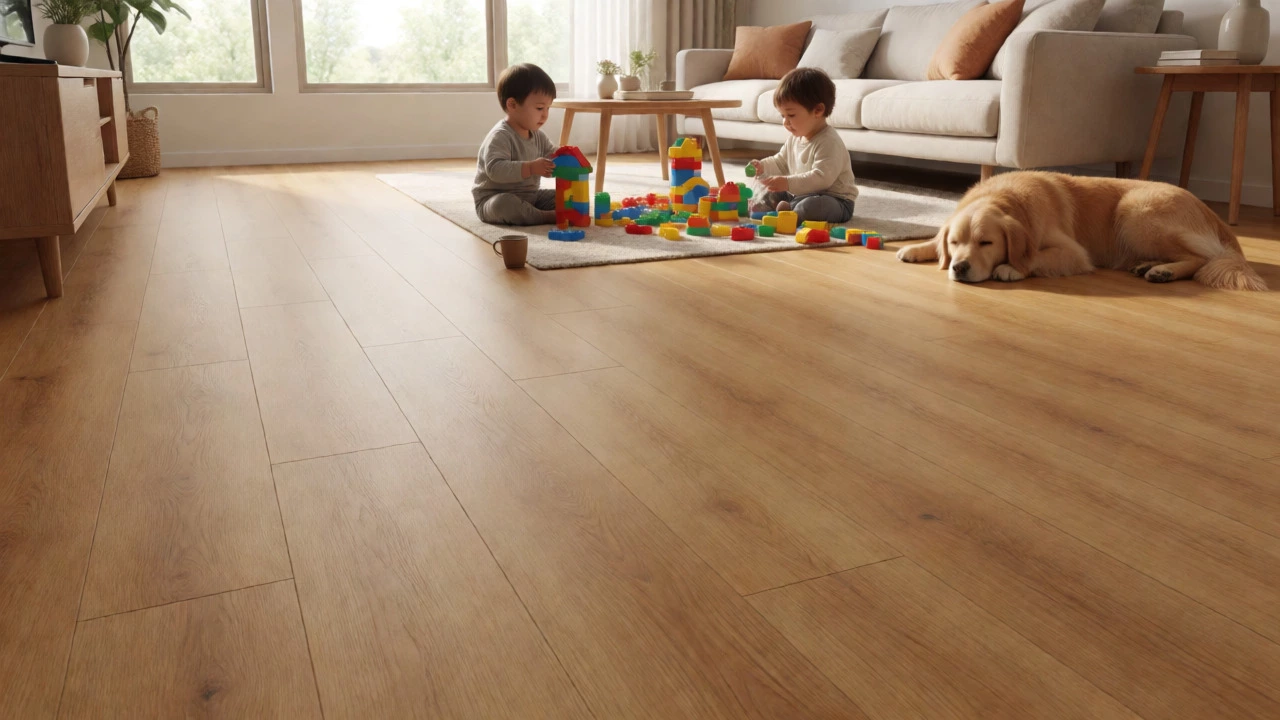
You know that feeling when you walk into a friend's house and everything looks spotless, even though they have two toddlers and a shedding dog? You ask them their secret, and they point to the floor. It’s not magic; it’s material science. Choosing flooring that is easy to maintain isn't just about saving time on Saturday mornings. It’s about reducing stress every single day. If you are tired of scrubbing grout lines or worrying about water damage, you need to know which surfaces actually hold up against real life.
Before we list materials, let’s define what "easy" really means in this context. Easy doesn’t mean indestructible. It means forgiving. An easy-to-clean floor hides dust between vacuuming sessions, shrugs off minor spills without staining, and doesn’t require specialized chemicals or waxing routines to look good. Here is the breakdown of the top contenders, ranked by how much hassle they save you.
Vinyl Plank Flooring (LVP): The Low-Maintenance King
If you want one answer that fits 90% of households, it’s Luxury Vinyl Plank (LVP). This synthetic flooring has taken over the market for a reason: it is waterproof, durable, and incredibly easy to wipe down. Unlike natural wood, LVP does not absorb moisture. If you spill coffee, you don’t panic. You grab a cloth, wipe it up, and move on. There is no risk of warping or cupping if a pet has an accident.
The surface layer of LVP is typically coated with aluminum oxide, which makes it resistant to scratches from furniture legs and dog claws. Cleaning requires nothing more than a broom, a vacuum with a hard-floor setting, and a damp mop with mild detergent. You can use a steam mop on many brands, but check the warranty first. The only downside? Cheap LVP can feel hollow underfoot and might dent if you drop something heavy, like a cast-iron pan. But for pure ease of cleaning, it is hard to beat.
Porcelain Tile: The Indestructible Option
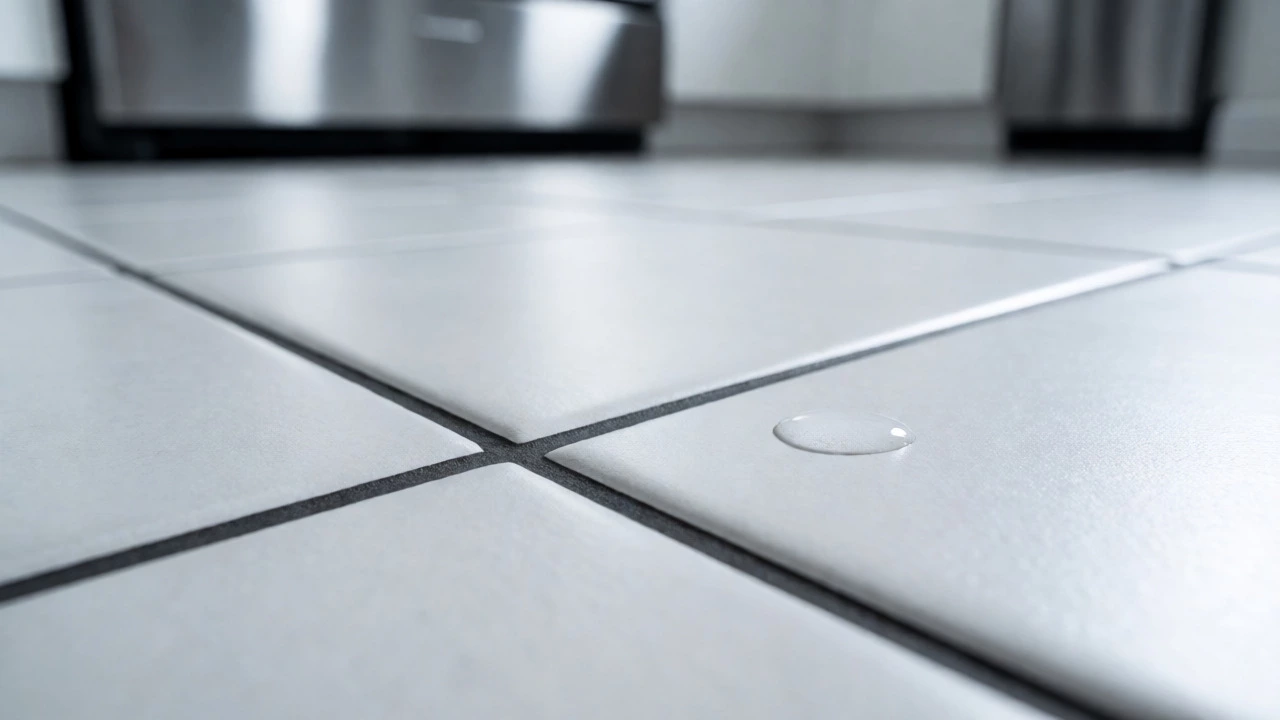
When people hear "tile," they often think of high-maintenance grout lines. That used to be true for ceramic tiles with wide gaps. Modern porcelain tile is different. It is denser, less porous, and often available in large formats with minimal grout lines. Porcelain is fired at higher temperatures than ceramic, making it virtually impervious to water stains. You can drag a wet mop across it without worry.
The trick to keeping porcelain easy to clean lies in the finish and the grout. Choose a matte or satin finish rather than high-gloss polished tile. Glossy tiles show every footprint and water droplet. Matte finishes hide dust and footprints beautifully. For grout, use epoxy grout instead of traditional cement-based grout. Epoxy grout does not absorb liquids, so it won’t turn black with mold or dirt over time. If you stick with standard grout, seal it annually. Otherwise, you’ll spend your weekends scrubbing white lines that turned gray.
Laminate Flooring: Budget-Friendly and Tough
Laminate flooring is a composite material made of a fiberboard core topped with a photographic image and a clear protective wear layer. It mimics the look of hardwood but costs significantly less. From a cleaning perspective, laminate is excellent because the top layer is essentially plastic. It resists stains from wine, juice, and ink better than most natural woods.
However, laminate has one major weakness: water. While the surface repels water, the edges do not. If water seeps into the seams, the planks swell and buckle. So, while it is easy to sweep and vacuum, you cannot soak it. Use a barely damp mop, never a wet one. Avoid using soap-based cleaners, as they leave a hazy residue that attracts more dirt. A dedicated laminate cleaner or a mix of vinegar and water works best. If you have a home where spills are frequent and immediate cleanup isn’t always possible, laminate might frustrate you compared to vinyl.
Polished Concrete: The Industrial Minimalist Choice
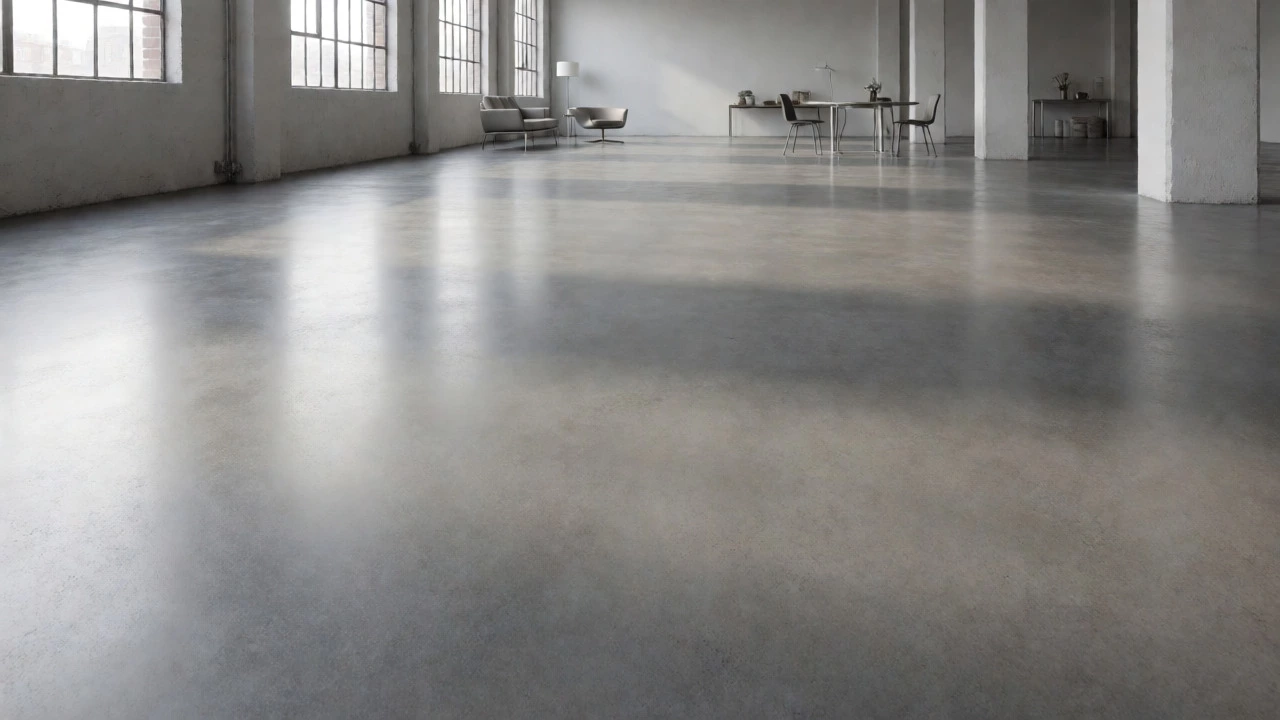
Once reserved for warehouses and garages, polished concrete is now a popular choice for modern homes. It consists of grinding down the concrete slab until it is smooth and then applying a densifier and sealer. Because there are no seams, no grout lines, and no joints, there is nowhere for dirt to hide. Dust simply sits on the surface, waiting to be swept away.
Cleaning polished concrete is arguably the simplest task of all. A dry microfiber mop picks up dust instantly. Wet mopping removes spills. No waxing, no sealing (if done correctly during installation), and no special tools. The main drawback is comfort. Concrete is cold and hard. In Vancouver’s damp climate, you might need radiant heating underneath to make it livable year-round. Also, while it is tough, it can crack if the foundation shifts, and those cracks are difficult to repair invisibly.
Why Hardwood Struggles with "Easy"
Natural hardwood is beautiful, but calling it "easy to keep clean" is misleading. Wood is porous. Spills must be wiped immediately, or they stain. Dirt and grit act like sandpaper on the finish, dulling the shine over time. You need specific pH-neutral cleaners. Oil-based soaps build up film. Water-based polyurethane finishes are easier to maintain than oil-based ones, but they still require care. If you love the look of wood but hate the upkeep, engineered wood offers slightly better stability against humidity changes, but it shares the same cleaning vulnerabilities.
| Flooring Type | Water Resistance | Scratch Resistance | Cleaning Effort | Best For |
|---|---|---|---|---|
| Luxury Vinyl Plank (LVP) | High (100%) | High | Very Low | Pet owners, busy families, basements |
| Porcelain Tile | High (with sealed grout) | Very High | Low (watch grout) | Kitchens, bathrooms, entryways |
| Laminate | Low (surface only) | Moderate-High | Low | Dry living areas, bedrooms |
| Polished Concrete | High | High | Very Low | Modern lofts, industrial spaces |
| Hardwood | Low | Low-Moderate | Moderate-High | Formal dining rooms, low-traffic zones |
Tools That Make Any Floor Easier
Even the easiest floor becomes a chore with the wrong tools. Ditch the string mop. It pushes dirty water around and leaves streaks. Instead, invest in a flat microfiber mop system. These pads trap dust and hair rather than scattering it. For vacuuming, ensure your machine has a brush roll shut-off switch. Beater bars scratch vinyl and laminate, kicking up fine dust that settles right back down.
Consider a robot vacuum if you have pets. Running it daily keeps hair accumulation manageable, meaning you only need to deep clean once a month. For spills, keep a spray bottle of diluted dish soap nearby. It cuts grease effectively without damaging most synthetic surfaces. Never use ammonia-based cleaners on vinyl or laminate, as they can degrade the protective layers over time.
Local Climate Considerations
Living in Vancouver means dealing with rain and humidity. This impacts your flooring choice. Natural wood expands and contracts with humidity changes, leading to gaps where dirt collects. Synthetic options like LVP and porcelain handle humidity fluctuations better. If you install carpet in humid climates, you risk mold growth underneath, which is hard to detect and harder to clean. Stick to hard surfaces for main living areas. Use rugs in high-traffic zones to catch mud from wet shoes, but choose washable synthetics or cotton blends that can go straight into the washing machine.
Choosing the right floor is a balance between aesthetics and reality. If you value your free time, prioritize materials that forgive mistakes. Vinyl plank remains the top recommendation for most homeowners because it combines durability with simplicity. It doesn’t demand perfection. It just asks for a quick wipe-down. And honestly, that’s all any of us should expect from our floors.
Is vinyl flooring safe for pets?
Yes, luxury vinyl plank is generally considered one of the best options for pet owners. It is waterproof, so accidents can be cleaned quickly without soaking into the subfloor. The surface is also resistant to claw scratches, provided the quality is decent. Just avoid very cheap vinyl, which may tear easily.
How do I keep tile grout clean?
The easiest way is prevention. Use epoxy grout during installation, as it is non-porous and stain-resistant. If you have traditional cement grout, seal it every 6-12 months. For cleaning, use a stiff-bristle brush and a mixture of baking soda and water. Avoid acidic cleaners like vinegar on unsealed grout, as they can erode the material.
Can I use a steam mop on laminate flooring?
Most manufacturers advise against using steam mops on laminate. The high heat and moisture can penetrate the seams, causing the fiberboard core to swell and warp. Always check your specific product’s warranty guidelines. A damp microfiber mop is safer and equally effective for routine cleaning.
Which floor is best for allergies?
Hard surfaces like vinyl, tile, and polished concrete are superior for allergy sufferers. Unlike carpet, they do not trap pollen, dust mites, or pet dander. Regular sweeping and damp mopping remove allergens completely. If you use area rugs, choose low-pile options that can be washed frequently.
Does polished concrete get slippery when wet?
It can be. Highly polished concrete has a glass-like surface that becomes slick when wet. To mitigate this, apply an anti-slip coating or choose a honed (matte) finish instead of a high-gloss polish. Using bath mats or runners in wet areas also helps improve traction.