Commercial Compliance Risk Assessor
Project Assessment
Quick Reference
Occupancy Groups:
- R-3 Residential (homes)
- B Business (offices)
- M Mercantile (retail)
- I Institutional
Key Requirements:
- ✓ Wider hallways (44"+)
- ✓ Fire suppression systems
- ✓ Commercial electrical panels
- ✓ Type III flooring minimum
- ✓ ADA compliance
Imagine spending months designing a sleek home office, only to have the city inspector shut you down because your electrical panel is rated for a living room, not a workspace. Or picture buying high-end carpeting that looks perfect in a showroom, but fails after three weeks of heavy foot traffic from clients. These scenarios happen more often than you might think. The phrase "not for commercial use" isn't just a warning label on a product box; it’s a legal boundary line drawn by zoning boards, insurance companies, and building code officials.
Understanding what falls outside the scope of commercial application is critical for anyone planning to repurpose a space, start a business from home, or invest in property development. Using residential-grade materials or ignoring commercial zoning laws can lead to massive fines, voided insurance claims, and even forced demolition. This guide breaks down exactly what is prohibited in commercial settings, why those restrictions exist, and how to navigate them without costly mistakes.
The Legal Boundary: Zoning and Occupancy Classifications
Before you buy a single bolt or hire a contractor, you need to understand the legal framework governing land use. In the United States, the International Building Code (IBC) is the primary model code adopted by most jurisdictions to regulate building safety and usage. The IBC categorizes buildings into different occupancy groups, ranging from Group R (Residential) to Group B (Business), M (Mercantile), and I (Institutional).
The core issue with "non-commercial" designation usually stems from mixing these groups. A single-family home is classified as R-3 occupancy. It has specific requirements for exit widths, fire resistance, and structural load bearing that are far less stringent than a Group B office space. If you convert a garage into a retail shop without reclassifying the occupancy, you are operating illegally. The structure itself may be sound, but it does not meet the egress requirements for the number of people expected in a commercial setting.
- Residential (Group R): Designed for sleeping units, low occupant load, and limited public access.
- Business (Group B): Offices, banks, and professional services requiring wider hallways and more exits.
- Mercantile (Group M): Retail stores with high pedestrian traffic and inventory storage needs.
Local zoning ordinances further restrict this. Even if a building code allows a conversion, the local municipality may prohibit commercial activity in a residential zone entirely. This is where the concept of "not for commercial use" becomes a geographic constraint rather than just a material one.
Materials That Fail Under Commercial Load
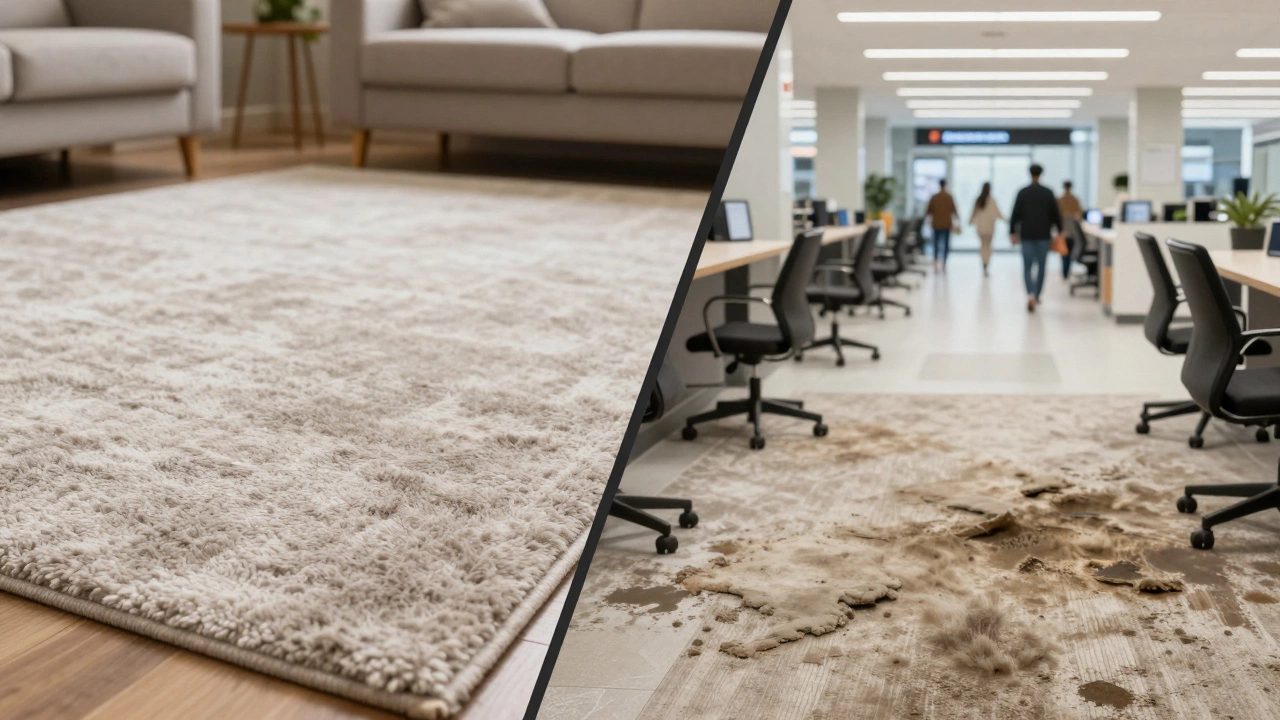
Not all products labeled "heavy duty" are suitable for commercial environments. Manufacturers design materials based on anticipated wear and tear. Residential flooring, for instance, is tested for light foot traffic. Commercial flooring must withstand rolling loads, high heels, and constant abrasion. Using residential carpet in a busy lobby will result in premature matting and staining, leading to frequent replacements and higher long-term costs.
| Material Category | Residential Standard | Commercial Requirement | Risk of Misuse |
|---|---|---|---|
| Flooring | Type I Carpet (Light Traffic) | Type III Carpet (Heavy Traffic) or LVT | Premature wear, voided warranty |
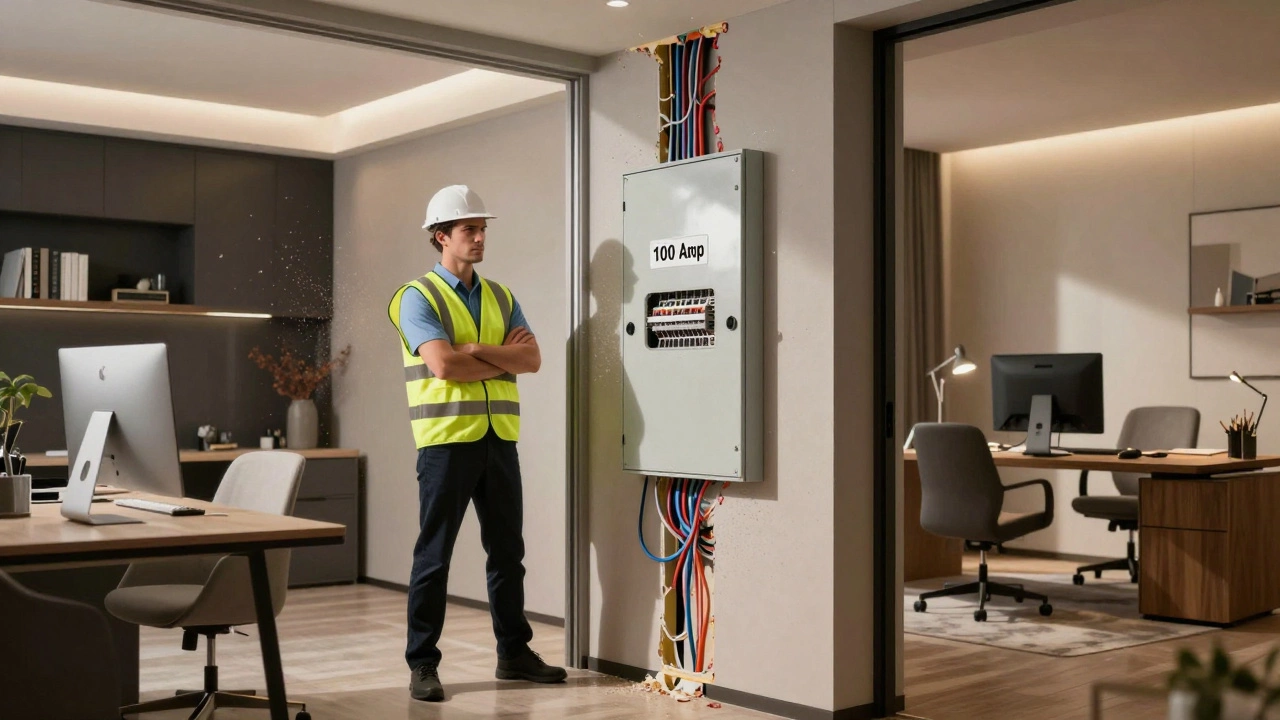
| Electrical Panels | 100 Amp Service | 200+ Amp Service with Commercial Breakers | Fire hazard, overloaded circuits |
| HVAC Systems | Residential Split System | Commercial Rooftop Unit (RTU) | Inefficient cooling, frequent breakdowns |
| Plumbing Fixtures | Standard Flush Valves | ADA Compliant, High-Cycle Fixtures | Code violation, maintenance issues |
Electrical systems are another major pitfall. Residential breakers are designed for intermittent high loads, like running an oven and a dryer simultaneously. Commercial spaces require continuous power for computers, lighting, and machinery. Using residential wiring in a server room or a manufacturing floor creates a significant fire risk. Insurance adjusters look specifically for these mismatches during claims investigations. If they find non-compliant electrical work, they can deny coverage entirely.
Fire Safety and Egress Requirements
One of the most dangerous areas where "not for commercial use" applies is fire safety. Residential buildings rely on smoke detectors and simple escape routes. Commercial buildings require complex fire suppression systems, sprinklers, and clearly marked emergency exits. The International Fire Code (IFC) mandates that commercial spaces have automatic sprinkler systems if they exceed certain square footage thresholds, whereas many residential homes do not.
Consider the hallway width. In a house, a 36-inch wide corridor is acceptable. In a commercial office, that same corridor might need to be 44 inches or wider to accommodate wheelchairs and allow for rapid evacuation during an emergency. If you install commercial-grade doors on residential frames, you create a bottleneck that violates life-safety codes. Inspectors will fail the building immediately if egress paths do not match the occupancy classification.
Insurance Implications and Liability
Your insurance policy is likely the first document that defines what is not for commercial use. Homeowners insurance policies explicitly exclude business activities. If you run a consulting firm out of your living room and a client slips on your rug, your homeowners policy will not cover the liability claim. You need a separate commercial general liability policy. But here’s the catch: if you haven’t upgraded your physical infrastructure to commercial standards, the commercial insurer may also deny the claim due to "failure to maintain safe premises."
This double jeopardy scenario forces property owners to make clear choices. Either keep the space strictly residential, or fully convert it to commercial compliance. Half-measures, like adding a desk but keeping the residential electrical panel, leave you exposed to financial ruin in the event of an accident. Documenting every upgrade and obtaining certificates of occupancy is essential for maintaining valid insurance coverage.

Navigating Home-Based Business Restrictions
Many entrepreneurs try to blur the lines between home and office. While some cities allow home-based businesses, they come with strict limitations. Typically, no more than 25% of the home’s square footage can be used for business purposes. There can be no signage visible from the street, no customer parking in the driveway, and no change in the character of the neighborhood. These rules preserve the residential nature of the area while allowing small-scale economic activity.
If your business involves clients visiting regularly, you likely need a commercial lease or a mixed-use zoning permit. Attempting to host daily client meetings in a purely residential zone can result in noise complaints and zoning violations. Understanding these nuances helps you avoid legal battles with neighbors and city planners. Always check with your local planning department before signing a lease or purchasing a property intended for hybrid use.
Steps to Ensure Compliance Before Building
Avoiding the pitfalls of non-commercial use starts with planning. Follow these steps to ensure your project meets all legal and safety standards:
- Check Zoning Maps: Visit your local planning department website to verify the zoning classification of your property. Look for permitted uses and conditional uses.
- Consult a Code Official: Schedule a pre-application meeting with the building inspector. Ask specifically about occupancy changes and required upgrades.
- Hire Licensed Professionals: Use architects and engineers who specialize in commercial projects. They know the difference between residential and commercial load calculations.
- Verify Product Ratings: When purchasing materials, ask suppliers for the commercial rating. Look for labels like "Commercial Grade" or "Heavy Duty."
- Update Insurance: Notify your insurance provider about any business activities. Obtain a commercial policy if necessary.
Taking these proactive steps saves time and money in the long run. Retrofitting a building to meet commercial codes after construction begins is exponentially more expensive than designing for compliance from the start.
Can I use residential HVAC in a small office?
It depends on the size and usage. Small offices under 5,000 square feet may sometimes qualify for residential-style split systems under certain amendments to the International Mechanical Code. However, larger spaces or those with high heat loads from equipment require commercial rooftop units (RTUs) for efficiency and durability. Always consult a licensed HVAC engineer to determine the correct system type.
What happens if I get caught using non-commercial materials?
Consequences vary by jurisdiction but can include stop-work orders, fines, and mandatory removal of the non-compliant materials. In severe cases, such as fire safety violations, the building may be condemned until repairs are made. Insurance claims related to incidents caused by non-compliant materials will likely be denied.
Is there a difference in plumbing fixtures for commercial use?
Yes. Commercial plumbing fixtures must be ADA compliant, meaning they have specific reach ranges and clearance dimensions. They also need to handle higher usage cycles. For example, commercial toilets often use flushometers instead of tank systems to prevent vandalism and ensure consistent performance in high-traffic restrooms.
Do I need a certificate of occupancy for a home office?
If you are merely working from home without changing the structure or bringing in clients, you typically do not need a new certificate of occupancy. However, if you modify the space significantly or conduct regular client visits, you may need to apply for a change of use permit and a new certificate to ensure the space meets commercial safety standards.
How do I know if my flooring is commercial grade?
Look for the manufacturer's specification sheet. Commercial carpet should be rated Type III, indicating it can withstand heavy traffic. Vinyl plank flooring should have a wear layer of at least 20 mils for commercial applications. Ask your supplier directly for the product's intended use classification.