US Storage Terminology Decoder
1. Describe Your Storage
Standard Depth Guide
- 24 Inches Standard Closet/Wardrobe
- 3-4 Feet Typical Dresser
- 8 Feet Built-in Height
Result: Loading...
Description loading...
Estimated Dimensions & Features
| Metric | Typical Specification |
|---|---|
| Mobility | -- |
| Primary Use | -- |
| Tips | -- |
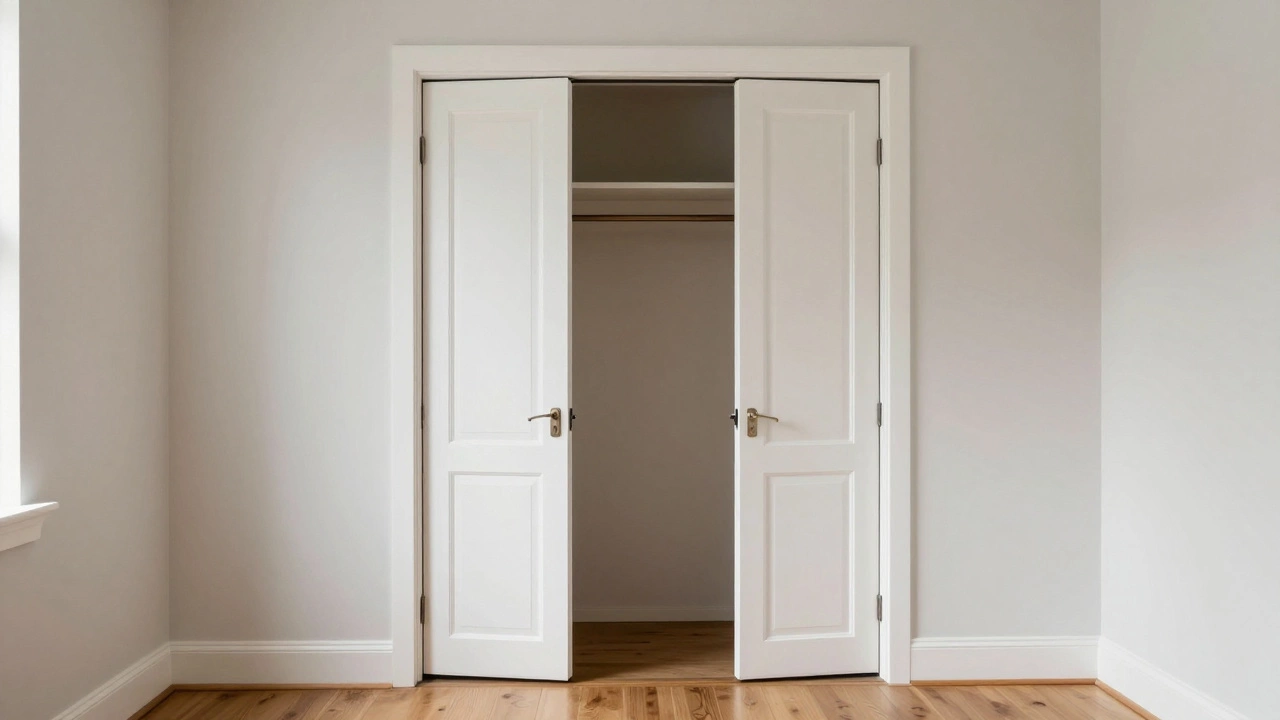
You walk into a real estate listing in Chicago, and the agent says the master suite has a huge "closet." You look over your catalog in London, and the label reads "wardrobe." Same function, different names. If you are moving furniture across borders or trying to buy online, this terminology gap causes real confusion. In short, if it is built into the wall, Americans call it a closet. If it stands alone as a piece of furniture, they call it a wardrobe.
This distinction isn't just semantics; it dictates how you shop, measure your space, and organize your clothes. A lot of people think these terms are interchangeable, but in the United States market, mixing them up means returning products because they do not fit. The architecture of American homes favors built-ins, while European markets lean toward standalone pieces. Understanding the nuance saves money and headaches.
The Fundamental Difference: Fixed vs. Mobile Storage
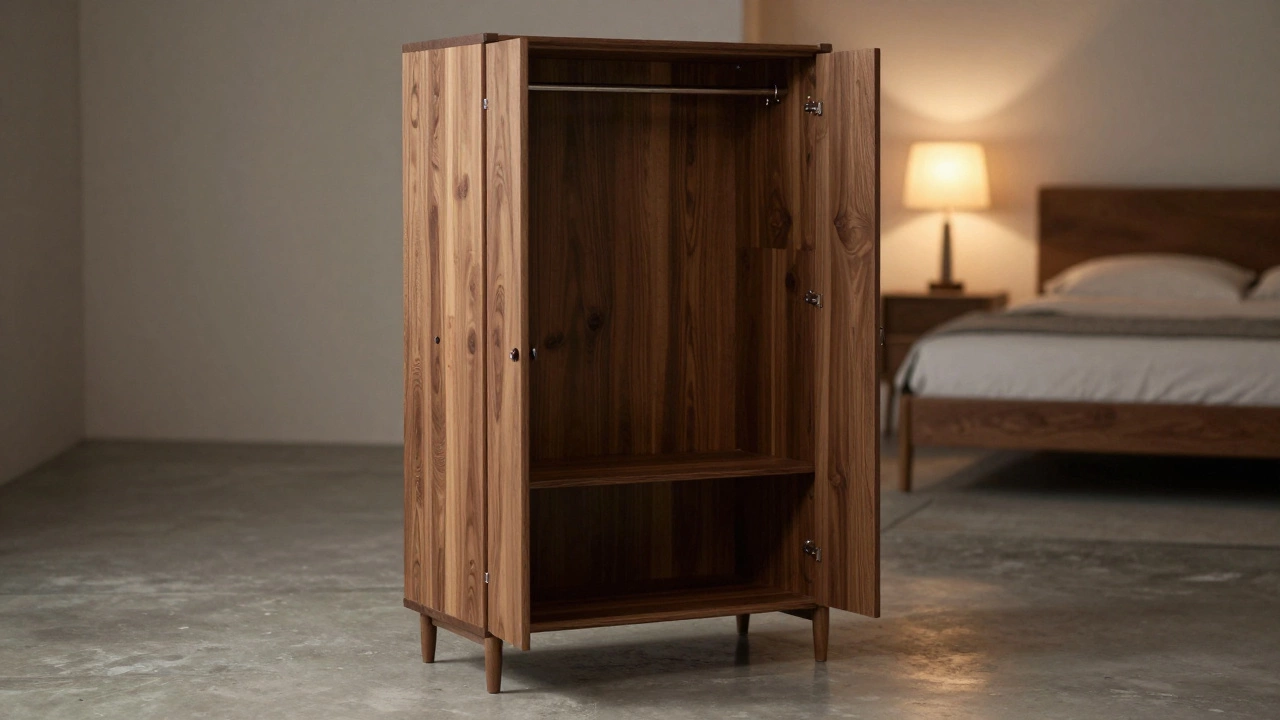
To understand the naming convention, you have to look at construction. The central entity here is the Wardrobea tall free-standing cabinet used for storing clothing, often equipped with shelves, drawers, and hanging rods.. In North America, the word "closet" refers almost exclusively to a recessed space framed by drywall or studs within the house structure. You cannot move a closet without major demolition.
When someone in California mentions their "bedroom wardrobe," they are often talking about a large wooden cabinet brought in from outside. However, if you ask where they hang their coats, most will point to the corner of the room where the door opens into the enclosed space. This built-in nature is the defining characteristic of the American "closet." It utilizes vertical space inside the building envelope, whereas the wardrobe occupies floor space.
The implications for buyers are massive. If you see a listing with "walk-in closets," expect a small room. If you see "wardrobes" in a rental inventory, expect a piece of furniture that might stay when you leave. Real estate agents rarely list "wardrobes" as fixtures unless the home includes high-end custom cabinetry that was sold with the property.
Common Terms You Will Hear Across America
While "closet" is the dominant term for built-ins, there are several related entities that define specific shapes of storage. An Armoirean antique-style cupboard originally for armor, now used as a large tall storage cabinet. is the closest synonym to a traditional British wardrobe. Historically, this meant a metal case for weapons. Today, it describes a wide, decorative cabinet often used for clothes or media centers.
You will also hear the term "linen cupboard" or simply "dresser." These differ mainly by height and primary function. A dresser is waist-high and focuses on folding clothes with drawers. A wardrobe focuses on hanging garments with a rod. When shopping online in the US, searching for "armoire" yields better results for tall chests than "wardrobe" does, even though international buyers would type the latter.
| Term | Type | Typical Height | Mobility | Primary Use |
|---|---|---|---|---|
| Closet | Built-in | Ceiling High | Fixed | All Clothing |
| Wardrobe | Furniture | 5-6 Feet | Movable | Hanging Clothes |
| Armoire | Furniture | 5-6 Feet | Movable | Clothes/Media |
| Dresser | Furniture | 3-4 Feet | Movable | Folded Items |
| Walk-in | Room | Standard Ceiling | Fixed | Large Capacity |
Why the Naming Drift Occurred
The history of housing explains why these names vary. In older UK cities, apartments were narrow rooms filled with heavy furniture. People bought tall wooden chests to store linens and clothes because walls were too expensive to enclose spaces. In the US post-war era, specifically from the 1920s through the 1950s, suburbs expanded. Builders realized creating a small walled-off alcove was cheaper than importing solid timber cabinets for every buyer.
This shift created the cultural reliance on the "closet." By the time the modern minimalist aesthetic arrived in 2026, most American rentals assume you already have a built-in. If you rent in Manhattan, however, you might find a unit with zero built-ins, forcing you to buy a wardrobe. This creates a confusing market where availability dictates language.
For homeowners today, knowing the difference helps during renovations. Adding a "built-in wardrobe" is technically constructing a closet wall. Calling it a wardrobe makes contractors suspicious, thinking you want a portable piece. Clarity here prevents bid discrepancies. Specify "cabinetry" for built-ins and "case goods" for furniture pieces.
Dimensions That Define the Pieces
Measuring your space requires understanding the physical constraints of these entities. A standard American closet depth is typically 24 inches. This allows a hanger rod to sit inside while leaving room for clothes behind the door. If you are buying a freestanding wardrobe, you should measure at least 24 to 26 inches to ensure compatibility with standard plastic hangers. Anything less cramps your elbows when opening the doors.
Height is another critical metric. Standard ceilings are 8 feet. A built-in closet goes all the way up, utilizing overhead space for seasonal bins. Freestanding wardrobes top out around 5 to 5.5 feet visually because taller ones look unstable in standard rooms. When shopping, ignore "tallboy" marketing terms unless you have vaulted ceilings.
In 2026, smart storage solutions integrate technology into these dimensions. Smart wardrobes exist now, featuring digital lighting strips controlled via app. While mostly niche, these units follow the same footprint rules. Even a high-tech Walk-in Closeta dedicated room designed specifically for garment storage. follows the grid of standard shelving widths.
Buying Advice for Different Living Spaces
If you live in a studio apartment, you likely lack a built-in option. This scenario demands a wardrobe solution. Look for brands like IKEAa Swedish multinational company specializing in affordable ready-to-assemble furniture. PAX systems. They are modular. You can extend them vertically to mimic a closet feel. The key advantage is modularity versus fixed space. You can reconfigure the interior rails without drilling holes in drywall.
However, for larger homes, investing in custom cabinetry remains superior. Materials matter here. Melamine is cheap but scratches easily in high-traffic zones. Solid wood lasts longer but costs significantly more per square foot. Paint quality dictates longevity. White painted finishes dominate US listings currently due to the neutral tone requirement of modern design trends in 2026.
Another consideration is the hardware mechanism. Bi-fold doors are common in closets to save space. For freestanding wardrobes, French doors are stylish but require clearance space in front. Sliding doors work best for tight corridors or dorm settings. Always test the swing range before purchasing to ensure the bed or desk doesn't get blocked.
Organization Strategies Beyond the Name
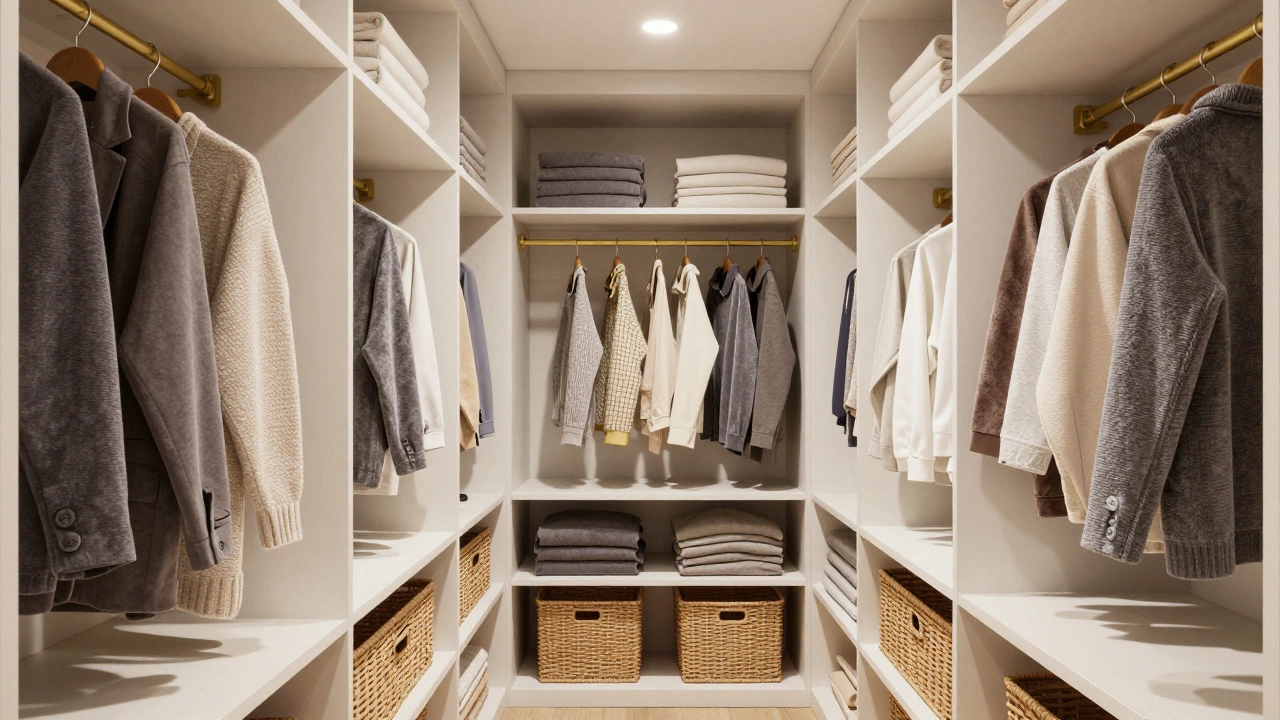
Naming the unit is easy; organizing the contents is the hard part. Regardless of whether it is called a closet or a wardrobe, the internal layout should prioritize accessibility. The golden zone principle applies to all storage: keep daily wear within arm's reach. Shelves above eye level are for storage, not access.
Investing in accessories transforms any unit into a functional space. Velvet hangers are essential for saving space compared to wire ones. Baskets allow for visual grouping of accessories. Pull-out trays add functionality to deep shelves. Brands like Knoll or local custom builders often provide these add-ons. If you are using a flatpack unit from a big-box retailer, you may need third-party organizers made of tension rods.
Ventilation is often overlooked. American closets are often sealed tightly. In humid climates like Florida or Vancouver, this leads to mold growth on fabrics. Installing a small dehumidifier fan or ensuring gaps under doors exist helps airflow. This is particularly important for winter wool coats stored seasonally.
Regional Variations in Terminology
Even within the US, slang shifts. In some parts of the South, a chest might be referred to as a trunk for large storage, evoking historical travel gear. In urban centers like New York City, "storage unit" implies renting space off-site, separate from the home. Knowing these local dialects helps when communicating with movers or handymen.
Real estate documents sometimes confuse things further. A "dressing area" might appear in a contract, which could imply a large closet or a vanity setup. Clarifying this before signing prevents assumptions about included furniture. Tenants often assume "finished laundry closet" means hookups, not just a shelf.
The internet accelerates these shifts. Online marketplaces like Wayfair or Amazon mix British and American terms based on global sourcing. A product description might use "cupboard" for a drawer chest. Reading user reviews gives you the local reality check. Buyers complain immediately if a "wardrobe" is too short to stand a coat rack upright.
Is a wardrobe the same as a closet?
No, they are functionally similar but structurally different. A closet is a built-in space within the walls of a room. A wardrobe is a movable piece of furniture you can buy and move. In the US, people default to calling built-ins closets.
What is an armoire called in 2026?
It is still called an armoire. However, many retailers now label them as "TV Cabinets" or "Media Units" because of dual-purpose designs. True armoires remain popular for vintage lovers wanting a classic wooden storage style.
How much space does a wardrobe take?
Standard freestanding wardrobes are roughly 24 inches deep, 32 inches wide, and 5 feet tall. Double units can extend to 64 inches wide. Measure your floor plan before ordering to ensure door clearance.
Can I convert a closet to a wardrobe?
Technically, you can remove the closet walls to install a freestanding wardrobe, but this is structural demolition. It is easier to replace the doors with curtains or glass fronts to open the space up while keeping the internal shell intact.
Are built-in closets considered personal property?
Yes, built-in closets are considered part of the real estate, known as real property. They transfer with the house sale. Free-standing wardrobes left in a house are technically personal property unless specified as fixtures in the purchase agreement.