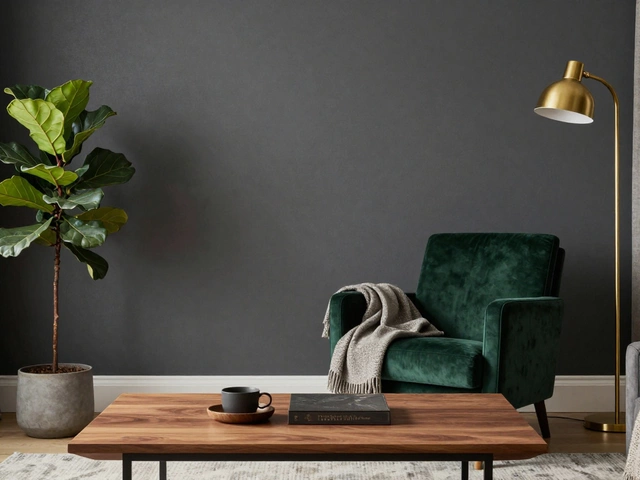
Wall Covering Alternatives: Find the Perfect Finish for Any Room
When working with Wall covering alternatives, any material or technique you use to dress a wall beyond plain drywall. Also known as wall finishes, it lets homeowners and designers swap out paint for something with more texture, pattern, or durability. If you're hunting for wall covering alternatives, you’ll quickly see that the choice shapes a room’s mood, protects surfaces, and can even boost resale value.
What Makes a Good Alternative?
Choosing the right option hinges on three factors: purpose, budget, and maintenance. A bathroom that needs moisture resistance will lean toward tile or water‑proof wallcoverings, while a living room craving visual drama might opt for bold wallpaper. The same logic applies to paint: high‑gloss finishes hide dents, matte tones soften glare. In short, wall covering alternatives encompass wallpaper, paper‑based designs that range from classic repeats to modern 3‑D textures, paint, pigmented coatings available in countless hues and sheens, and even fabric‑based solutions like curtains that double as decorative panels. Each brings a different set of attributes—material, install method, lifespan—that influence the final look.
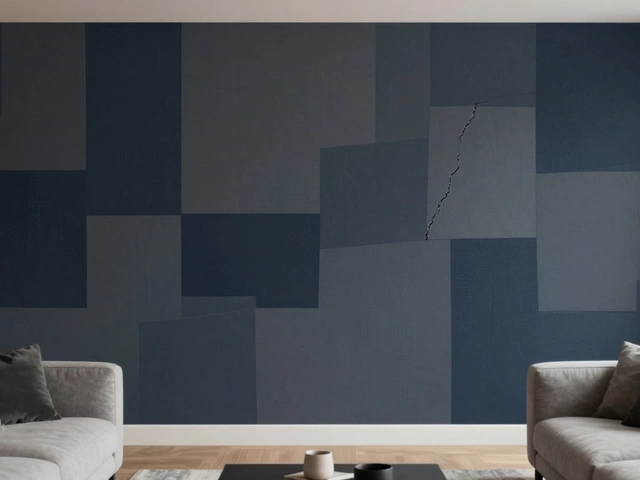
Another key player is texture. Wall texture, whether achieved with plaster, joint compound, or specialty panels, adds depth without the clutter of pattern. It’s especially popular in coastal homes where a subtle sand‑like finish echoes the surroundings. Texture also hides minor imperfections, making it a practical choice for older properties. So, the ecosystem of alternatives includes wall texture, techniques that create raised or smooth surfaces on walls alongside the more traditional options.
Design trends heavily influence which alternative gains traction. For example, 2024 saw a surge in bold, saturated wallpaper paired with matte paint accents—a move toward layered visual interest. Meanwhile, sustainable fabrics are pushing curtains into the wall‑covering conversation, as they add softness, improve acoustics, and can be swapped out seasonally. When interior design trends intersect with functional needs, you often end up mixing several alternatives in a single space: a painted hallway leading to a wallpapered accent wall, framed by a textured niche.
Practical considerations matter too. Installation costs vary: wallpaper can be DIY‑friendly for small rooms but may require professional help for large, patterned runs. Paint is generally the cheapest per square foot but needs proper prep to avoid peeling. Textured walls often need specialist tools, raising labor expenses. Maintenance differs as well—paint chips can be touched up, wallpaper seams may need resealing, and fabric curtains might need occasional cleaning. Balancing these factors helps you avoid costly regrets later.
Beyond aesthetics, the right alternative can improve a home’s performance. Moisture‑resistant wallcoverings protect against mold in kitchens and bathrooms, while acoustic‑friendly fabrics reduce echo in open‑plan living areas. Energy‑saving paint reflects heat, potentially lowering heating bills. These functional benefits show why many homeowners treat wall covering choices as part of a broader renovation strategy rather than a simple cosmetic tweak.
Below you’ll find a curated collection of articles that dive deeper into specific upgrades, budgeting tips, and style ideas. Whether you’re planning a full remodel or just a quick refresh, the posts cover everything from high‑ROI bathroom upgrades to the latest curtain color trends, giving you the tools to pick the right wall covering alternative for your project.
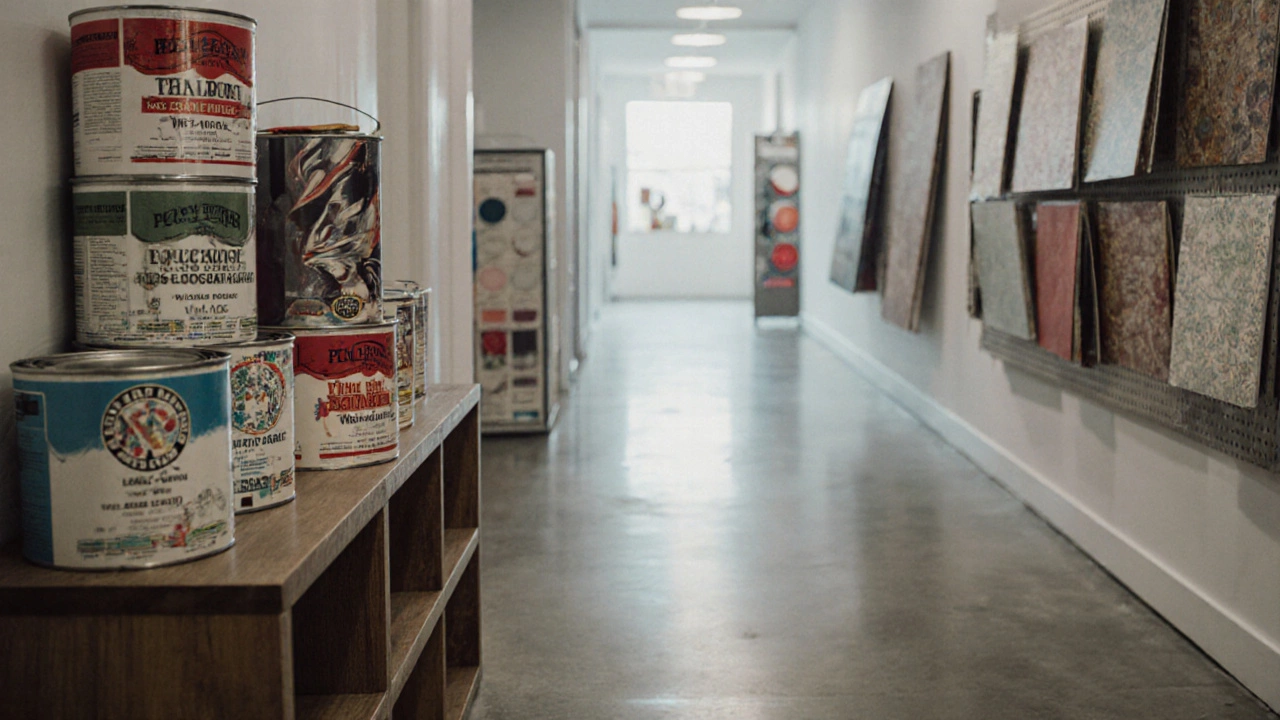
Why Wallpaper Lost Its Shine: Modern Wall‑Covering Trends Explained
Explore why wallpaper fell out of favor, discover modern wall‑covering alternatives, and learn how to choose the right finish for today’s homes.
full article