Foundation Failure: Signs, Causes, and How to Fix It Before It Costs You Thousands
When a home’s foundation failure, the structural breakdown of a building’s base that leads to shifting, cracking, or sinking. It’s not just a repair job—it’s a warning that your home’s core is under stress. Many people ignore early signs until walls crack or doors won’t close. But foundation failure doesn’t happen overnight. It’s the result of water, soil movement, poor construction, or time—often all together.
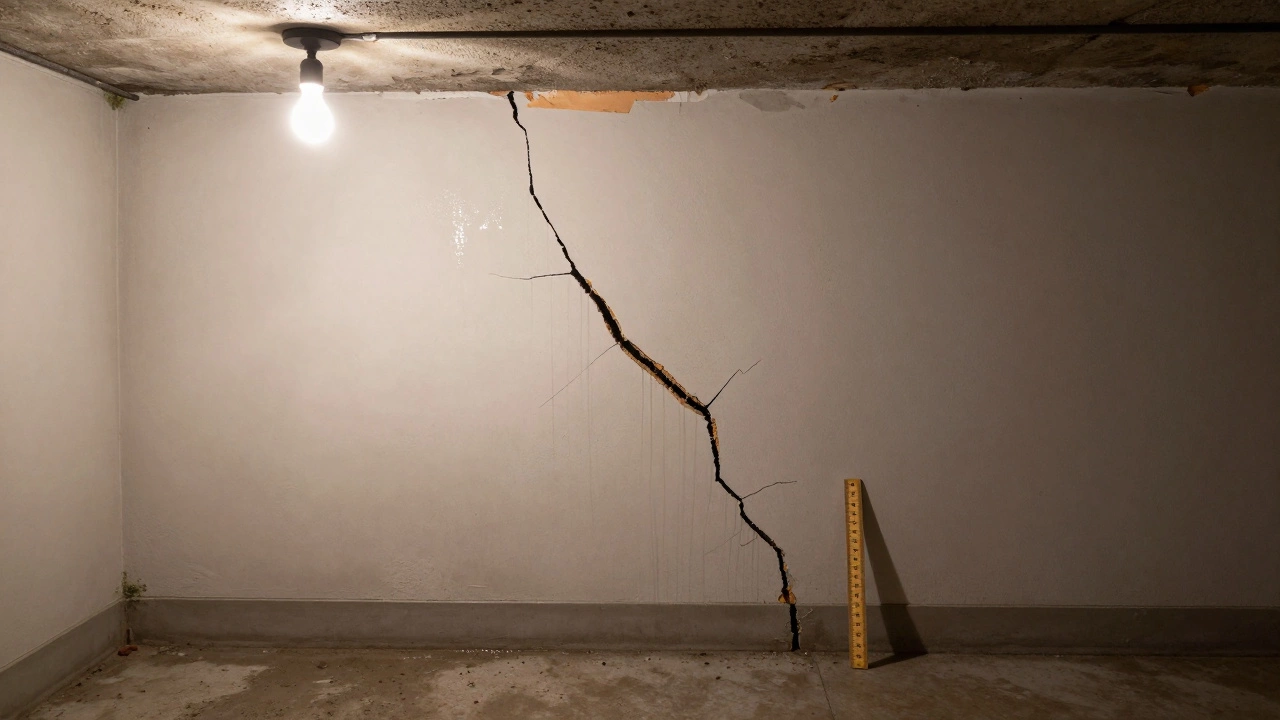
One of the most common triggers is water damage, moisture that weakens soil under the foundation or seeps into cracks, causing pressure and erosion. Think about it: if your basement leaks every time it rains, that’s not just a damp spot—it’s a slow-motion collapse waiting to happen. And foundation cracks, visible splits in concrete or masonry that can range from harmless hairline lines to dangerous horizontal splits. aren’t all the same. A vertical crack might be normal settling. A horizontal crack? That’s a red flag. It means the wall is bending under pressure from outside soil—often from poor drainage or heavy clay that swells when wet.
What you see on the surface—like crooked door frames or gaps around windows—is just the tip. The real problem is what’s happening below. foundation repair cost, the price range for fixing structural issues, which can vary from $1,500 for minor crack sealing to $15,000+ for steel beam installation. depends on how far it’s gone. Fixing a small leak from the inside is cheaper than tearing up your yard to install exterior drainage. But if you wait too long, you’re not just paying for repairs—you’re paying for lost value. Homes with unaddressed foundation issues sell for 10-25% less.
You don’t need to panic if you spot a crack. But you do need to act. The difference between a $2,000 fix and a $15,000 overhaul often comes down to timing. That’s why so many of the posts here focus on early detection: how to measure a crack, when to call a pro, what DIY fixes actually hold up, and how to stop water before it becomes a problem. You’ll find real advice on carbon fiber straps, interior drainage systems, and why sealing cracks alone won’t solve the root cause.
This isn’t about scare tactics. It’s about knowing what’s normal and what’s dangerous. Whether you live in a 1920s brick house or a 2020s new build, your foundation is working hard to keep you safe. Ignoring it won’t make the problem go away—it’ll just make it worse. The posts below give you the facts, the costs, and the simple steps to protect your home before it’s too late.
What Happens If You Don't Fix a Foundation Crack? Real Consequences in Vancouver Homes
Ignoring a foundation crack can lead to water damage, mold, structural failure, and major financial loss. In Vancouver’s climate, even small cracks worsen quickly-here’s what happens if you don’t act.
full article