DIY Table Makeover: Fresh Looks for Old Tables
When working with DIY table makeover, the process of converting a tired or plain table into a personalized, stylish piece using simple, affordable methods. Also known as table upcycling, it lets you revitalize furniture without splurging on new items. Imagine a kitchen table that once creaked now becoming the centerpiece of your dining room – that’s the power of a makeover.
One of the first things you’ll encounter is furniture restoration, the practice of repairing, cleaning, and preparing old furniture for a new look. It’s the backbone of any table transformation because a solid base makes every later step shine. Restoration often means tightening loose legs, filling dents, and removing old finishes. When you restore, you set the stage for a flawless finish.
Key Steps for a Successful Table Transformation
After the base is solid, the next crucial element is paint finishes, the coatings you apply to give colour, texture, and durability to a piece of furniture. Whether you choose matte chalk paint, glossy latex, or a distressed milk paint, the finish defines the table’s personality. Paint finishes influence the final look of a DIY table makeover, and picking the right type can mean the difference between a modern vibe and a vintage charm.
Before any paint touches the wood, you need proper sanding, the act of smoothing a surface with abrasive paper to prepare it for finishing. Sanding removes old layers, evens out imperfections, and creates a surface that absorbs new paint or stain evenly. Good sanding is essential because furniture restoration requires a clean canvas; skip it, and you risk peeling or uneven colour.
Once the paint dries, a protective topcoat such as a clear polyurethane sealant locks in the colour and guards against spills and scratches. This finish acts like a shield, extending the life of your handiwork. Pairing a sturdy topcoat with proper sanding ensures the makeover lasts for years, not just months.
All these steps—restoration, sanding, choosing the right paint finishes, and applying a protective seal—tie together into a cohesive process. The relationship is simple: DIY table makeover encompasses furniture restoration, which requires sanding, and the paint finishes you select shape the final outcome. By following this roadmap, you’ll go from a dated table to a statement piece that reflects your style.
Now that you understand the core components, the articles below will walk you through each stage in detail, offering tool lists, colour ideas, and step‑by‑step guides. Dive in to discover practical tips, common pitfalls, and creative inspiration for your next table transformation.
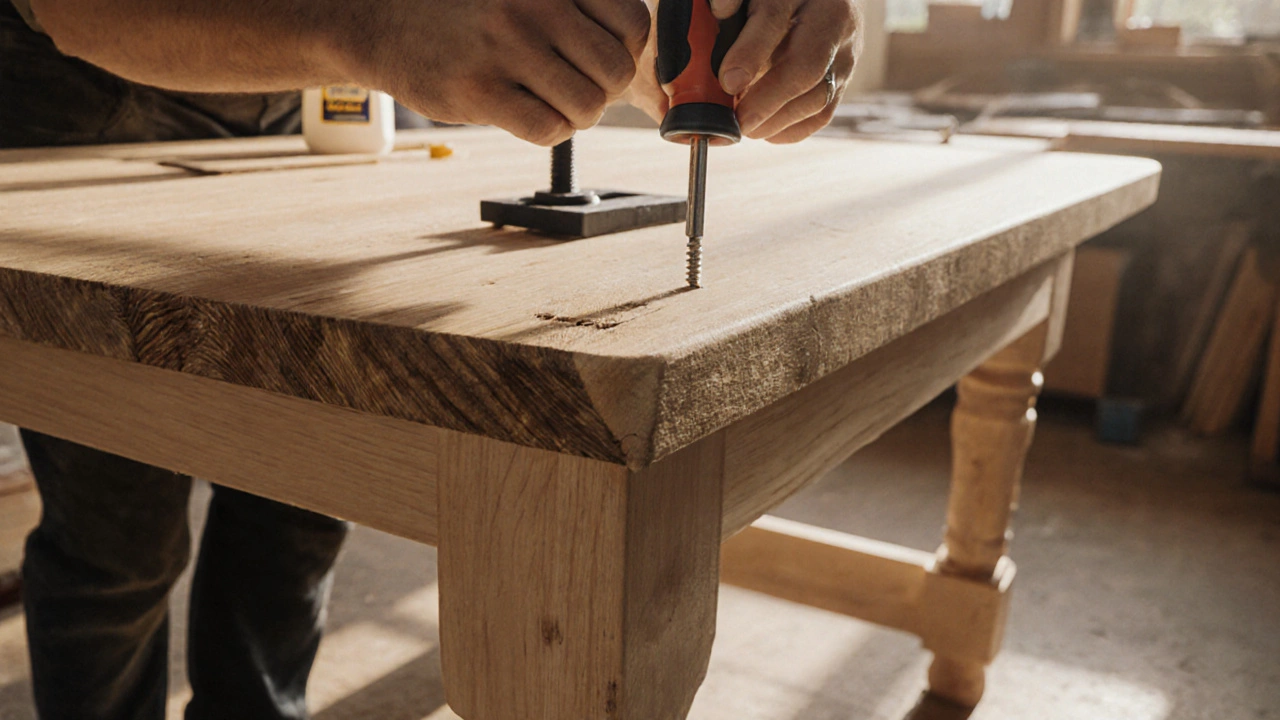
How to Modernize an Old Table: A DIY Guide to Fresh Looks
Learn how to transform an old table into a modern centerpiece with step-by-step DIY tips, finish options, hardware upgrades, budget advice, and maintenance tricks.
full article