Basement Waterproofing – Keep Your Home Dry and Secure
When dealing with basement waterproofing, the process of stopping water from entering a below‑ground space. Also called basement damp proofing, it protects walls, floors and stored items from costly damage. Basement waterproofing encompasses foundation drainage, systems that direct groundwater away from a building’s footings, sump pumps, electric devices that collect and expel water from interior sumps, and a moisture barrier, a waterproof sheet or coating that blocks moisture migration through walls and floors. Effective waterproofing requires an understanding of how each component influences the others, and together they create a dry, stable basement environment.
Key Strategies for Effective Waterproofing
The first step is assessing the site. A proper inspection reveals cracks, hydrostatic pressure points, and existing drainage issues. Once you know the problem areas, you can choose the right basement sealing, sealants or coatings applied to walls and floors to fill gaps and prevent water penetration. Sealants work best when paired with a functional exterior drainage system—like French drains or surface grading—that guides water away before it reaches the foundation. Inside the basement, a sump pump installed in a pit collects any water that still seeps through, then pushes it out through a discharge pipe. Regular maintenance of the pump, including checking the float switch and cleaning the inlet screen, keeps the system reliable when heavy rains hit.
Another critical element is the moisture barrier. Modern barriers are often self‑adhesive membranes that wrap around exterior walls before backfilling, or interior liquid‑applied membranes that coat the entire interior surface. Both types act as a rain‑guard, stopping water that squeezes through concrete pores. When you combine a barrier with proper foundation drainage, you reduce the pressure that forces water into cracks, thereby extending the life of your sealants and the structural integrity of the wall.
Finally, don’t overlook ventilation and humidity control. Even with perfect waterproofing, a basement can become damp if moisture stays trapped. Installing a dehumidifier or ensuring adequate airflow helps keep relative humidity low, preventing mold growth and preserving stored items. By treating waterproofing as a system—drainage, pumps, barriers, sealing, and airflow—you create a resilient defense that saves money and stress over the long run.
Now that you understand the core pieces of a solid waterproofing plan, the articles below will walk you through each step, provide real‑world examples, and give you the tools you need to keep your basement dry for years to come.
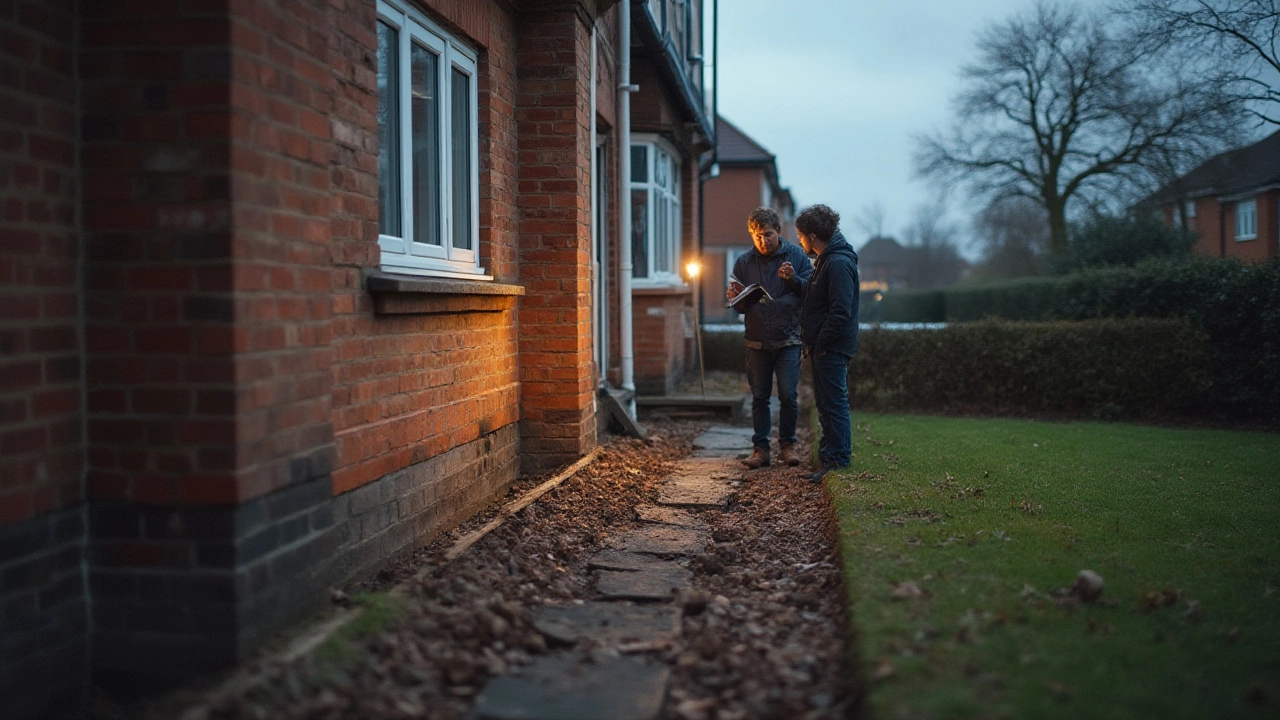
Are Horizontal Foundation Cracks Dangerous? What Homeowners Need to Know
Learn how serious horizontal foundation cracks can be, what causes them, how to spot warning signs, and what steps you can take for repairs or prevention.
full article