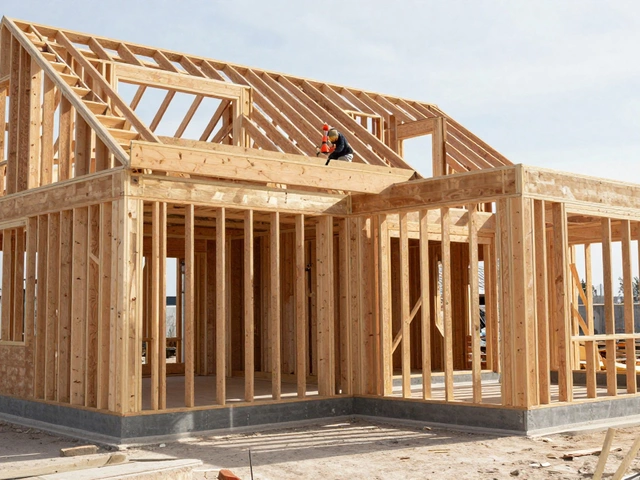
Adding a Second Story: What You Need to Know Before You Start
When you adding a second story, the process of expanding a single-story home upward to create extra living space. It’s not just about putting on another floor—it’s about rethinking your home’s structure, budget, and daily life during construction. Many homeowners in the UK choose this route instead of moving, especially in areas where land is tight or property prices are high. Unlike buying a bigger house, adding a second story lets you keep your garden, neighborhood, and street address—while gaining square footage that can boost your home’s value by 10-20%.
This kind of project loft conversion, a related but different type of vertical expansion that turns unused attic space into usable rooms is common, but it’s not the same as building a full second story. A loft conversion works only if your roof has enough headroom and structural support. structural renovation, the process of reinforcing or rebuilding load-bearing elements to support added weight is required for most second-story additions. That means your walls, foundation, and floors might need upgrades before you even lay the first beam. In older homes, this often means dealing with outdated brickwork, timber frames, or uneven settling—issues you won’t see until the old roof comes off.
You’ll also need to plan for building permits, official approvals from local authorities that ensure your project meets safety and zoning rules. In the UK, not every extension needs full planning permission, but adding a second story almost always does. Your local council will look at height limits, neighbor impact, and how it fits with the street’s character. Skipping this step can lead to fines, forced removal, or trouble selling later.
Most people underestimate how messy and disruptive this is. Dust, noise, and restricted access to your home can last weeks—even months. You’ll need to move out of the affected areas, or plan for temporary living setups. And while the end result is often worth it, the timeline rarely matches what the contractor promises. Real projects take longer because of weather delays, material shortages, or hidden structural problems.
What you’ll find in the posts below are real examples from people who’ve gone through this. You’ll see how others handled foundation checks, picked materials that matched their home’s style, and worked with contractors who actually delivered. Some added bedrooms. Others turned the extra space into a home office or guest suite. A few even turned their second story into a rental unit. Each story is different, but they all share one thing: they didn’t guess. They planned. They asked questions. And they learned from what went wrong—and what went right.
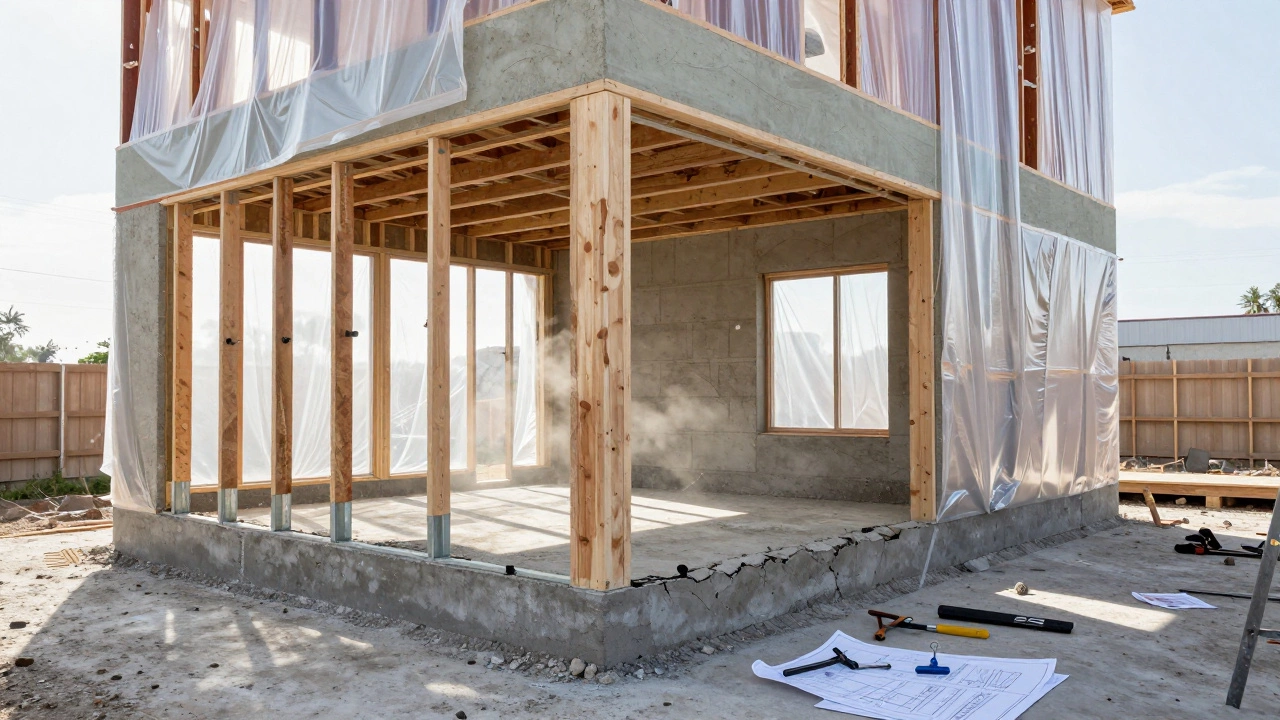
Is It Cheaper to Build Up or Expand Your House?
Building up or expanding outward? Learn the real costs, hidden expenses, and key factors that make one option significantly cheaper than the other for home additions in 2025.
full article