Sofa Bed Buyer's Assistant
Find the perfect sofa bed for your space and budget by answering a few quick questions.
Buying a sofa bed is usually a compromise. You want something that looks good in your living room but also sleeps comfortably enough for guests-or maybe even yourself. Most people end up with one of two disasters: a couch so stiff it hurts your back, or a mattress so thin you wake up feeling like you slept on the floor. It doesn't have to be that way.
Choosing a good sofa bed isn't just about picking the color that matches your curtains. It’s an engineering puzzle involving weight distribution, hinge mechanics, and foam density. If you get the specs right, you’ll have a piece of furniture that serves double duty without sacrificing comfort in either role. Here is how to navigate the market without getting ripped off by cheap mechanisms or misleading marketing terms.
The Mechanism Matters More Than the Fabric
Before you look at the style, you need to understand how the thing opens. The mechanism determines how easy it is to use, how long the bed will last, and whether it will eat your floorboards. There are three main types you will encounter in stores today.
Click-Clack (or Futon) mechanisms are the simplest. You pull a lever, and the backrest folds down flat. They are cheap and lightweight, but they rarely offer true orthopedic support. The gap between the seat and the back can be uncomfortable unless there is a thick cushion filling it. These work best for occasional naps, not overnight stays.
Pull-Out Sleeper Sofas are the classic choice. A metal frame slides out from under the cushions, and you unfold the mattress sections. This provides a larger sleeping surface and better support because the mattress rests on a solid base. However, they are heavy, harder to move, and require more floor space when fully extended. Look for models with smooth-gliding rails; if it sticks when you try it in the store, skip it.
Wall Beds (Murphy Beds) fold up into a cabinet. These are ideal for tiny apartments where every square foot counts during the day. They often come with built-in shelving or desks. The downside is installation complexity and higher cost. They aren't really "sofas" in the traditional sense, but they solve the same problem: sleeping in a small space.
| Feature | Click-Clack / Futon | Pull-Out Sleeper | Wall Bed |
|---|---|---|---|
| Comfort Level | Low to Medium | High | Very High |
| Ease of Use | Easy (One person) | Medium (May need help) | Medium (Gas struts help) |
| Sleeping Surface Size | Twin or Full | Full or Queen | Queen or King |
| Price Range | $300 - $800 | $800 - $2,500+ | $1,500 - $4,000+ |
| Durability | Short-term | Long-term | Very Long-term |
Mattress Quality: Don't Ignore the Sleeping Layer
This is where most buyers make their biggest mistake. They judge the sofa by its cushions and forget that the mattress inside is often compressed to fit the frame. When a manufacturer squeezes a mattress into a narrow box, the foam loses some of its resilience. Over time, this leads to sagging.
Look for the thickness of the mattress. Anything less than four inches is likely too thin for adult sleepers. Five to six inches is the sweet spot for most pull-out sofas. Check the material composition. Memory foam conforms to your body but can retain heat. Innerspring coils provide bounce and airflow but might feel firmer. Hybrid mattresses combine both, offering support and pressure relief, though they are heavier and more expensive.
A pro tip: Ask if the mattress comes with a pillow-top layer. Many high-end sleeper sofas include a removable quilted top that adds softness. You can remove it when using the sofa as a couch to keep the lines clean, then add it back when guests arrive. It’s a small detail that makes a huge difference in perceived luxury.
Measure Twice, Buy Once: Space Constraints
You cannot just measure your wall space. You need to account for the bed’s footprint when it is open. A queen-size sleeper sofa needs roughly 60 inches of width and 75 inches of depth when fully extended. Add another 10 to 12 inches on each side for air circulation and ease of movement. If your living room is tight, a full-size sleeper might be your only option, even if you prefer a queen.
Don’t forget about the doorways. Large sleeper sofas are bulky. Measure your front door, hallway corners, and stairwells. If you live in an apartment without a freight elevator, you might struggle to get a massive sectional sleeper upstairs. Some retailers offer white-glove delivery services that handle this, but it costs extra. Always check the product dimensions against your home’s layout before ordering.
Frame Construction and Durability
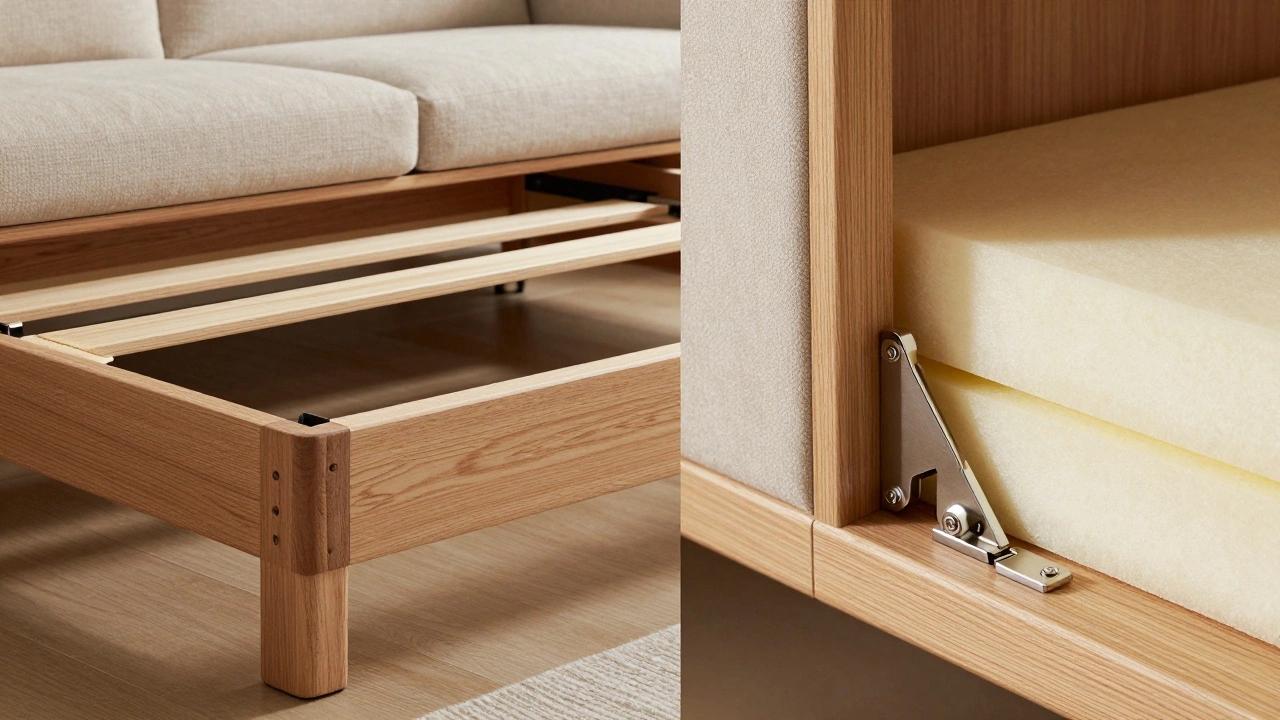
If the mechanism is the engine, the frame is the chassis. A weak frame will wobble, creak, and eventually break. Avoid particleboard or MDF frames for sleeper sofas. These materials swell with humidity and lose strength over time. Instead, look for hardwood frames like oak, maple, or ash. Softwoods like pine are acceptable if they are kiln-dried and reinforced with corner blocks.
Check the joint construction. Dovetail joints or mortise-and-tenon joints are superior to staples or glue alone. Run your hand along the underside of the sofa. If you feel rough edges or loose screws, walk away. The legs should be sturdy and made of wood or heavy-duty metal. Plastic legs might snap under the combined weight of the sofa and a sleeping adult.
Weight capacity is another critical spec. Most standard sleeper sofas support between 400 and 600 pounds total. If you plan to have two adults sleeping on it regularly, aim for the higher end. Reputable brands will list the weight limit clearly in the specifications. If it’s missing, assume it’s low.
Fabric Choice: Style vs. Practicality
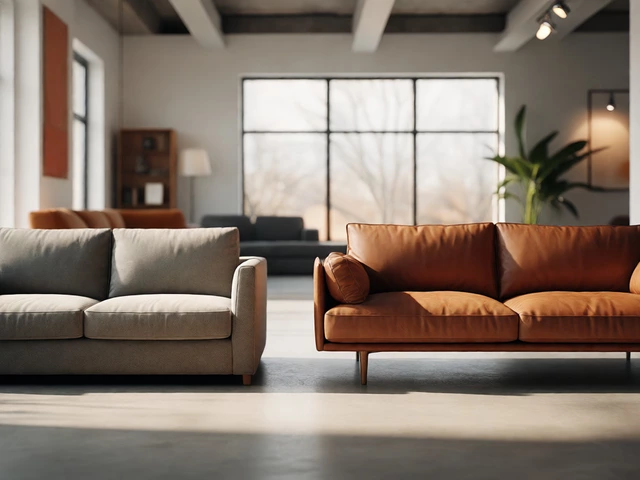
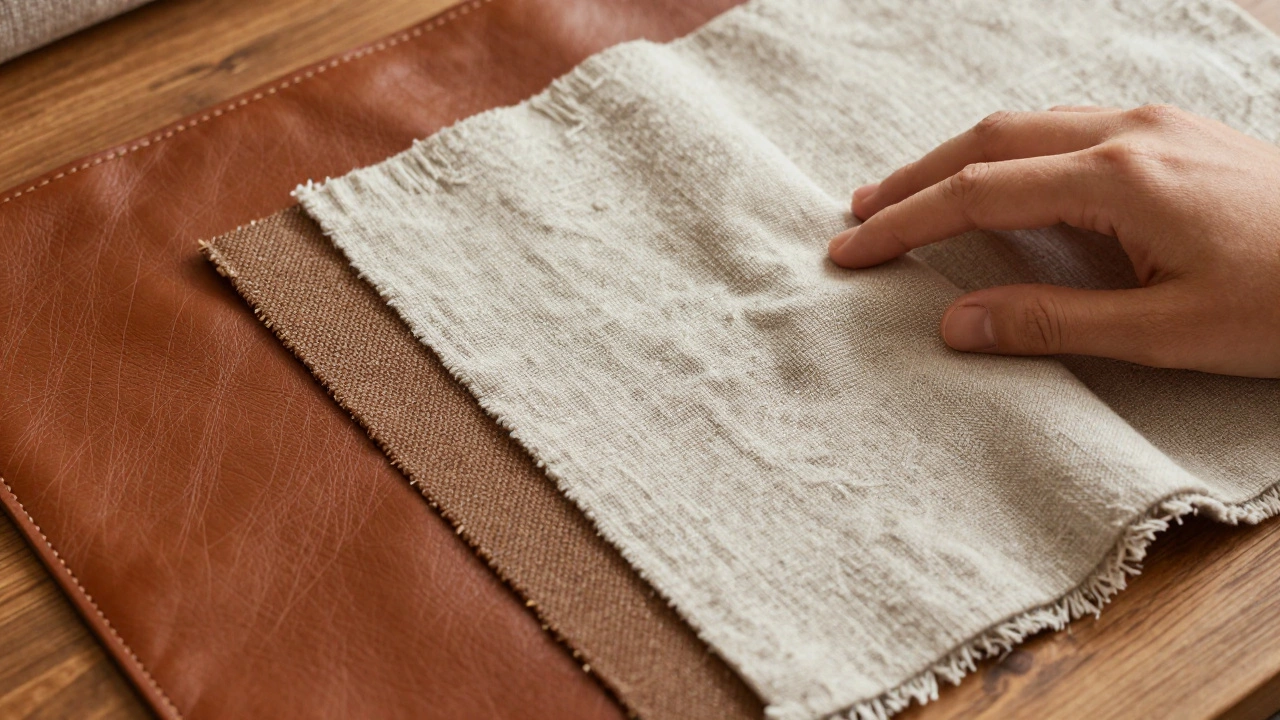
Your choice of fabric depends on your lifestyle. Do you have pets? Kids? Spills happen. Leather looks sophisticated and is easy to wipe clean, but it can scratch easily and feels cold in winter. Microfiber is durable, stain-resistant, and affordable, making it a great choice for families. Linen looks airy and modern but wrinkles easily and can pill over time.
Consider the rub count. This measures how much friction the fabric can withstand before wearing out. For a sofa used daily, look for a rub count of at least 15,000. For a guest room sofa used occasionally, 9,000 is sufficient. Darker colors hide stains better, but lighter fabrics make a small room feel bigger. Balance aesthetics with reality-if you’re prone to coffee spills, don’t buy white velvet.
Budgeting for Value
Sofa beds range from $300 to over $3,000. Where does the money go? Cheap models cut corners on the mechanism and mattress. Mid-range options ($800-$1,500) offer decent durability and comfort for average users. High-end models ($2,000+) feature premium woods, advanced spring systems, and thicker mattresses.
Don’t overspend if the sofa will sit unused for months. A mid-range pull-out sleeper from a reputable brand like IKEA, Wayfair, or Pottery Barn often provides the best value. Save your money for a good mattress topper instead. Adding a 2-inch memory foam topper to a decent sleeper sofa can transform it into a hotel-quality bed for under $100.
Testing Before You Commit
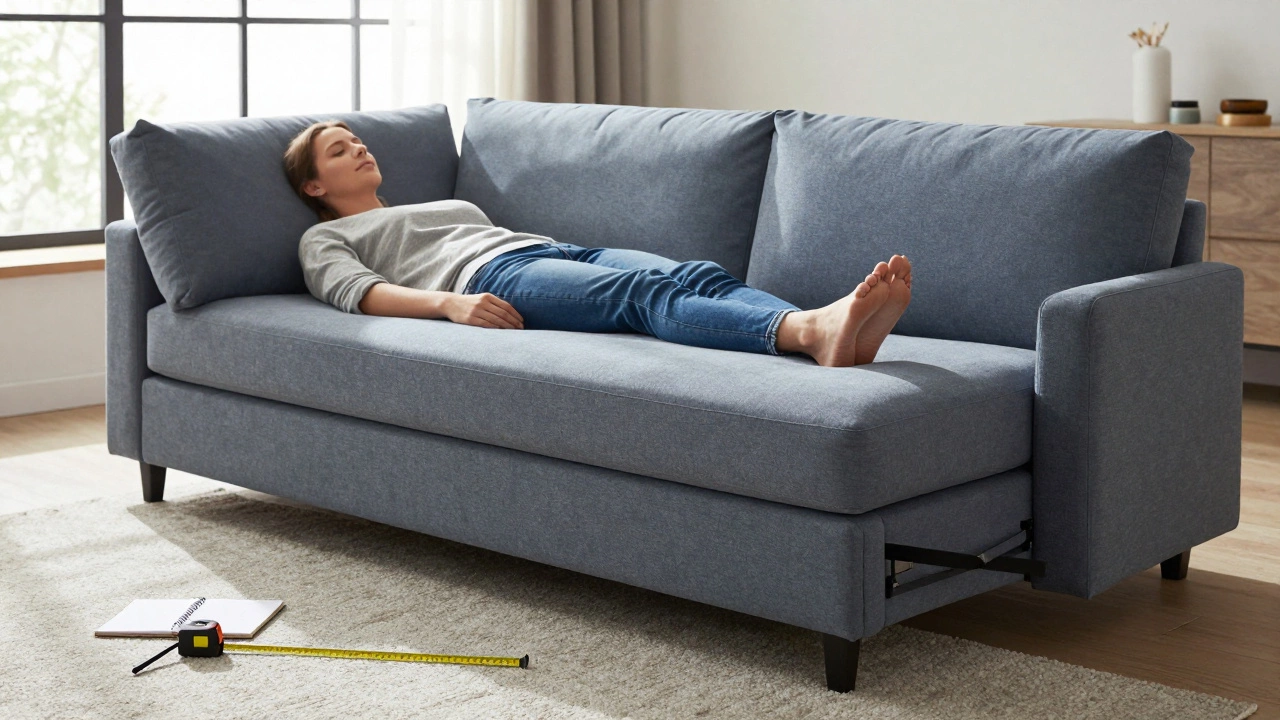
Never buy a sofa bed online without reading reviews specifically mentioning the mattress firmness. Online photos lie. Go to a showroom if possible. Sit on the sofa. Does it sink too deep? Is the back support adequate? Then, ask to pull out the bed. Lie down on it. Stay there for five minutes. Shift positions. If your lower back arches uncomfortably, the mattress is too firm or lacks proper zoning.
Bring a tape measure. Test the clearance around the bed in the store. Imagine walking around it at night. If it feels cramped, it will be worse in your home. Trust your body. Comfort is subjective, but pain is universal. If it hurts now, it will hurt more after a full night’s sleep.
What is the best type of mattress for a sofa bed?
Hybrid mattresses combining innerspring coils with memory foam layers are generally considered the best for sofa beds. They offer the support needed for spinal alignment while providing enough cushioning for comfort. Memory foam alone can be too dense and hot, while pure innersprings may feel too bouncy or firm. Look for a thickness of at least 5 inches for optimal comfort.
How long do sofa beds typically last?
A well-made sofa bed with a hardwood frame and quality mechanism can last 7 to 10 years with regular use. Cheaper models with particleboard frames may start showing signs of wear, such as squeaking hinges or sagging seats, within 3 to 5 years. Regular maintenance, like tightening screws and cleaning tracks, can extend the lifespan significantly.
Can I use a regular mattress on a sofa bed frame?
No, you cannot use a standard mattress on a sofa bed frame. Sofa bed mattresses are designed to be flexible and foldable, which requires specific internal structures like pocketed coils or segmented foam. Regular mattresses are rigid and would crack or break if forced into a folding mechanism. Additionally, they are too thick to fit inside the sofa compartment.
Is a futon or a sleeper sofa better for guests?
A sleeper sofa is significantly better for guests who will stay overnight. Futons often lack proper lumbar support and have gaps between the seat and backrest that cause discomfort. Sleeper sofas provide a flat, continuous surface with a dedicated mattress, offering a near-normal sleeping experience. Futons are better suited for casual lounging or short naps rather than full nights of sleep.
Do I need a mattress topper for my sofa bed?
Yes, a mattress topper is highly recommended for most sofa beds. Even high-end models benefit from an extra layer of comfort. A 2-inch memory foam or latex topper can soften a firm mattress, improve pressure point relief, and protect the original mattress from stains and wear. It is a cost-effective way to upgrade the sleeping quality without replacing the entire unit.