Home Component Lifespan & Maintenance Planner
Enter your home details to see when major systems may need attention. Remember: The shell lasts decades, but mechanicals and finishes have shorter cycles.
Recommended Next Steps
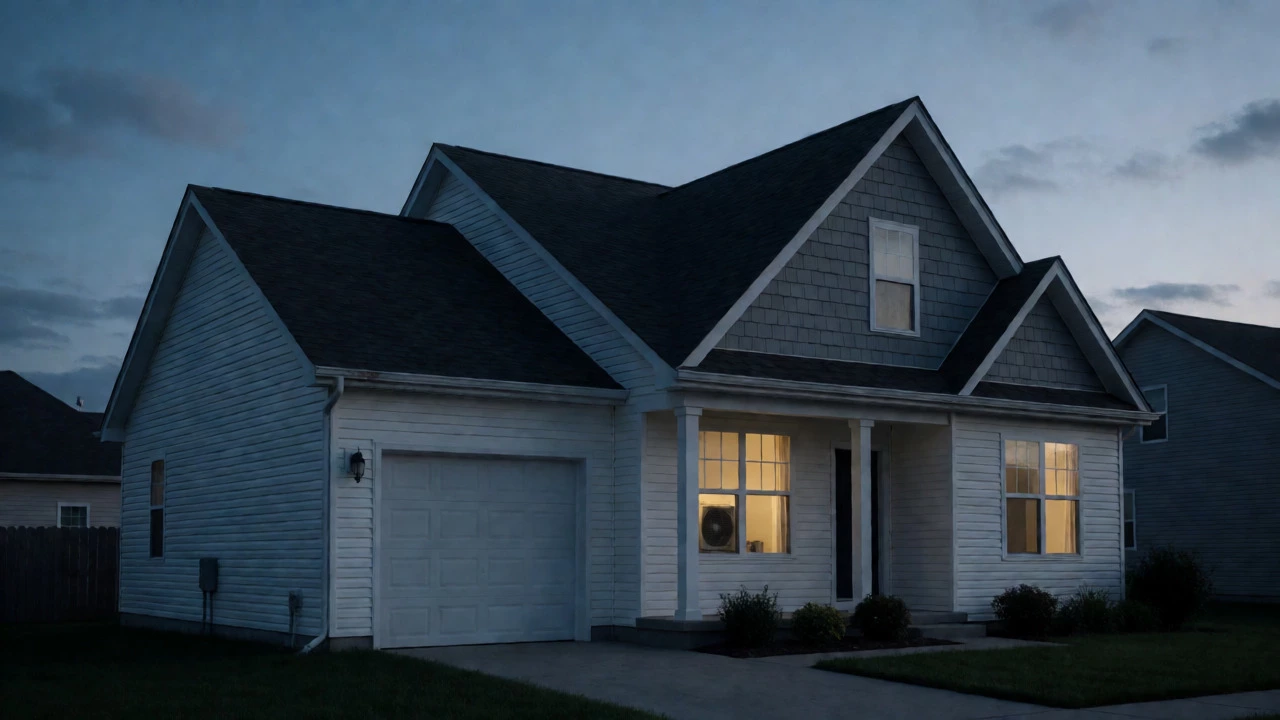
You just signed the papers. The keys are in your hand. The paint smells fresh, and the floors don't creak yet. It feels permanent. But here is the uncomfortable truth that most builders won't tell you upfront: new buildings do not all last forever. In fact, some parts of your new home might need replacing before the first decade is out.
When people ask, "How long should a new building last?" they usually mean one of two things. Do they mean when will the roof leak? Or do they mean when will the entire structure become unsafe to inhabit? These are different questions with very different answers. A concrete foundation can easily survive 100 years. The vinyl siding on top of it? Maybe 25. Understanding this distinction saves you money, stress, and a lot of surprise repair bills.
The Myth of the 50-Year House
We tend to think of houses as static objects. You buy it, it sits there, and it ages gracefully like wine. That is a fantasy. Modern construction is actually a collection of components with vastly different lifespans. Think of your house less like a single machine and more like a car. The engine block (the frame) lasts a long time. The tires (roofing), the wiper blades (seals), and the battery (HVAC) wear out quickly. If you expect the whole package to last 50 years without major component swaps, you are setting yourself up for disappointment.
In North America, the average life expectancy of a residential structure is often cited as around 70 to 80 years for the core shell. But that number hides the reality of modern materials. We use engineered wood products now instead of old-growth timber. We use plastic pipes instead of copper. These materials are cheaper and faster to install, but they behave differently under stress, heat, and moisture. Your job isn't just to own the building; it's to manage its decay curve.
Breaking Down Lifespan by Component
To get a realistic picture, we have to look at the anatomy of a new build. Not every part fails at the same rate. Here is what you should actually expect from the major systems in a typical suburban home built today.
| Component | Material Type | Average Lifespan | Key Failure Factor |
|---|---|---|---|
| Foundation | Poured Concrete / Block | 80-100+ years | Soil movement, water drainage |
| Roofing | Asphalt Shingles | 15-25 years | Sun UV damage, wind lift |
| Roofing | Metal / Tile | 40-70 years | Corrosion, impact damage |
| Windows | Vinyl Frames | 20-30 years | Seal failure, fogging |
| Plumbing | Copper Pipes | 50-70 years | Pinhole leaks, corrosion |
| Plumbing | PEX Piping | 25-50 years | UV exposure, fitting failures |
| HVAC | Furnace / AC Unit | 15-20 years | Wear and tear, efficiency loss |
| Electrical | Wiring & Panels | 40-60 years | Overloading, code obsolescence |
Notice the gap between the foundation and the roof. This is where homeownership gets tricky. You might be paying off a mortgage for a house that needs a $15,000 roof replacement in year 12. If you didn't budget for that, you're tapping into savings or credit cards. The foundation holds the house up, sure. But the roof keeps the rain out. One is structural; the other is protective. Both are essential, but only one has a predictable expiration date you can plan for.
Why Modern Materials Age Differently
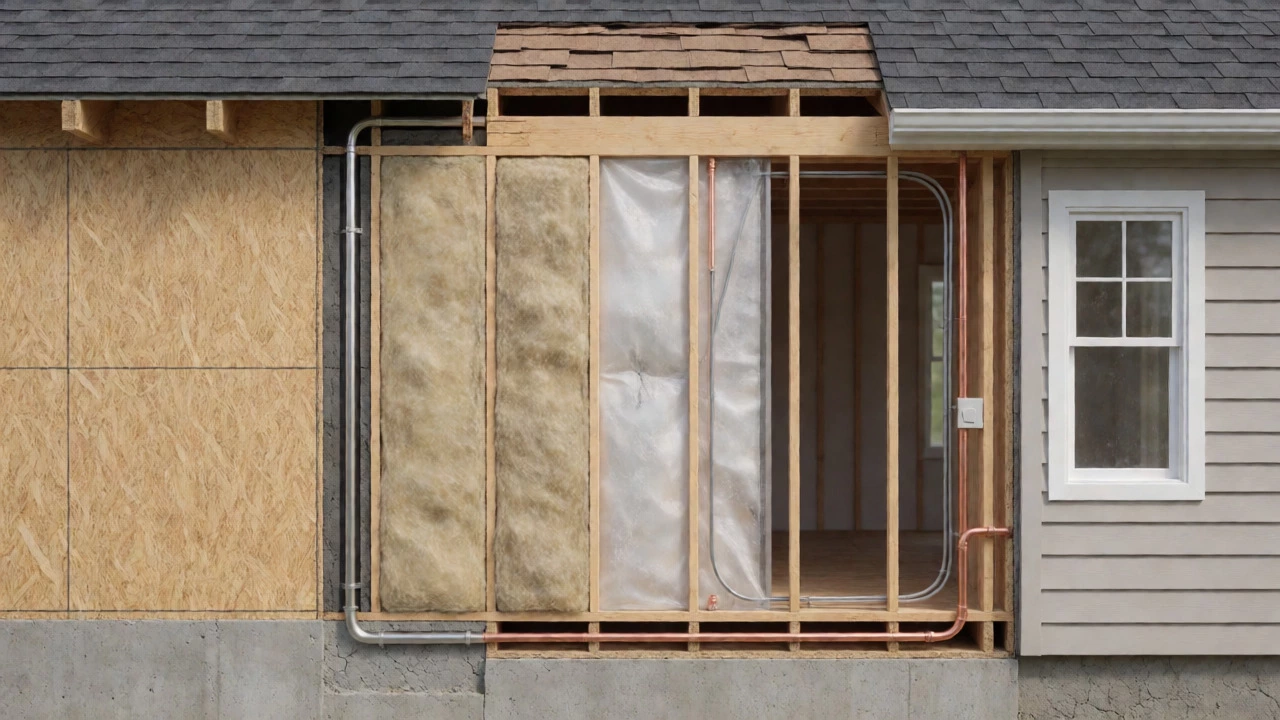
Older homes were built with solid lumber and plaster. They were heavy, slow to build, and expensive. Today, we prioritize speed and cost-efficiency. This shift has changed how buildings age. Take framing, for example. Modern homes use engineered wood products such as OSB (Oriented Strand Board) and LVL (Laminated Veneer Lumber). These materials are strong and consistent, which is great for load-bearing walls. However, they are incredibly sensitive to moisture.
If an old wooden beam got wet, it might rot slowly over decades. If modern OSB sheathing gets wet and doesn't dry out quickly, it swells, loses strength, and can mold within weeks. This means the "envelope" of your house-the barrier against weather-has to be perfect. Any breach in the waterproofing layer accelerates the aging process of everything behind it. This is why proper flashing around windows and doors matters more than ever. A tiny gap that would have been harmless in 1950 can cause significant structural degradation in a 2026 build.
Then there is the issue of synthetic materials. Vinyl siding looks clean and requires little maintenance. But it becomes brittle in extreme cold and can warp in high heat. After 20 years, it often looks dated or damaged, prompting owners to replace it even if it hasn't failed structurally. Similarly, laminate flooring is durable against scratches but hates standing water. Once the seams swell, the floor is done. There is no refinishing it like hardwood. You rip it out and start over. Understanding these material behaviors helps you predict when replacements will be necessary.
Climate and Location Are Major Variables
A house in Vancouver behaves differently than a house in Phoenix. I live in Vancouver, Canada, where rain is our constant companion. Here, moisture management is the primary factor in building longevity. Our mild winters mean less thermal shock, but the relentless dampness attacks seals, foundations, and exterior finishes. In contrast, a home in Arizona faces intense UV radiation and extreme temperature swings. That sun breaks down asphalt shingles and fades vinyl much faster than rain does. But the lack of humidity preserves wood framing better.
Coastal areas add salt air into the mix. Salt corrodes metal fasteners, HVAC units, and window frames. A metal roof that lasts 50 years inland might show rust spots in 20 years near the ocean. Soil type also plays a huge role. Clay soils expand and contract with moisture changes, putting stress on foundations. Sandy soils drain well but may shift during earthquakes or heavy rains. When you evaluate how long your specific building will last, you must audit your local environment. Is your area prone to freezing cycles? Does it get hail? High winds? Each of these factors shortens the lifespan of certain components while leaving others untouched.
Maintenance: The Multiplier Effect
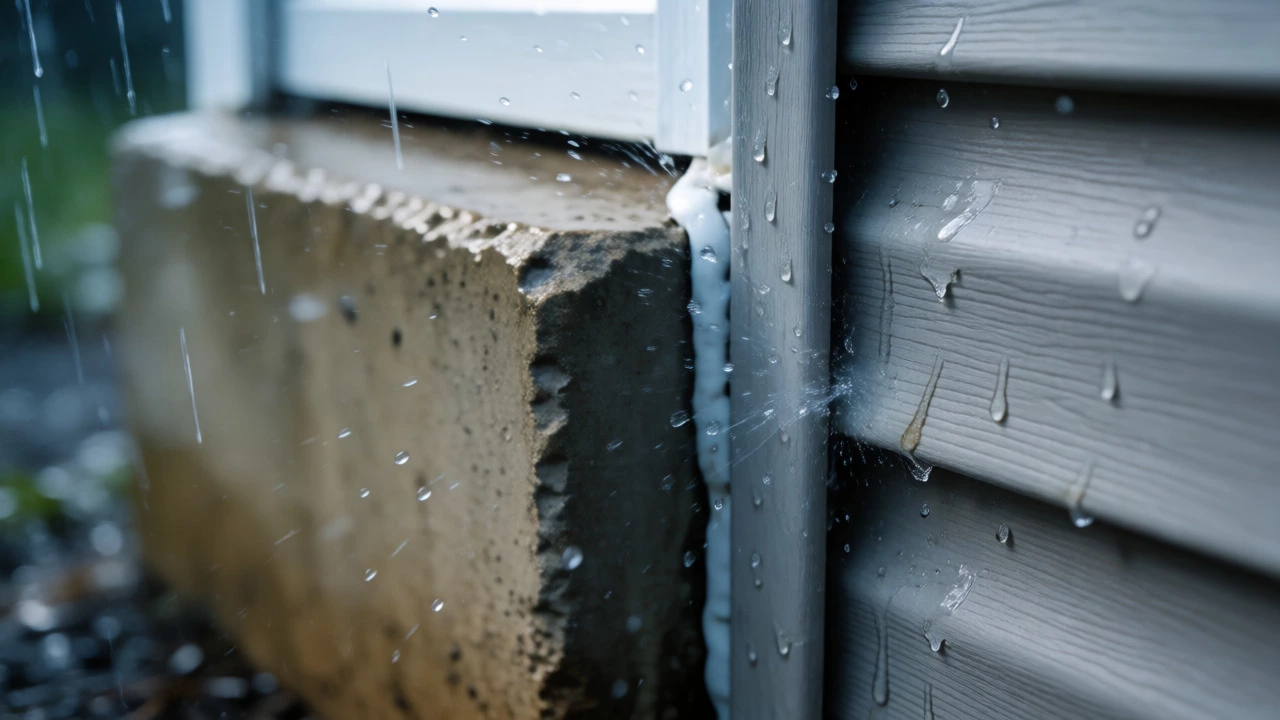
You can double the lifespan of almost any component with proactive care. This isn't about being handy; it's about being observant. Ignoring small problems turns them into big ones. Let's look at gutters. They seem trivial. But if leaves clog them, water spills over the edge. That water runs down the siding, seeps into the wall cavity, and rots the sheathing. Suddenly, you aren't cleaning gutters; you are repairing the wall structure. Cleaning gutters twice a year costs nothing but time. Fixing rotten walls costs thousands.
Regular inspections catch issues early. Check your caulk around windows annually. If it cracks, re-caulk it. This simple act prevents water intrusion that leads to mold and structural decay. Inspect your roof after major storms. Look for missing shingles or lifted edges. Addressing a few missing shingles immediately prevents water from getting under the remaining layers. Neglect allows water to soak the deck, requiring a full tear-off and replacement.
Landscaping matters too. Keep mulch and soil away from the base of your exterior walls. If dirt touches the siding, moisture wicks up into the wood or stucco. Ensure your grading slopes away from the foundation. Water pooling near the base is the number one enemy of basements and crawl spaces. By managing the water around your home, you protect the longest-lasting parts of the structure.
Resale Value vs. Actual Longevity
Here is a practical angle: buyers care about age, but they really care about recent updates. A 30-year-old house with a new roof, new HVAC, and updated plumbing often sells for more than a 10-year-old house with original systems nearing the end of their life. Why? Because the buyer sees immediate reliability. They know they won't face capital expenditures for another 15 years.
This affects how you should view your investment. If you plan to stay in the home for 20 years, you need to budget for mid-life replacements. If you plan to sell in 5 years, you might defer maintenance, hoping the next owner handles it. But beware: deferred maintenance shows up in inspections. A 15-year-old furnace might still run, but an inspector will flag it as "near end of life." This gives buyers leverage to negotiate a lower price. Keeping critical systems fresh protects your equity.
Planning for the Long Haul
So, how long should a new building last? The shell can last a century. The interior finishes and mechanical systems need refreshing every 15 to 25 years. Accepting this cycle removes the fear of "aging." Houses aren't meant to stay new forever. They are meant to evolve.
Create a maintenance calendar. Year 1-5: Monitor for settling cracks, check warranties. Year 10: Inspect roof, clean gutters thoroughly, test sump pump. Year 15: Consider replacing HVAC if efficiency drops, inspect plumbing joints. Year 20: Evaluate roof condition seriously, repaint exterior, update lighting fixtures. This timeline transforms homeownership from a series of surprises into a manageable project.
Your new building is a living system. It breathes, shifts, and wears. Treat it with respect, keep the water out, and replace the worn parts before they fail catastrophically. Do that, and your home will serve you well beyond the warranty period, providing comfort and security for decades to come.
Does a new house last longer than an older house?
Not necessarily. While newer homes meet current energy codes and safety standards, they often use lighter, synthetic materials that degrade faster than the solid timber and masonry used in pre-1970s construction. An older home with good bones and updated systems can easily outlast a poorly maintained new build.
What is the shortest-lived component in a new home?
Typically, appliances and HVAC systems have the shortest lifespans, averaging 10-15 years. Exterior sealants, caulking, and paint also require frequent refreshment, often every 5-7 years depending on climate exposure.
Can I extend the life of my asphalt shingle roof?
Yes. Regular cleaning to remove moss and debris, ensuring proper attic ventilation to prevent heat buildup, and promptly replacing damaged shingles can extend the life of an asphalt roof by 5-10 years beyond its standard warranty period.
How does climate change affect building longevity?
Increasingly severe weather events, such as heavier rainfall, stronger winds, and more intense heat waves, accelerate wear on roofing, siding, and foundations. Buildings designed for historical climate patterns may experience accelerated degradation if not retrofitted for these new extremes.
Is it worth maintaining a house if I plan to move soon?
Basic maintenance is always worth it because neglect lowers resale value significantly. However, major capital improvements like a new roof or windows may not yield a full return on investment if you sell within 2-3 years. Focus on cosmetic updates and minor repairs instead.