Sofa Bed Cost Breakdown Calculator
Adjust the sliders to see how different components contribute to the final price of a sofa bed.
Estimated Price Range
A balanced option for occasional guests.
Cost Breakdown
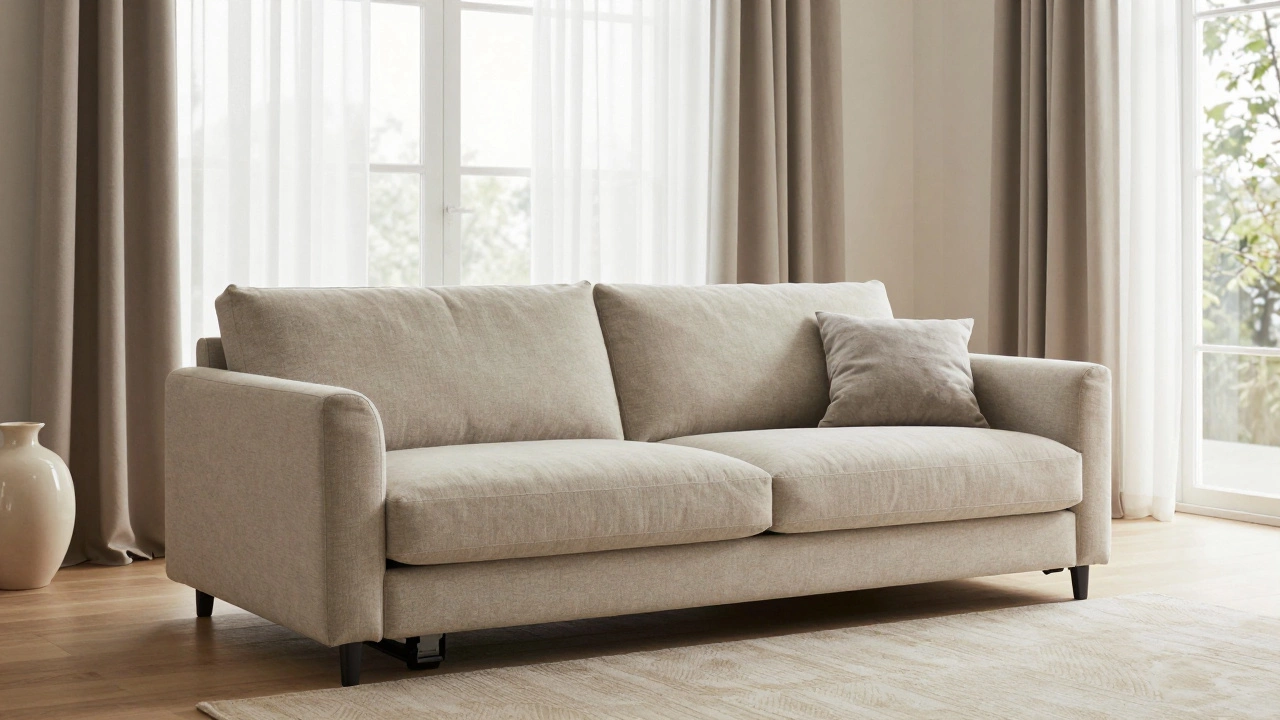
Walk into any major furniture store or browse online, and you’ll notice a pattern. A standard three-seater couch might set you back $800. But add a mattress inside it, turn it into a sofa bed is a dual-purpose piece of furniture that functions as both seating and sleeping surface, and the price jumps to $1,500, $2,000, or even double that. It feels like a rip-off. You’re just adding a thin layer of foam and some metal bars, right? Why does converting a seat into a bed cost so much more?
The short answer is complexity. A sofa bed isn’t just a couch with a hidden bed; it’s a mechanical engineering challenge wrapped in upholstery. When you pay for a sleeper sofa, you aren’t just buying fabric and cushions. You are paying for precision hardware, specialized labor, and materials that have to survive two very different types of stress.
The Mechanics: More Than Just Folding Fabric
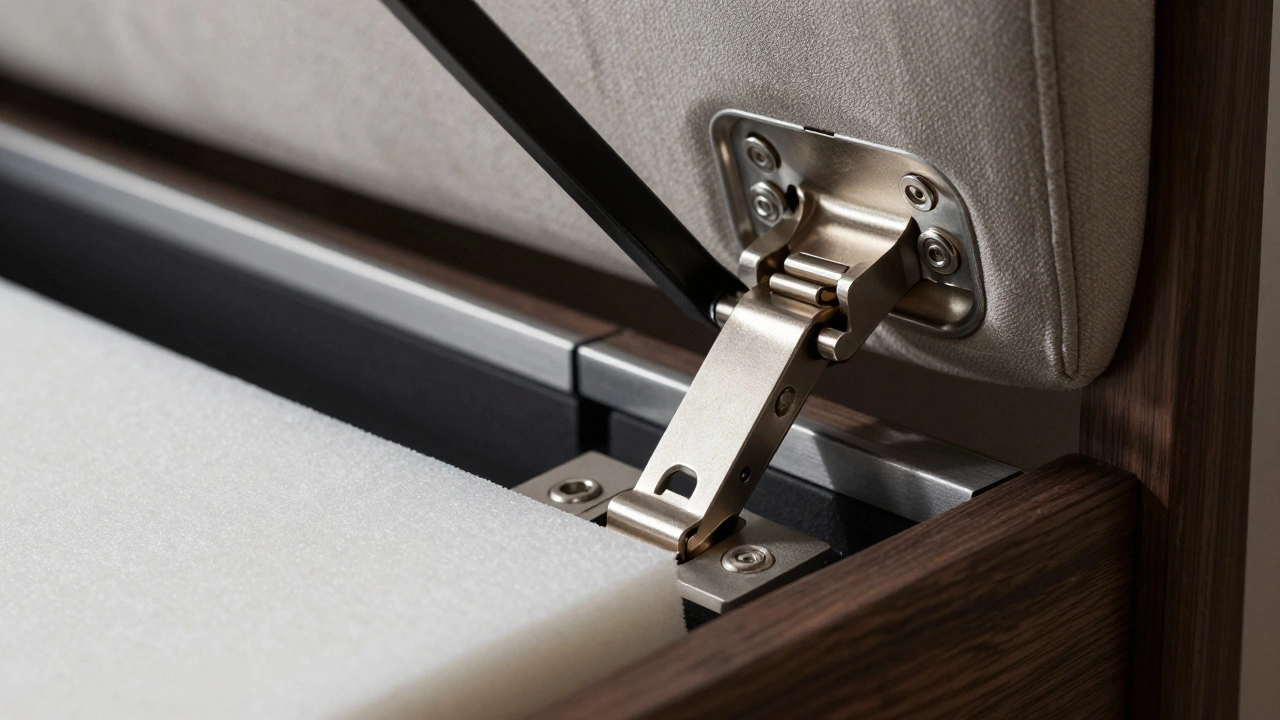
Think about what happens when you pull down a sofa bed. In a standard couch, the frame sits still. The springs support your weight while you sit. In a sofa bed, the entire structure has to transform. This requires a mechanism-usually a click-clack hinge, a trifold system, or a pull-out frame-that must operate smoothly thousands of times without failing.
These mechanisms are not cheap to manufacture. High-quality steel frames are durable structural components used in furniture construction require heavy-gauge steel to prevent sagging under the combined weight of the mattress and a sleeping adult. Cheap mechanisms use thin, flimsy metal that bends after a year. Good ones use tempered steel with reinforced joints. That material difference alone adds hundreds of dollars to the cost.
Then there’s the issue of space. To fit a full-size or queen-size mattress into a living room footprint, manufacturers have to compress the mattress significantly. Standard mattresses are thick and bulky. Sofa bed mattresses are often only 4 to 6 inches thick. Compressing foam and coils into such a small volume requires high-density materials that can bounce back every time they’re folded. Low-density foam would flatten out permanently after a few uses. High-density foam costs more to produce and source.
Labor Intensity and Assembly Complexity
Furniture making is becoming increasingly automated, but sofa beds remain stubbornly manual. You cannot easily automate the assembly of a complex folding mechanism. Workers have to align hinges, test the tension, ensure the mattress folds correctly, and then upholsterie everything seamlessly. This takes time.
In regions with higher labor costs, like North America or Western Europe, this manual assembly drives up the price significantly. If you buy a sofa bed assembled overseas where labor is cheaper, you might save money upfront, but you often sacrifice quality control. The mechanism might be stiff, the alignment off, or the stitching loose. Premium brands charge more because they employ skilled artisans who can ensure the mechanism glides silently and the upholstery hides the hardware perfectly.
Consider the upholstery itself. On a regular couch, seams are straightforward. On a sofa bed, the fabric has to stretch and fold without tearing. Manufacturers use stronger threads and more durable fabrics, like performance-grade microsuede or tightly woven linen blends. These materials resist wear and tear from the constant friction of opening and closing. They also cost more than basic polyester blends.
Material Quality: The Invisible Upgrade
When you look at a sofa bed, you see the outside. But the inside tells the real story of the price. A cheap sofa bed might use particle board for the base. Particle board swells with humidity and breaks under pressure. A mid-to-high-range sofa bed uses kiln-dried hardwoods like oak, maple, or birch. These woods are stable, strong, and resistant to warping. Kiln-drying removes moisture from the wood, which prevents shrinking and cracking over time. This process takes time and energy, adding to the cost.
The suspension system is another hidden cost factor. Standard couches often use sinuous springs (zigzag wires) which are relatively inexpensive. Sofa beds need a hybrid suspension. They might use pocketed coils in the mattress section for comfort and sinuous springs in the seating area for support. Integrating these two systems requires custom engineering. The transition between the seat and the bed must be smooth, so you don’t feel a hard ridge when you sleep. Achieving that seamless transition requires precise cutting and fitting of materials.
| Component | Standard Couch Cost Factor | Sofa Bed Cost Factor |
|---|---|---|
| Mechanism | None (Static Frame) | High (Tempered Steel Hinges, Springs) |
| Mattress Material | N/A | Medium-High (High-Density Foam, Pocket Coils) |
| Frame Wood | Low-Medium (Softwood, Plywood) | Medium-High (Hardwood, Reinforced Joints) |
| Upholstery Labor | Low (Simple Seams) | High (Complex Folding Patterns) |
| Assembly Time | Fast (Automated possible) | Slow (Manual Precision Required) |
Market Dynamics and Economies of Scale
Here’s a harsh reality: fewer people buy sofa beds than standard sofas. Because the market is smaller, manufacturers can’t achieve the same economies of scale. If a factory makes 10,000 identical recliners, the cost per unit drops dramatically. If they make 500 custom-configured sofa beds, the overhead remains high. The tooling, the setup time, and the inventory management all cost more per unit.
Additionally, sofa beds are often sold through specialty retailers or higher-end showrooms rather than big-box discount stores. These retailers have higher rent and staffing costs, which get passed on to you. Online brands try to cut out the middleman, but they still face the high production costs mentioned above. Even if they sell directly to consumers, they can’t drop the price below a certain point without compromising safety or durability.
Shipping is another silent killer. Sofa beds are heavier and bulkier than standard couches due to the metal mechanisms and thicker mattresses. Shipping a heavy item across the country costs more in fuel and logistics. Many retailers include free shipping in the advertised price, but that cost is baked into the sticker price you see. A lighter couch ships cheaper; a heavy sleeper sofa eats into margins.
Durability and Long-Term Value
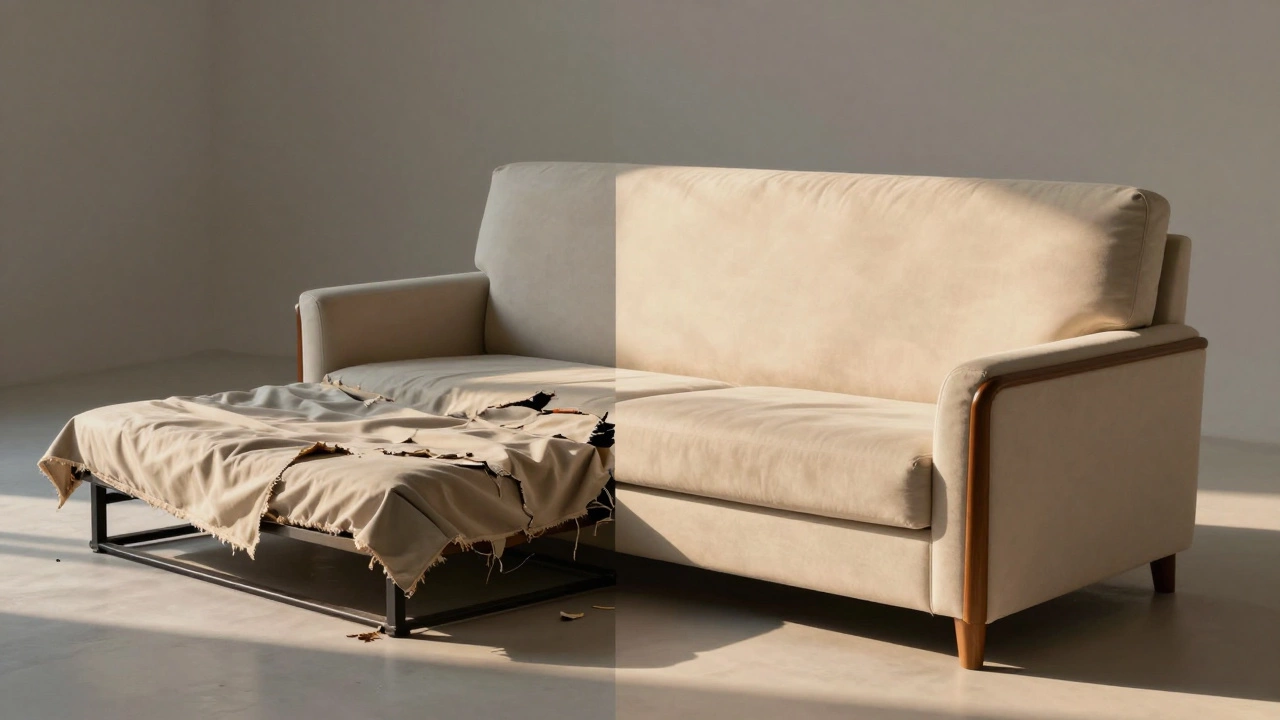
If a sofa bed is expensive, why buy one? Because a cheap one will fail. I’ve seen too many budget futons collapse within six months. The metal frame snaps, the mattress won’t stay flat, or the fabric tears along the fold lines. Replacing a broken sofa bed is costly and inconvenient. You’re stuck with a useless pile of junk in your living room.
A well-made sofa bed lasts 7 to 10 years, sometimes longer. It holds its value better than a disposable piece of furniture. Think of it as an investment in multi-functionality. For small apartments, guest rooms, or home offices, a sofa bed saves space. You don’t need a separate bedroom. That space savings has real monetary value in urban areas where square footage is premium.
Also, consider health. Sleeping on a low-quality, thin mattress every night leads to back pain and poor sleep. A good sofa bed includes a mattress that provides adequate lumbar support. Brands like Tempur-Pedic are a brand known for memory foam mattresses and bedding or Sleep Number are a company specializing in adjustable air mattresses have entered the sofa bed market, offering premium comfort at higher price points. These options prove that you can get hotel-quality sleep in a living room format, but you have to pay for the technology.
How to Save Money Without Sacrificing Quality
You don’t have to spend $3,000 to get a decent sofa bed. Here are practical ways to keep costs down:
- Choose a Futon Style: Traditional futons with wooden frames and cotton mattresses are cheaper than hydraulic pull-out models. They’re less comfortable for long-term sleeping but great for occasional guests.
- Look for Sales: Furniture sales around holidays like Memorial Day, Labor Day, and Black Friday can offer discounts of 20-40%. Sign up for newsletters from brands you like.
- Consider Second-Hand: High-end sofa beds hold their structure well. Check local classifieds or consignment shops for gently used models from reputable brands.
- Simplify the Design: Avoid extra features like chaise lounges, leather upholstery, or power-reclining seats. Stick to a basic three-seater with fabric upholstery.
- Buy Direct: Online-only brands often undercut showroom prices by cutting out retail overhead. Read reviews carefully to check for mechanism reliability.
Remember, the goal is to find the sweet spot between price and durability. A $600 sofa bed might look good in the store, but if the mechanism jams after three months, you’ve wasted your money. A $1,200 model from a reliable brand with a solid warranty is often the smarter financial choice.
Conclusion: Is It Worth It?
So, why are sofa beds so expensive? Because they are complex machines disguised as furniture. They require stronger materials, more labor, specialized engineering, and endure more stress than standard couches. The price reflects the difficulty of making something that works well as both a seat and a bed.
If you need the versatility, invest in quality. Don’t let the high sticker price scare you away, but do let it guide you toward better construction. Look for heavy-gauge steel, hardwood frames, and high-density foam. Test the mechanism before you buy. Open and close it several times. Does it feel smooth? Does it lock securely? If yes, you’re likely getting your money’s worth. If no, walk away. Your back-and your wallet-will thank you.
What is the average price of a good quality sofa bed?
A good quality sofa bed typically ranges from $1,000 to $2,500. Entry-level models start around $800 but may lack durability. High-end models with premium mattresses and mechanisms can exceed $3,000. The average sweet spot for balance between comfort and longevity is around $1,500.
Are sofa beds uncomfortable to sleep on?
It depends on the model. Older, cheaper sofa beds often have thin, lumpy mattresses that cause back pain. Modern high-end sofa beds use pocketed coils and memory foam, providing comfort comparable to a standard twin or full-sized bed. Always test the bed configuration if possible, or read detailed reviews focusing on sleep comfort.
Do sofa beds last as long as regular couches?
Generally, no. The moving parts in a sofa bed mechanism introduce points of failure. While a standard couch can last 10-15 years, a sofa bed typically lasts 5-10 years depending on usage frequency. Heavy daily use will shorten its lifespan significantly compared to occasional guest use.
What is the difference between a futon and a sofa bed?
A futon usually refers to a Japanese-style floor mattress or a Western-style couch with a simple hinged frame that folds flat. A sofa bed (or sleeper sofa) typically has a pull-out frame that extends from under the seat cushions. Sofa beds are generally more comfortable for sleeping but are more expensive and complex than futons.
Can I put a mattress topper on a sofa bed?
Yes, and it’s highly recommended. Since sofa bed mattresses are thin, adding a 2-3 inch memory foam or latex topper can significantly improve comfort. However, ensure the topper is lightweight and flexible enough to fold with the mattress if you plan to open and close the bed regularly.