New Build Upgrade Cost Estimator
Buying a "base model" new home often means accepting minimal features. Use this tool to simulate how selecting premium options from the design center menu impacts your total project cost.
Project Parameters
1. Interior Finishes
Standard packages usually include vinyl plank or carpet. Premium upgrades drastically alter aesthetics.
2. Mechanical & Utilities
Core systems are hidden until you look at the equipment pad. High-efficiency units have upfront costs but save energy.
3. Exterior & Curb Appeal
Total Estimated Project Cost
$0
Budget Analysis
Based on your selections:
- Flooring Impact: Minimal
- Mechanical Tier: Standard Code Compliance
- Long-term Value: Higher efficiency units increase resale appeal but add initial debt load.
The Hidden Checklist in Your Purchase Agreement
You walk into a sales office, look at the rendered images, and sign papers promising a brand-new home. But have you ever stopped to ask exactly what you are paying for? There is a massive gap between marketing promises and the physical reality of keys handed over. When you buy a new build is a residential property constructed from the ground up under recent safety codes, understanding the baseline inclusion list protects you from surprise costs later.
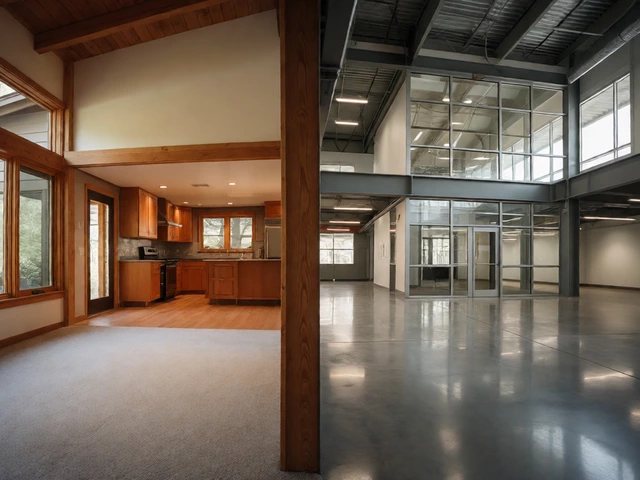
Many buyers assume "move-in ready" means luxury finishes. It rarely does. Standard specifications often reflect the builder’s cost-cutting measures rather than your lifestyle needs. Knowing the difference helps you budget for upgrades before signing the final contract.
Structural Basics and Site Preparation
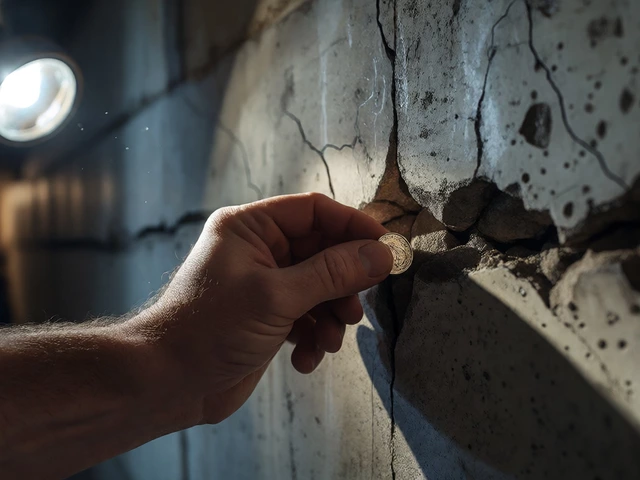
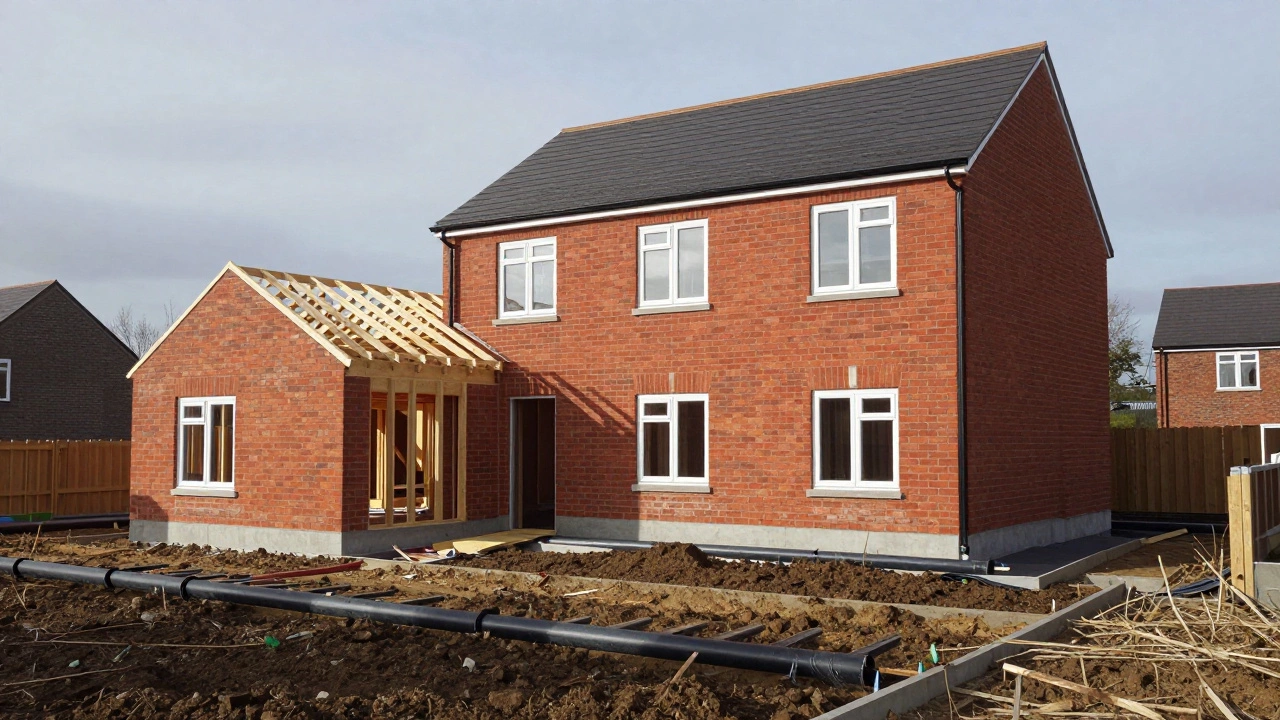
Before we talk about floors and lights, look at what holds the house together. The foundation is non-negotiable and covered by law. In most regions, this includes concrete pouring, waterproofing membranes, and perimeter drainage systems designed to handle local soil conditions.
Framing is another fixed cost. You get wood or steel studs, roof trusses, and sheathing. While you cannot choose the brand of timber usually, you can often discuss load-bearing wall placements during the design phase. Don’t overlook the site work. Grading the land to prevent water pooling around the structure is essential. Some contracts include basic landscaping like sod, while others leave it as dirt until you hire a contractor.
Core Systems: Mechanicals and Utilities
A home functions on three hidden engines: heating, cooling, and electricity. Most standard packages include forced air furnaces and basic electrical wiring. However, the capacity matters. An undersized furnace struggles in winter; an undersized panel limits appliance usage.
HVAC system refers to Heating, Ventilation, and Air Conditioning infrastructure. Look for energy ratings. A high-efficiency unit might come with an optional premium package. Plumbing involves pipes running to toilets, sinks, showers, and laundry hookups. Note that gas lines often require separate municipal approval and might cost extra to bring inside the walls.
| Component | Standard Inclusion | Premium Upgrade |
|---|---|---|
| Heating | Forced Air Furnace | Radiant Floor Heat |
| Water Heater | Gas Tank Model | Tankless On-Demand |
| Insulation | Baubles in Cavity Walls | Spray Foam / High R-Value |
| Windows | Vinyl Double-Glass | Fiberglass Triple-Glass |
Interior Finishes and Appliances
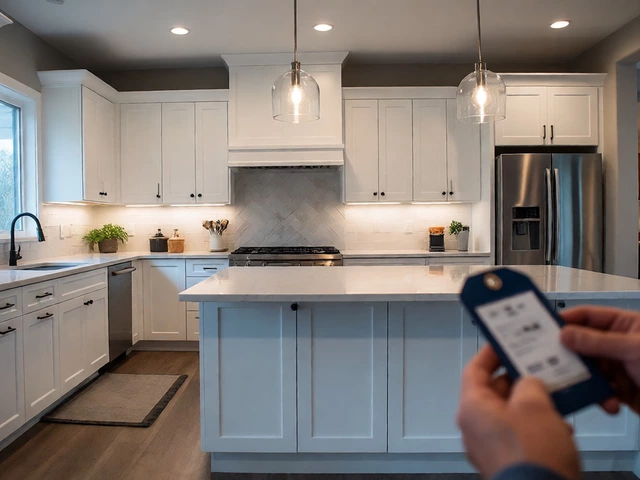
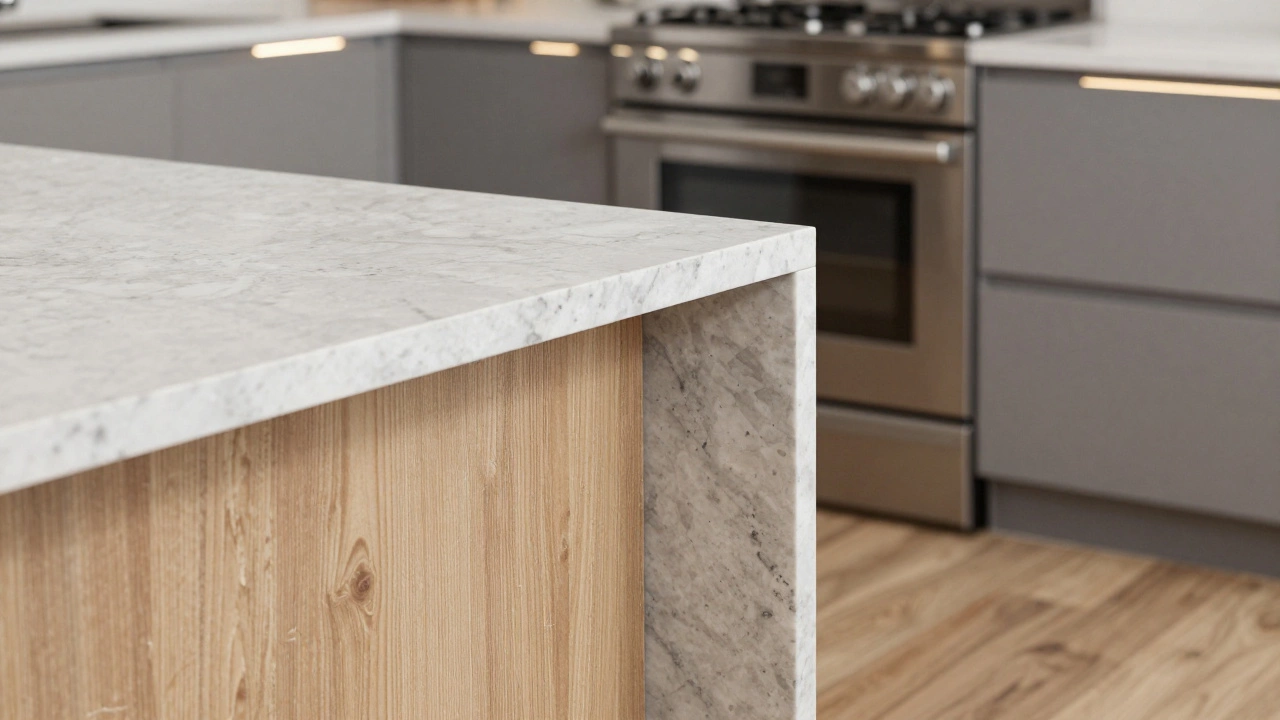
This is where visual details matter most. Kitchens come with cabinets and counters, but "builder grade" usually means particle board boxes with laminate surfaces. Stainless steel appliances often have a limited range of colors-usually white or black models are standard, while stainless finishes carry a fee.
Flooring varies by room. Living areas might get vinyl plank or carpet, while bathrooms stick to ceramic tile. Hardwood is frequently an exclusive upgrade in 2026 markets due to rising material costs. Cabinets in bedrooms are built-in closets, but expect them to be unfinished plywood or pre-hung stock units. Lighting is another minefield. Fluorescent kitchen lights might be replaced with recessed LED tracks.
Exterior Envelope and Curb Appeal
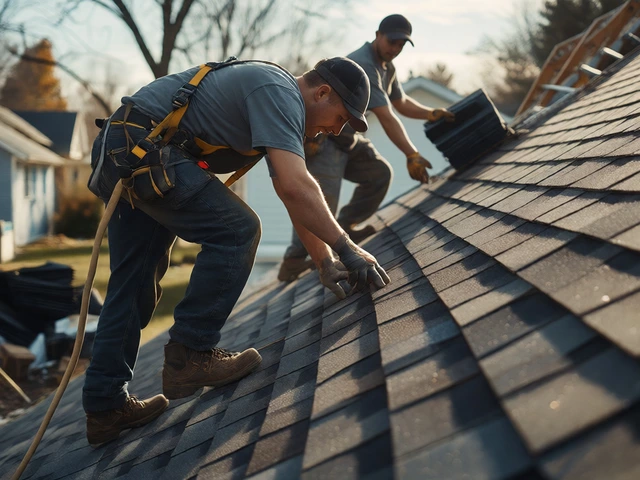
The exterior defines longevity against weather. Siding choices like stucco, fiber cement, or vinyl are determined by the architectural style approved by the municipality. Paint color selection often stops at a set palette. Custom colors mean special ordering charges.
Gutters and downspouts are mandatory for water management. Decks vary wildly; some include composite materials, others offer pressure-treated wood that requires annual sealing. Windows act as thermal barriers. Low-e glass coatings reduce heat loss. If you live in a cold climate, ensure triple-pane options are considered early in the process.
Smart Technology and Safety Compliance
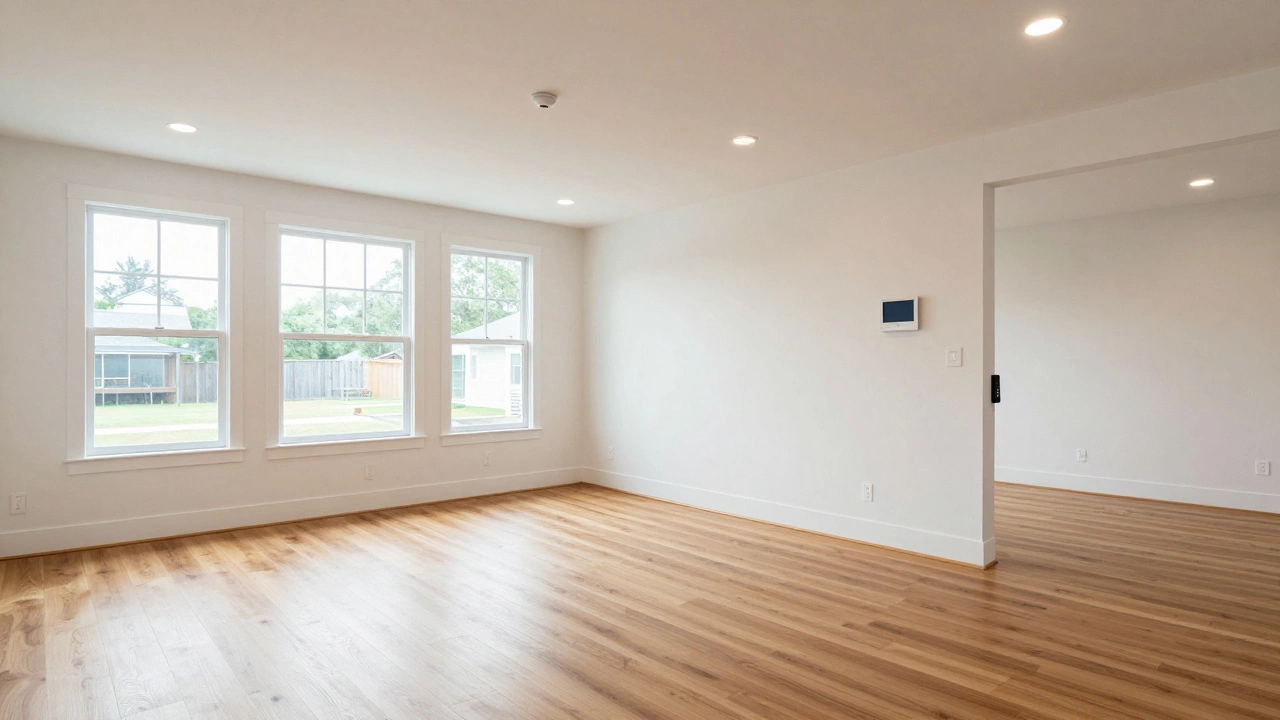
In modern construction projects, tech integration is becoming standard. Smoke detectors must meet code requirements. Carbon monoxide sensors near sleeping areas are mandatory in most jurisdictions. Security panels are rarely fully integrated unless specified.
Smart home features allow remote control of lighting, temperature, and security devices. Some builders install hubs for Wi-Fi thermostats. However, wiring for video surveillance cameras is rarely included unless you pay for a security package. Data cabling ensures internet reaches every room, but fiber optic termination depends on local provider availability.
Warranties and Legal Protections
Protecting your investment starts with reading the warranty clauses. A new home comes with tiered coverage. Typically, this includes one year for workmanship, five years for materials, and ten years for structural integrity. Verify who backs this warranty-is it a third party or the builder themselves?
In many provinces, the provincial warranty program mandates minimum standards. Inspection timelines are critical. You must inspect within specific windows after occupancy to claim defects. If you miss these dates, the builder may deny liability for issues found months later.
Navigating the Upgrade Menu
Upgrades are where budgets blow holes. Flooring changes alone can run thousands per square foot. Moving a wall during construction is costly because it disrupts plumbing and electrical runs. Always ask for the "as-built" drawings before signing off on any customization.
Communicate clearly with the design center staff. Ask specifically about "standard finishes" versus "premium finishes." Take photos of the show home samples, noting which tiles or faucets are exact matches. Photos change faster than verbal assurances. Document everything in email correspondence for legal protection.
Does the price include furniture in a new build?
No, furniture is never included. The purchase covers the structure and attached systems like lighting and cabinetry. Movable items like sofas, beds, and rugs are personal property expenses.
Are landscaping costs included in the purchase price?
Often, only basic grass seeding or sodding is included. Mature trees, irrigation systems, patios, and fencing usually require separate add-on packages.
Can I customize the floor plan layout?
This depends on the construction stage. Changing a layout is easier during the schematic phase. Once framing begins, wall relocations are significantly more expensive and complicated.
What happens if defects appear after moving in?
Most warranties cover defects for one to two years regarding finish work. Report issues immediately via the builder's portal to ensure they remain valid under the terms.
Is the lot included in the new build price?
It depends on the development type. Condos usually include shared ownership of the land. Single-family homes often sell the lot separately, requiring additional fees for the deed transfer and property taxes.