TV Placement: How to Position Your Screen for Comfort and Style
When working with TV placement, the process of deciding where and how a television fits into a living space. Also known as screen positioning, it mixes ergonomics, aesthetics, and practical wiring needs. Proper wall mounting, securing the TV to a wall with a sturdy bracket is a common route when you want a clean look and save floor space. Viewing angle, the angle between the screen and the viewer’s eyes matters because a tilted or off‑center view can strain the neck and wash out colors. Pairing the TV with an entertainment center, a piece of furniture designed to house the screen, speakers, and accessories gives you storage for consoles, décor, and wiring while keeping the visual line clean. In short, TV placement encompasses wall mounting, demands the right viewing angle, and benefits from a well‑chosen entertainment center. These three elements create a foundation that makes the whole room feel intentional and comfortable.
Practical Steps and the Role of Cable Management
Start by measuring the distance from your primary seating to the screen; a good rule is roughly 1.5 to 2.5 times the TV’s diagonal size. Next, set the height so the middle of the display aligns with eye level when you’re seated – most people find 42‑48 inches from floor to screen centre works well. Good cable management, organizing power and HDMI cords with clips, sleeves, or in‑wall channels prevents a tangled look and reduces tripping hazards. When cables are tucked neatly, the wall‑mounted TV appears floating, and an entertainment center can hide any leftover wires. Lighting also plays a role; avoid placing the TV opposite bright windows to reduce glare, and consider bias lighting behind the screen to ease eye fatigue. Together, proper cable management reduces visual clutter, supports safe TV placement, and lets the room’s lighting work in harmony with the screen. These steps turn a technical task into a series of simple actions you can finish over a weekend.
Beyond the basics, think about how the TV fits with the rest of your furniture. A sideboard or low bookcase can double as a media console, giving you extra storage for games, magazines, or decorative objects. If you love multi‑functional rooms, look at the storage tips from our Home Storage Management guide – stacking shelves or using vertical dividers can free up floor space for a larger screen. Color choices matter too; pairing a neutral TV frame with the 2024 curtain color trends or a bold wallpaper accent can tie the whole room together without overwhelming the eye. When you combine ergonomic placement, smart furniture choices, and tidy wiring, you create a viewing environment that feels both modern and personal. Below you’ll find a hand‑picked collection of articles that walk you through each of these topics, from DIY wall‑mount tutorials to budget‑friendly décor ideas, so you can turn your living room into a comfortable, stylish home theater.
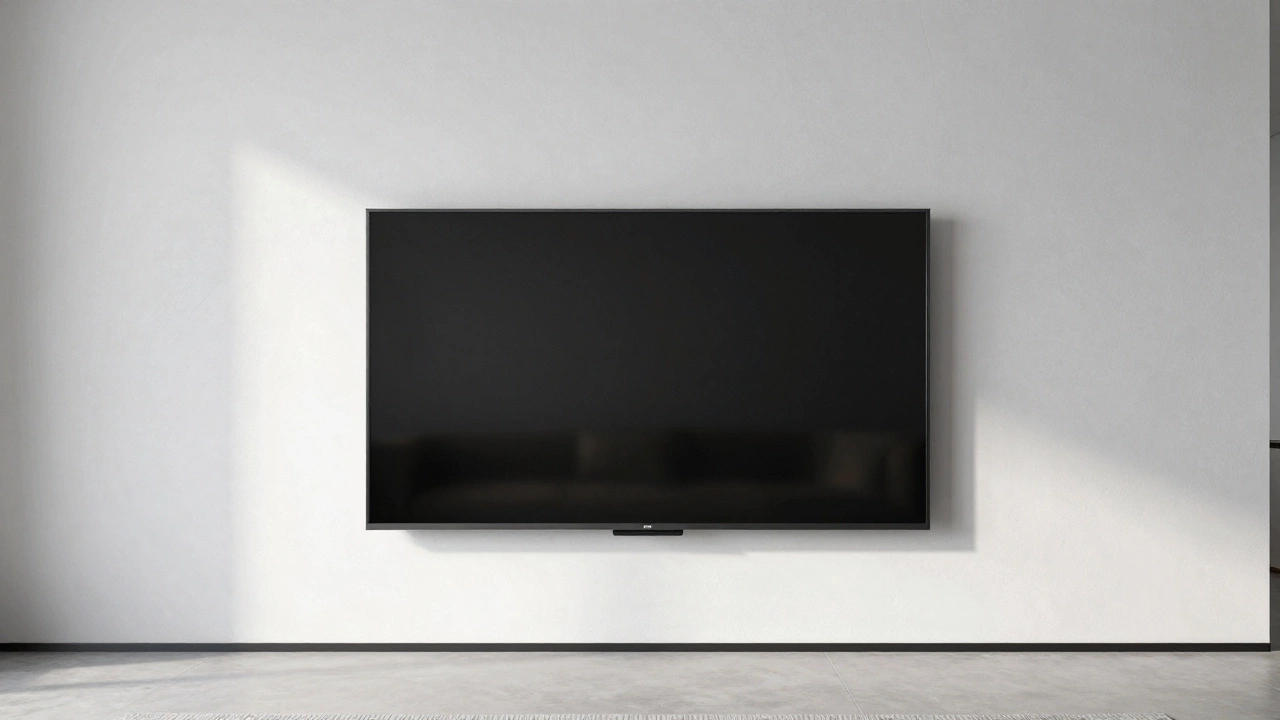
Do TVs Look Better on a Wall or Stand? The Ultimate Visual Guide
Explore the pros and cons of mounting TVs on the wall versus using stands. This guide compares aesthetics, ergonomics, cost, and installation factors to help you decide the best placement for your living room.
full article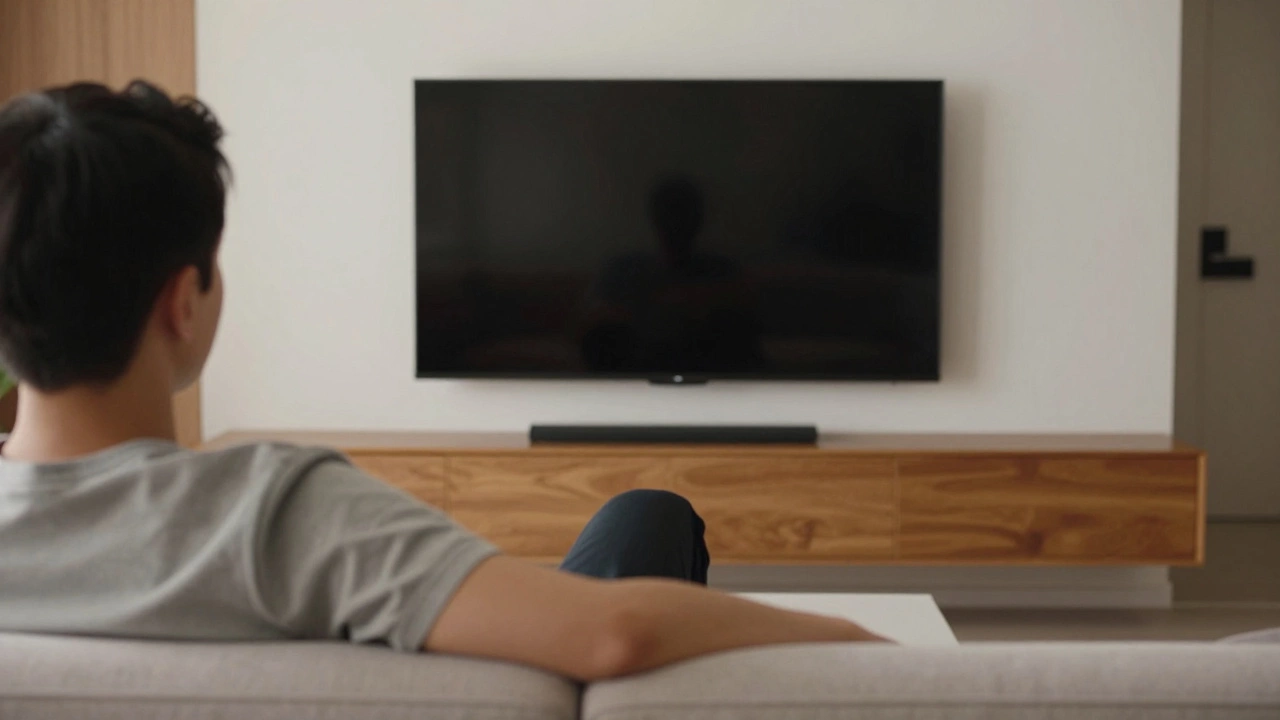
What Is the Best Height for a 65 Inch TV? Expert Guide for Comfortable Viewing
Find the perfect height for your 65-inch TV to avoid neck strain and enjoy comfortable viewing. Learn how to measure eye level, choose the right stand or mount, and fix common setup mistakes.
full article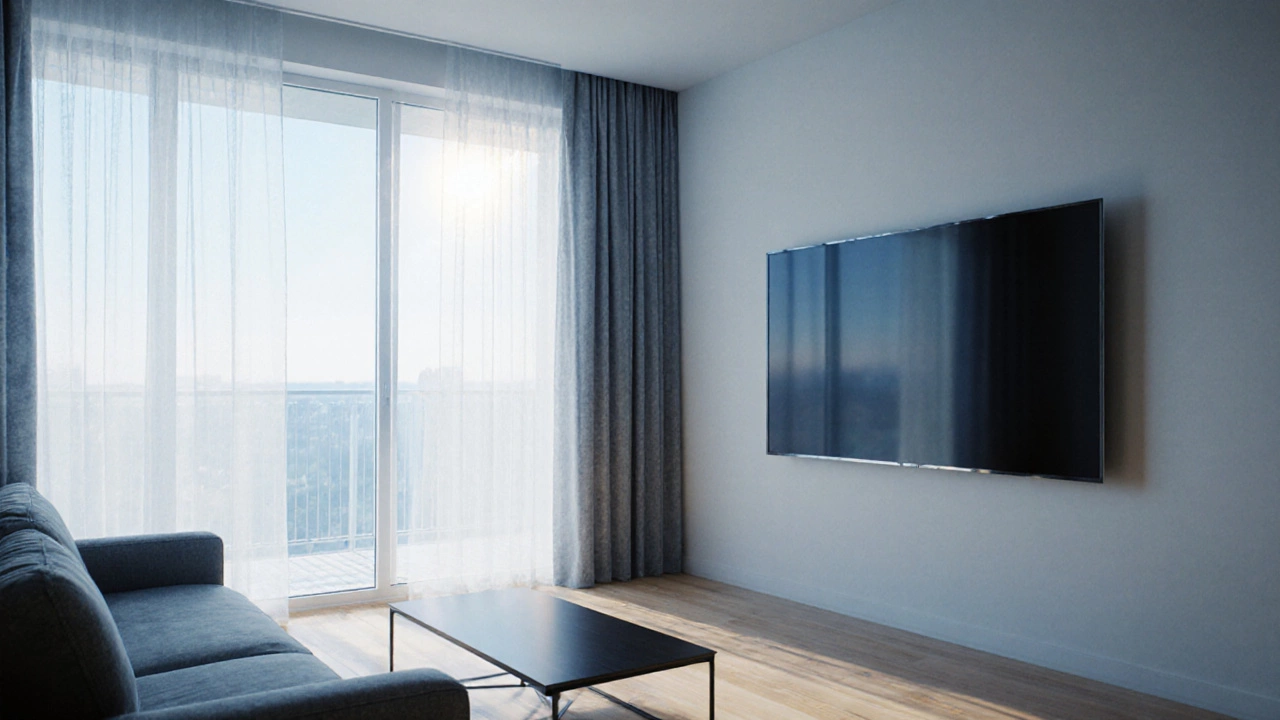
Where Not to Put a TV? Avoid These Common Placement Mistakes
Learn where NOT to install a TV, avoid glare, heat, humidity, and visual clutter, and get a practical checklist for perfect placement.
full article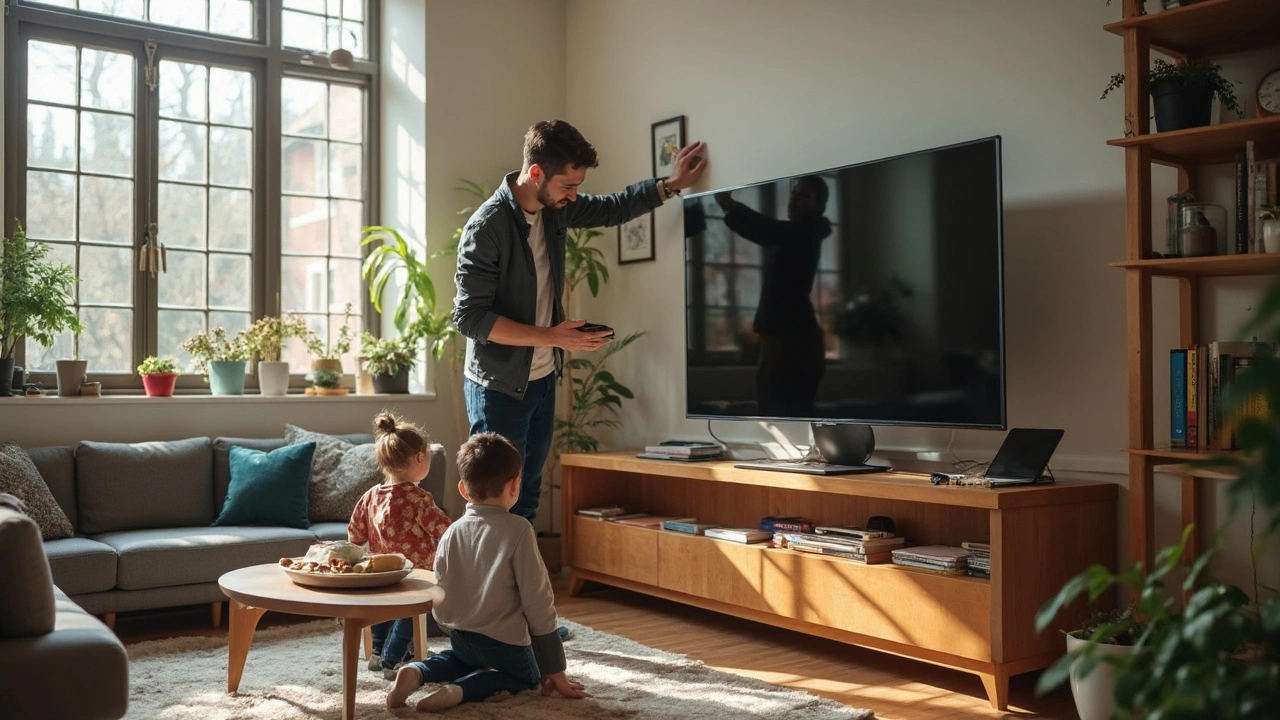
TV Stand Setup: How Should a TV Sit on a TV Stand?
Ever wondered how to set your TV on a stand without messing up your room's vibe or risking a tip-over? This article digs into the best way to place your TV on a stand, what height actually works for real movie nights, and how to keep everything stable. You’ll find honest tips, smart space tricks, and a few facts you probably hadn’t considered. It’s not just about balancing your screen—it’s about making the whole setup work for your everyday life. Get ready to rethink your living room.
full article