Mood Lighting: How to Shape Every Room’s Ambience
When working with mood lighting, the deliberate use of light to influence how a space feels. Also known as ambient lighting, it helps turn a plain room into a cozy nook or a vibrant gathering spot. Below you’ll find the basics that make mood lighting work, plus the tools and terms every DIYer should know.
Key Elements That Define Mood Lighting
First, the light source itself matters. daylight-mimicking bulbs, LED fixtures engineered to copy the sun’s spectrum are the backbone of modern ambience design. They deliver a balanced mix of wavelengths that feels natural, which is why designers love them for both workspaces and relaxation zones.
Next, look at the light’s quality. CRI, the Color Rendering Index that measures how accurately a light shows true colors directly influences how colors in your room appear. A CRI of 90 or higher means reds stay rich, blues stay cool, and everything in between looks true‑to‑life. Pair a high‑CRI bulb with the right color temperature and you’ve got the formula for any mood.
Speaking of temperature, Kelvin, the unit that describes a light’s warmth or coolness lets you fine‑tune feelings. Warm light (around 2700‑3000 K) feels intimate, perfect for a living‑room movie night. Cooler light (4000‑5000 K) feels energizing, ideal for kitchens or home offices where focus matters.
Finally, the technology behind the bulb matters. full‑spectrum LED, LEDs that emit light across the entire visible range, closely matching daylight provide the most versatile foundation. They work well with dimmers, smart controls, and color‑changing systems, giving you hands‑on control over every nuance of ambience.
These four pieces—source, CRI, Kelvin, and full‑spectrum tech—form a semantic triple: Mood lighting requires the right color temperature, benefits from high CRI, and is enhanced by full‑spectrum LEDs. Understanding how they connect lets you design spaces that constantly adapt to the activity at hand.
Now that you know the core concepts, let’s see how they play out in real rooms. In a small bathroom, swapping a bland 2700 K fixture for a 4000 K full‑spectrum LED can instantly make the space feel larger and cleaner. In a living area, layering warm LED strips behind a bookshelf adds depth, while a high‑CRI floor lamp highlights artwork without washing out its true hues.
Choosing the right fixtures isn’t just about aesthetics; it also affects energy use. Modern daylight‑mimicking LEDs consume far less power than traditional incandescent bulbs while delivering a higher CRI. That means you get richer light for a lower bill—an essential consideration for any homeowner looking to upgrade without inflating costs.
Smart home integration is the next logical step. Most full‑spectrum LEDs work with popular platforms like Alexa or Google Home, letting you set scenes with a voice command. Imagine saying, “Set relaxing mood,” and the system dims to 2700 K, boosts CRI to 95, and adds a warm amber wash—all automatically.
All these ideas come together in the articles below. You’ll find step‑by‑step guides on choosing the perfect daylight‑mimicking bulbs, mastering CRI for art displays, tweaking Kelvin for specific rooms, and wiring full‑spectrum LEDs into existing circuits. Whether you’re a first‑time DIYer or a seasoned renovator, the collection offers actionable tips that turn theory into instantly visible results.
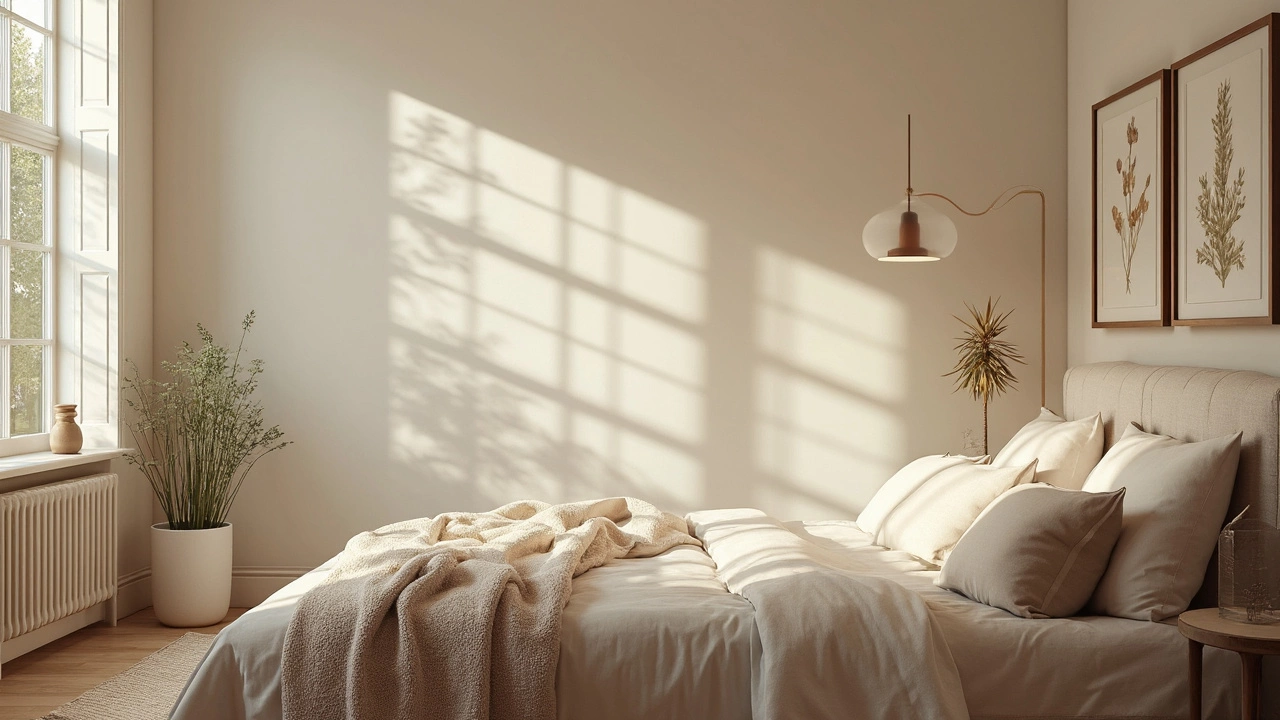
Bedroom Decor: How Can I Subtly Spice Things Up?
Looking for ways to refresh your bedroom without going overboard? This guide shares practical tips to subtly upgrade your space for a cozier and more inviting vibe. Discover smart lighting tricks, easy fabric swaps, and simple decor tweaks. Find out how small changes can make your bedroom feel brand new. No need for a full makeover or big spending—just clever, easy steps anyone can do.
full article