Home Structural Issues: What Every Homeowner Should Know
When dealing with Home Structural Issues, any problem that compromises a house’s load‑bearing components – like foundation movement, roof sagging, wall cracks, or moisture damage – requires prompt attention. Also known as structural problems in homes, it can lead to costly repairs if ignored. Foundation Settlement is a prime example; when soil shifts, the footing drops, creating uneven floors and door frames. Likewise, Moisture Intrusion weakens wood and concrete, accelerating the risk of wall cracks. In short, home structural issues encompass these sub‑problems, require professional evaluation, and influence the overall durability of the property.
Common Types of Structural Problems
One of the most frequent red flags is a sloping or sagging roof. Roof Problems often start with missing shingles or weakened trusses, which can compromise the entire frame. When a roof sags, it puts extra pressure on walls and can even affect the foundation over time. Another tell‑tale sign is visible or expanding cracks in interior or exterior walls. Wall Cracks may indicate shifting loads, especially if they follow a stair‑step pattern or appear near doors and windows. Both roof and wall issues are interconnected; unresolved roof sag can exacerbate wall movement, and vice versa.
Beyond the obvious, moisture‑related damage often hides behind paint peeling or a musty smell. When water seeps into crawl spaces or basements, it rots joists and erodes concrete, setting the stage for both foundation settlement and wall cracking. Building codes — which dictate minimum load‑bearing standards and moisture barriers — serve as a safety net, but they only work when the house complies and maintenance keeps up. Ignoring code updates or DIY shortcuts can turn a minor leak into a structural nightmare.
For homeowners, the best defense is a regular inspection routine. Look for uneven door gaps, sloping floors, or new cracks after heavy rain. A simple level test on a wall or floor can reveal subtle shifts before they become visible. When you spot a problem, bring in a qualified structural engineer or seasoned builder. Their expertise lies in diagnosing the root cause—whether it’s soil movement, improper framing, or defective roofing—and recommending the right repair method, be it underpinning, beam reinforcement, or roof truss replacement.
Taking action early saves money and peace of mind. Simple steps like improving drainage, sealing basement walls, and trimming trees that stress the roof can延reduce the likelihood of severe damage. If you’re planning a renovation, factor in structural assessments to avoid costly surprises later. Remember, home structural issues are not just an inconvenience; they affect safety, resale value, and energy efficiency. By staying vigilant and addressing problems promptly, you keep your home sturdy for years to come.
Below you’ll find a curated set of articles that dig deeper into each of these topics. From DIY guides on spotting wall cracks to expert advice on foundation repair, the collection offers practical tips, real‑world examples, and step‑by‑step solutions you can apply right away.
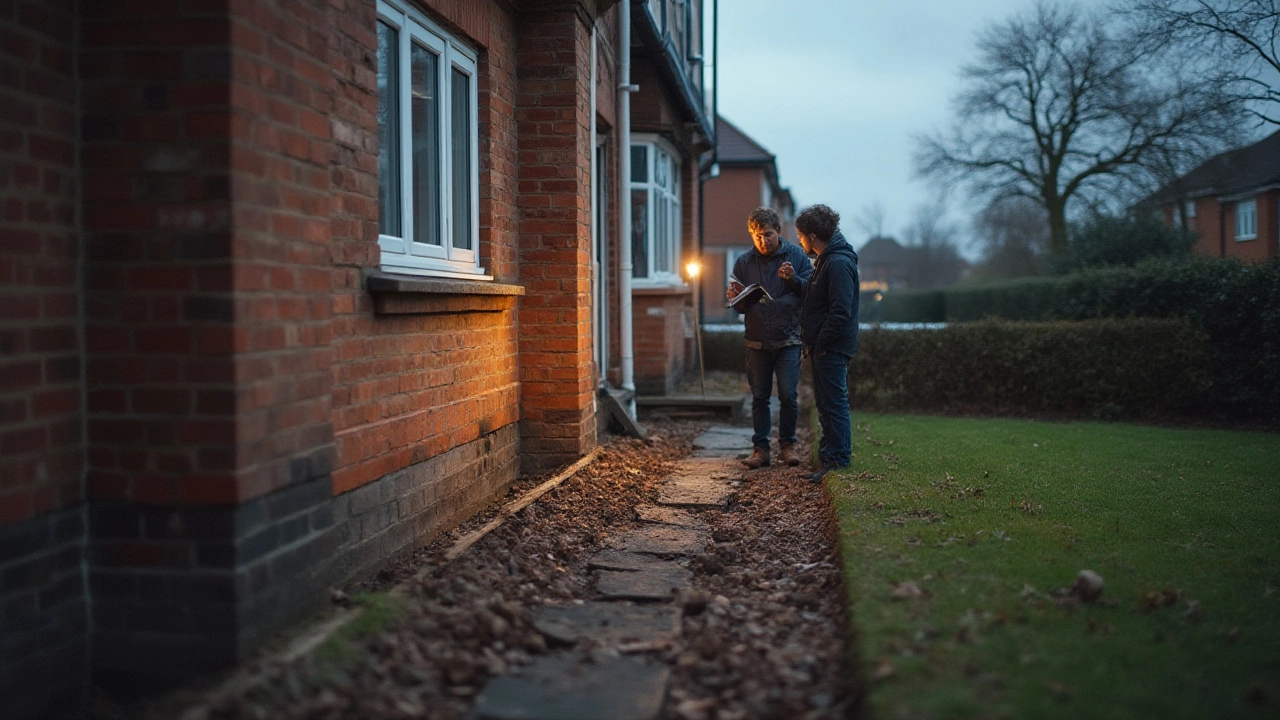
Are Horizontal Foundation Cracks Dangerous? What Homeowners Need to Know
Learn how serious horizontal foundation cracks can be, what causes them, how to spot warning signs, and what steps you can take for repairs or prevention.
full article