Understanding Furniture Lifespan: How Long Does Your Furniture Last?
When working with furniture lifespan, the total period a piece stays functional and visually appealing under regular use. Also known as furniture durability, it relies on the interaction of material quality, maintenance habits, and environmental factors. Most people assume a sofa will last a decade or a wooden table a few years, but the reality is a web of influences. furniture lifespan isn’t a fixed number – it shifts with how you treat the items every day.
Key Factors That Shape How Long Furniture Stays Strong
One of the biggest drivers is material durability, the inherent resistance of wood, metal, upholstery fabrics, or composites to wear, moisture, and stress. Hardwood like oak or teak can weather daily use for 20‑30 years, while particle board may start sagging after just a handful of years. Knowing the material’s strengths helps you set realistic expectations.
Another core piece of the puzzle is furniture maintenance, the routine cleaning, tightening, and protective treatments you apply. A simple habit—like wiping spills before they soak, tightening loose screws, or rotating cushions—adds years to the life of a chair or couch. Maintenance isn’t optional; it’s a proactive investment that directly extends the lifespan.
Where you store or display pieces also matters. storage conditions, the temperature, humidity, and exposure to sunlight or pests in a given space. A dining table kept in a damp basement will warp faster than one in a climate‑controlled living room. Managing humidity with a dehumidifier or using breathable covers can prevent mold, warping, and fading.
When furniture does start showing signs of wear, restoration, the process of repairing, refinishing, or reupholstering a piece. Skilled restoration can revive a cracked veneer or sun‑bleached sofa, effectively resetting its functional clock. Many homeowners find that a well‑executed restoration costs less than outright replacement and adds sentimental value.
These elements don’t exist in isolation. Furniture lifespan encompasses material durability, requires regular maintenance, and is heavily influenced by storage conditions. Restoration, in turn, can mitigate earlier shortcomings in material choice or care. Understanding these relationships lets you make smarter buying decisions, plan upkeep schedules, and avoid costly surprises down the line.
Below you’ll find a curated collection of articles that dig deeper into each of these topics. From DIY guides on modernizing an old table to tips on preventing mold in stored sofas, the posts cover practical steps you can take right now to lengthen the life of your favorite pieces.
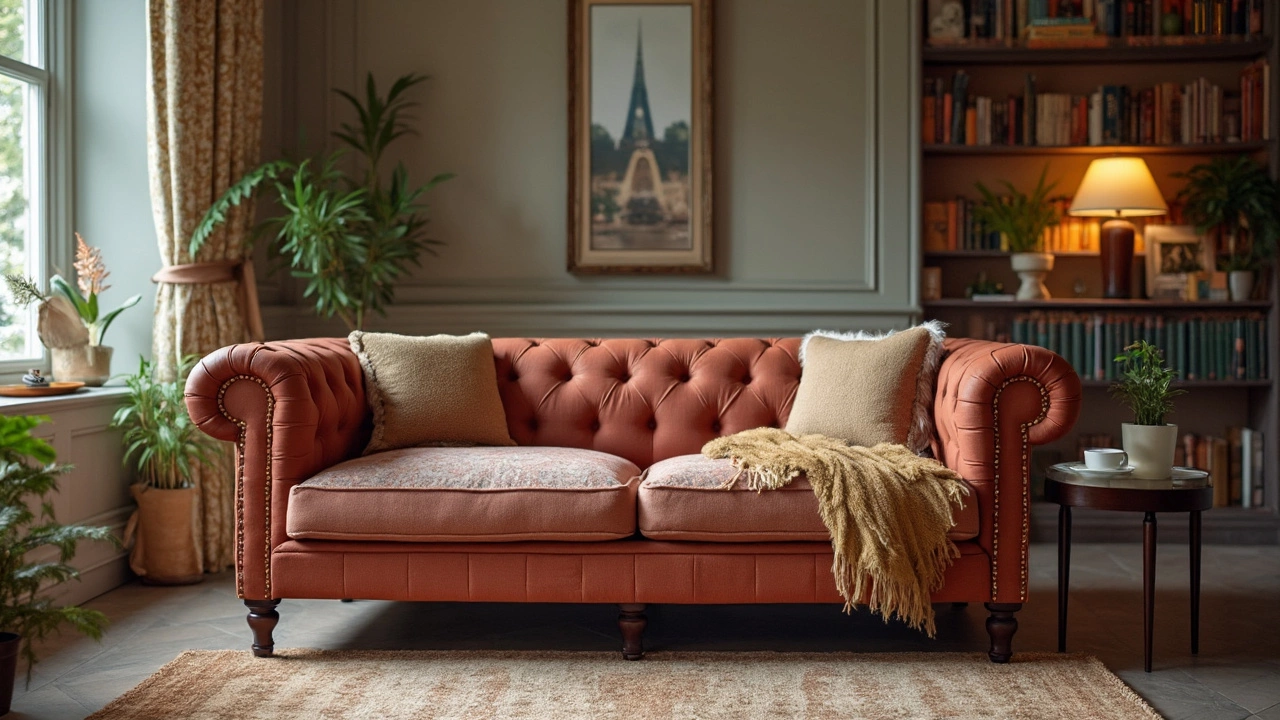
How Long Should a Cheap Sofa Last?
Finding the perfect balance between price and quality can be tricky when purchasing a sofa. This article delves into the expected lifespan of a budget-friendly couch. It provides insights into factors that affect its durability and maintenance tips to extend its life. Discover how materials, construction, and daily use influence how long a cheap sofa can serve your living space.
full article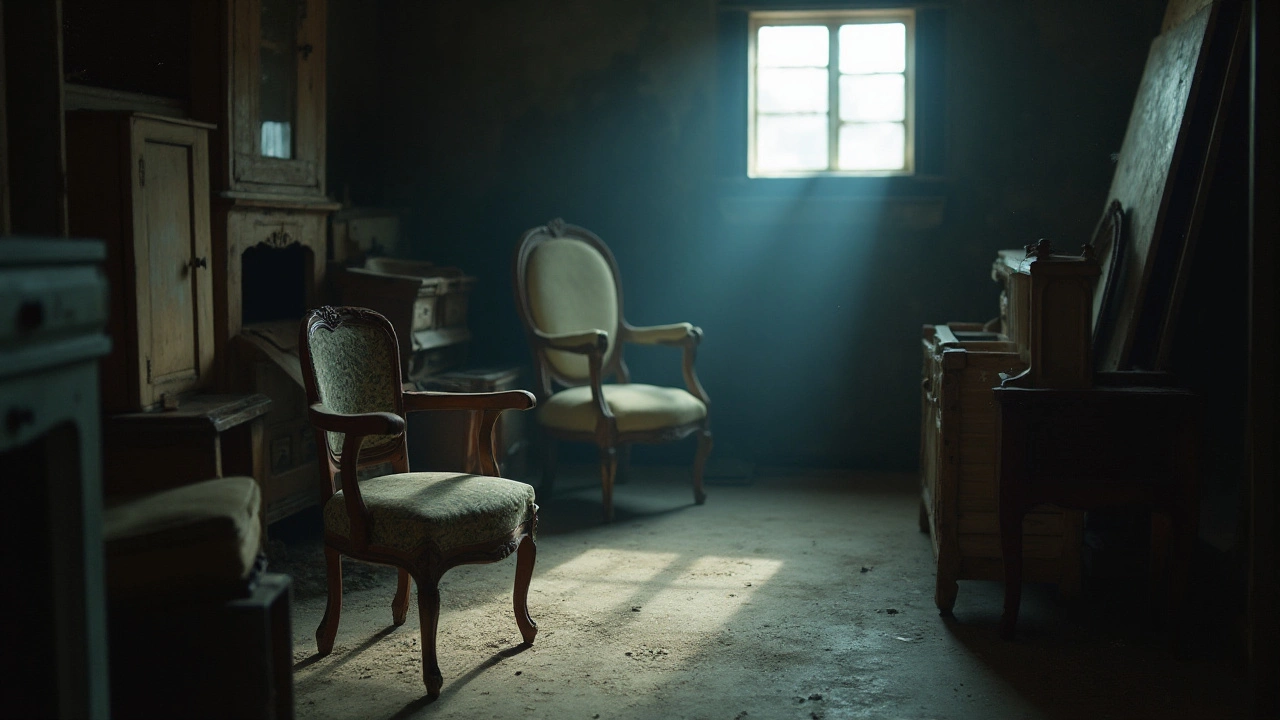
How Long Can Furniture Last in Storage?
Did you know that your furniture can deteriorate while in storage? It's important to know how materials react over time and what conditions can accelerate wear. This article explores how furniture behaves in storage, warning signs to look out for, and strategies to extend the life of your beloved pieces. Protecting your furniture from potential damages requires proper preparation and understanding. Discover essential tips for maintaining your furniture's integrity, whether for short-term storage or long-term safeguarding.
full article