Everything You Need to Know About couch color
When working with couch color, the shade you pick for a sofa or settee that shapes the look of a room. Also known as sofa color, it influences mood, ties together décor, and can even affect perceived room size.
Another key player is couch cushions, the padded inserts that add comfort and visual interest. The cushion material and fabric often dictate how well a color holds up over time. Pairing the right cushion fill with your couch color can boost durability and keep the look fresh.
Don't forget curtain colors, window treatments that can either harmonize or contrast with your sofa hue. A well‑chosen curtain shade can balance a bold couch color or soften a neutral palette, creating a cohesive vibe across the space.
Underlying all these choices are the broader interior design color trends, the current preferences in paint, fabrics, and finishes that guide what’s in style. Trends give you a roadmap for which hues feel fresh, but they’re just a starting point—your personal taste matters more.
How couch color connects to the rest of your room
First, think about the room’s purpose. A lively red or orange couch color can energize a family room where you gather for games. A muted gray or beige fits a calming lounge where you unwind. This is a classic subject‑predicate‑object link: couch color influences room mood. Choose a hue that matches the activity you plan for the space.
Second, consider the lighting. Natural light can soften dark tones, while artificial light may make bright colors look harsh. In practice, couch color requires appropriate lighting to show its true shade. Test paint swatches or fabric samples at different times of day before committing.
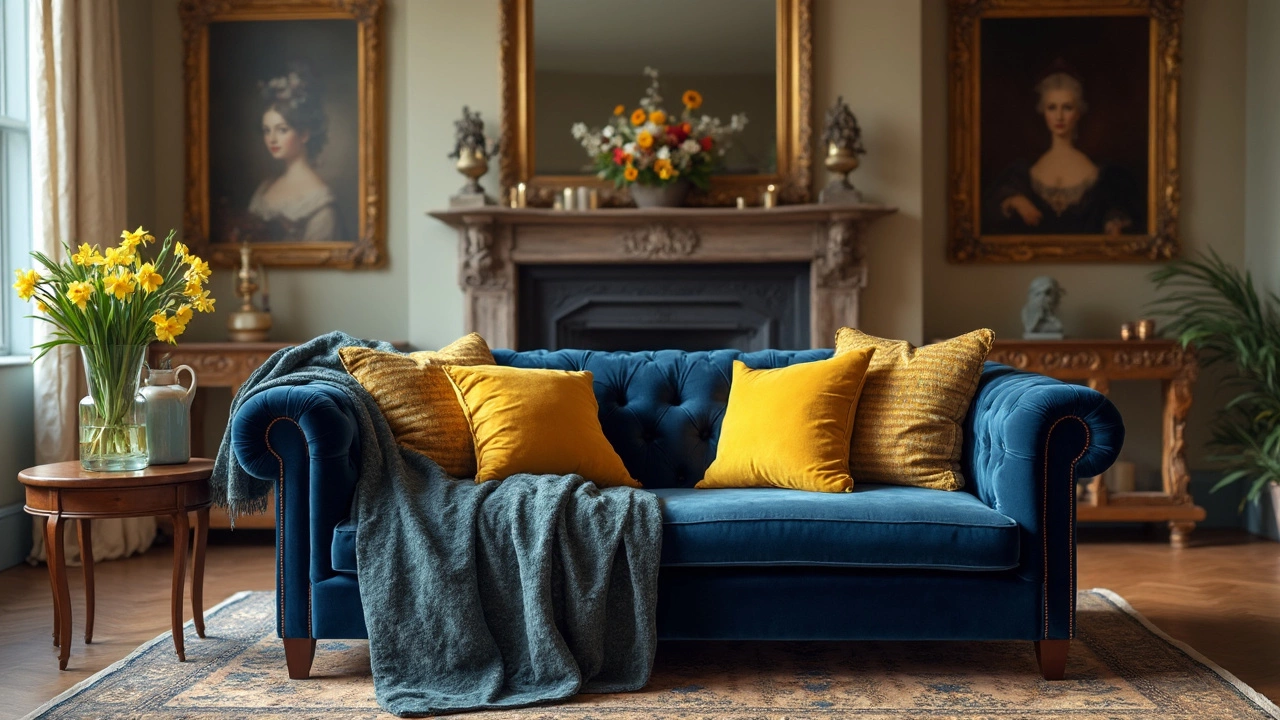
Third, match your cushion fabrics. If you pick a navy couch, lighter cushions in ivory or teal create contrast without clashing. The relationship works both ways: couch cushion type affects how the couch color is perceived. Durable fabrics like polyester or leather hold color better than delicate linen, especially on high‑traffic sofas.
Fourth, align with your curtains and walls. A neutral couch paired with a bold curtain can become the room’s focal point, while a colorful couch with muted curtains lets the sofa shine. Here we see curtain colors complement couch color, forming a visual handshake that ties everything together.
Finally, stay aware of the season’s palette. Today’s trending hues—soft sage, warm terracotta, and deep navy—appear in paint collections and textile lines. If you love staying current, let interior design color trends guide your couch color decision, but blend them with pieces you already own for a lasting look.
Putting it all together, the process looks like this: pick a couch color that fits the room’s vibe, check lighting, choose cushions that support the hue, select curtains that either match or contrast, and sprinkle in a trend color if you’re feeling adventurous. This step‑by‑step flow gives you a roadmap without overwhelming you with jargon.
Below you’ll find a hand‑picked selection of articles that dig deeper into each of these topics—how to pair cushions, the latest curtain color ideas, and the season’s top interior palettes. Whether you’re re‑upholstering an old sofa or buying a brand‑new set, the posts will give you practical tips, real‑world examples, and easy‑to‑follow advice.
Ready to explore the full range of insights? Scroll down to discover guides that cover everything from modernizing furniture to picking the perfect paint shade, all centered around making your couch color work for you.
Best Couch Colors for Hiding Dirt
Choosing the right color for your couch can make all the difference when it comes to keeping your living room looking clean. Some colors have the ability to hide dirt, spills, and stains better than others, making them more practical for busy families or pet owners. This article explores which couch colors are best for maintaining a tidy appearance and provides tips for selecting a sofa color that suits your lifestyle and decor style.
full article