Bedroom Layout Planner
Calculate the best layout for your bedroom based on room dimensions. Follow the article's tips to create a calm, inviting space.
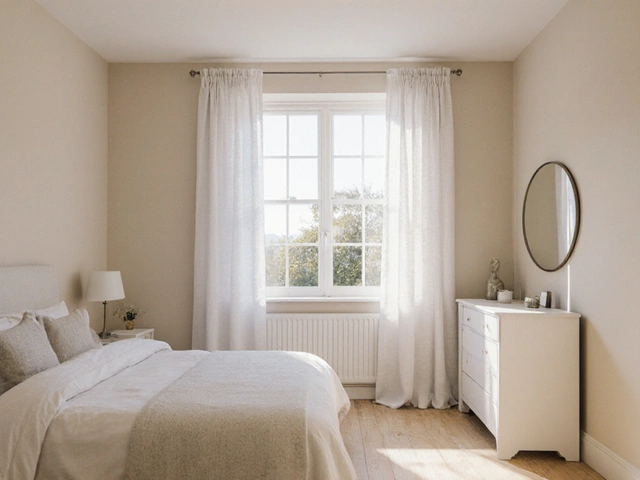
Most people spend a third of their lives in their bedroom. So why does it often look like an afterthought? You don’t need a designer or a big budget to turn your bedroom into a calm, inviting space. The secret isn’t in buying more stuff-it’s in making smarter choices with what you already have. Here’s how to make your bedroom look nice without the stress.
Start with the bed
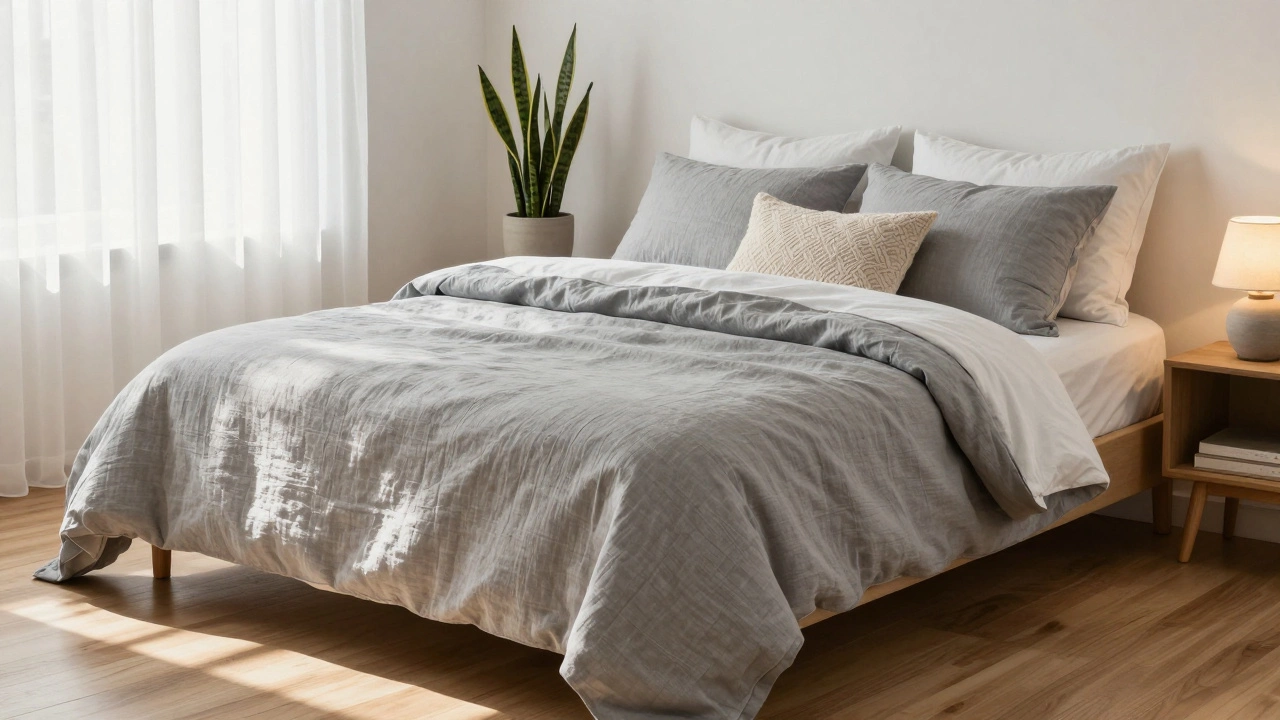
The bed is the heart of the bedroom. If it looks messy or cheap, the whole room feels off. Skip the thin, flat mattress pad and go for a good-quality duvet cover set. Cotton sateen or linen in a neutral tone-like oatmeal, soft gray, or pale blue-works better than white. White shows every stain and gets dull fast. Add two or three pillows: one firm for sleeping, one medium for sitting up, and one decorative pillow with a subtle texture. No need for five pillows. Less is more.
Make sure your sheets are clean and tucked in tightly. A tucked-in fitted sheet with a smooth top layer gives instant polish. If your bed frame is basic or dated, a bed skirt or a long, flowing throw blanket draped over the side hides it instantly. You don’t need to replace the whole frame-just cover it up.
Lighting matters more than you think
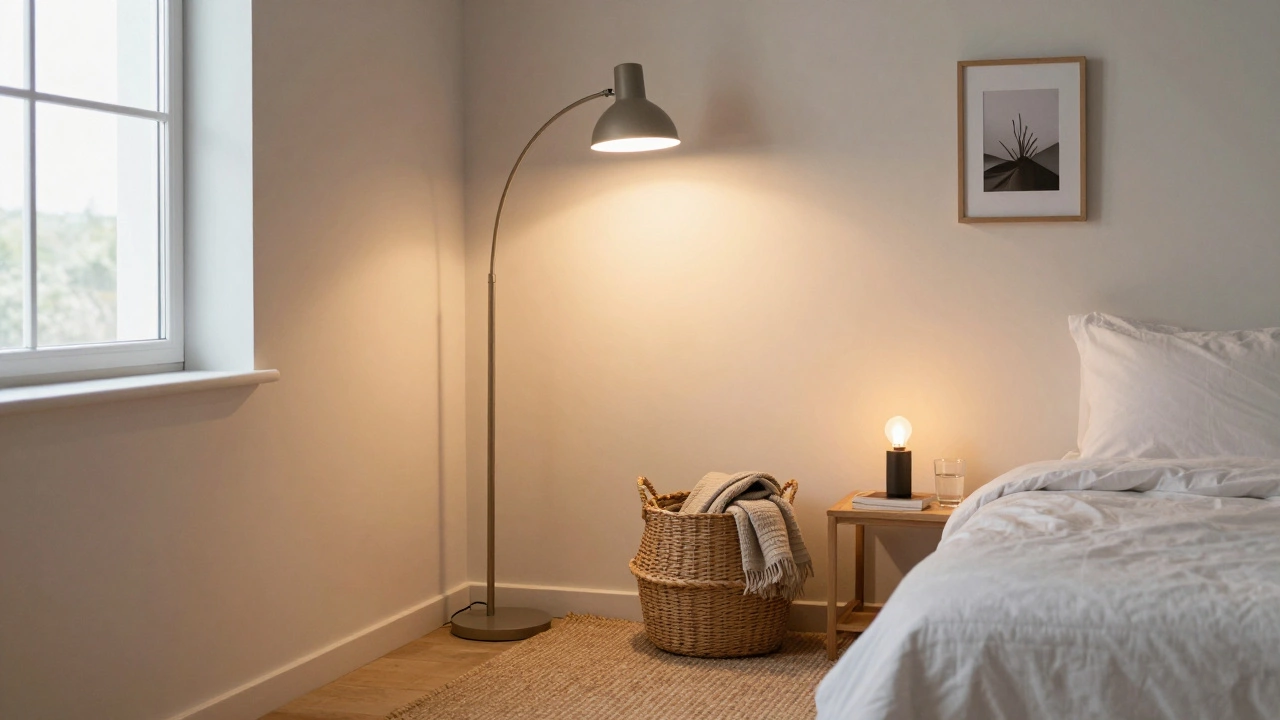
Overhead lights are for waking up, not relaxing. If your only source of light is a ceiling bulb, your room feels like a hospital waiting room. Add at least one lamp on each side of the bed. Even if you don’t read in bed, a warm-toned bulb (2700K) in a simple ceramic or metal lamp creates a cozy glow. Try to keep all your lighting on the same color temperature. Mixing cool and warm light makes the room feel chaotic.
If you have space, add a floor lamp in the corner. It doesn’t have to be fancy. A basic arc lamp or a tall, slim standing lamp with a fabric shade works great. The goal is to create layers of light-not one harsh source. Dimmers help too. Even if your fixtures don’t have them, plug-in dimmer switches for lamps cost under $20 and make a huge difference.
Clear the clutter, but keep it personal
Clutter doesn’t mean messy. It means too many things that don’t belong. That pile of clothes on the chair? Put them away. That stack of books you’ll “read someday”? Keep one or two on the nightstand. The rest? Store them or donate them.
But don’t make your room look like a showroom. You need personality. Hang one or two framed photos you love. A small plant on the windowsill. A woven basket for blankets. A rug that matches the tone of your bedding. These aren’t decorations-they’re touches that make the space feel like yours.
Keep surfaces clear. Nightstands should have room for a lamp, a glass of water, and maybe a book. No chargers, no trash, no random knickknacks. If you can’t fit it in one hand, it doesn’t belong there.
Use color wisely
You don’t need to paint the whole room. But if your walls are a dull beige or an outdated shade of peach, a fresh coat of paint can change everything. Stick to calming colors: soft gray, warm white, muted sage, or a very light blue. Avoid bold reds, bright yellows, or dark navy. They work in living rooms, not bedrooms.
If painting isn’t an option, use textiles. A throw blanket in a richer tone, curtains in a slightly deeper shade, or even a new pillowcase can add depth. Try layering two textures-linen with a wool blend, or cotton with a velvet accent. It adds richness without overwhelming the space.
Organize what you can’t hide
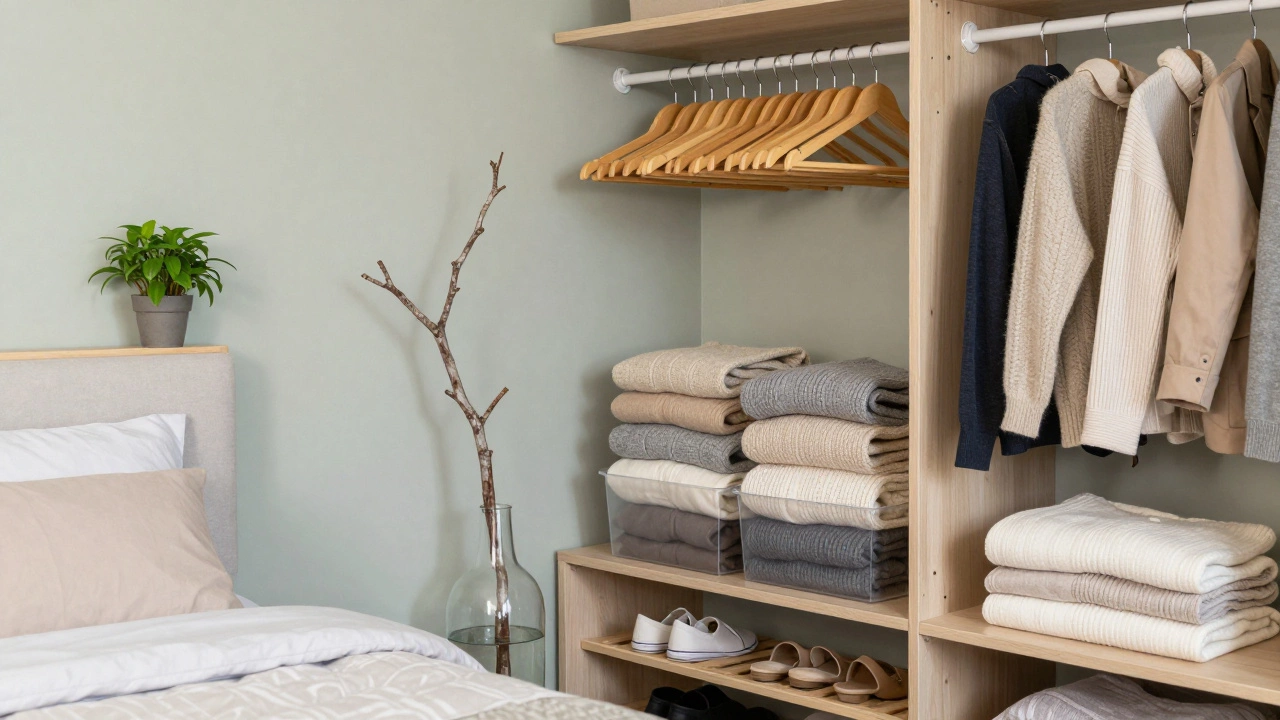
Clutter isn’t just visible stuff. It’s also the stuff you can’t see but know is there. That closet full of clothes you never wear? Go through it. Keep only what you’ve worn in the last year. Use slim, matching hangers. Fold bulky sweaters and stack them neatly on a shelf. Use clear bins for seasonal items.
Under-bed storage? Use it. Flat bins with wheels work better than bulky boxes. Slide them out, grab what you need, and push them back. No one sees them, but you’ll feel the difference every morning.
Keep cords tidy. Use a small cord organizer or a decorative box to hide chargers and electronics. Don’t let wires snake across the floor. Even a simple zip tie bundle makes it look intentional.
Bring in nature
Plants aren’t just decor-they’re mood boosters. A snake plant or a ZZ plant needs almost no light and hardly any water. Put one on the windowsill or in a corner. A small potted herb like mint or rosemary on the nightstand adds a quiet, fresh scent. Avoid flowers that need constant care. You want low-maintenance life, not another chore.
Even a single branch in a vase counts. Find a fallen branch on a walk, trim it slightly, and put it in a tall glass. It brings texture and quiet beauty without asking for anything in return.
Finish with the floor
Hardwood floors look great, but if you’ve got carpet, don’t stress. A rug can fix almost anything. Pick one that’s big enough to fit under the bed with at least 18 inches showing on each side. A natural fiber rug-jute, seagrass, or wool-adds warmth and texture. Avoid thin, slippery rugs. They look cheap and feel unsafe.
If your room is small, go for a light-colored rug. It opens up the space. If it’s dark, a slightly darker rug anchors the room. The key is size and texture, not price.
Keep it simple, keep it consistent
The most beautiful bedrooms don’t have a lot of stuff. They have rhythm. One lamp. One plant. One rug. One piece of art. Everything matches in tone, not style. If your bed is modern, keep the nightstands simple. If your furniture is rustic, choose a rug with a natural weave. Don’t mix five different styles. Pick one vibe and stick with it.
Step back every few days. Look at the room like a visitor would. What feels heavy? What feels cold? What’s missing? Adjust one thing at a time. Maybe swap a pillow. Maybe move the lamp. Maybe just open the curtains wider in the morning. Small changes add up.
Your bedroom should feel like a place you want to be-not a room you just sleep in. It doesn’t need to be Instagram-perfect. It just needs to feel like peace.
How often should I change my bedding to keep my bedroom looking nice?
Change your sheets at least once a week. That’s the standard for hygiene and freshness. But if you want your room to look consistently tidy, swap out your duvet cover and pillowcases every two weeks. Use a different set seasonally-lighter fabrics in summer, heavier weaves in winter. It’s an easy way to refresh the room without spending money.
Can I make a small bedroom look bigger?
Yes. Use light colors on walls and bedding. Keep furniture low and streamlined-avoid tall headboards or bulky dressers. Mirrors help, but place them to reflect natural light, not clutter. Keep the floor as visible as possible-no rugs that cover too much. A single, well-placed floor lamp instead of multiple small lamps also opens up the space visually.
What’s the best way to organize clothes in a small closet?
Start by removing everything. Sort into three piles: keep, donate, discard. Keep only what fits and what you wear. Use slim, uniform hangers. Fold bulky items like sweaters and store them vertically in bins. Hang shirts and pants by type. Add a second rod for shorter items like shirts or skirts. A shoe rack on the floor or a hanging organizer for accessories keeps things contained. Label bins if it helps you remember what’s inside.
Should I use curtains or blinds in my bedroom?
Curtains are better for comfort and style. Choose blackout lining if you need to block light for sleep. Go for floor-length panels in a soft fabric like cotton or linen. They absorb sound and look more inviting than hard blinds. If you need privacy during the day, use sheer curtains behind blackout ones. Blinds work for function, but curtains add warmth and texture.
Is it worth investing in a good mattress?
Absolutely. A mattress lasts 7-10 years, and you spend 8 hours a night on it. If you wake up sore, toss and turn, or feel like you’re sleeping on a board, it’s time. Look for medium-firm support, especially if you sleep on your side. Memory foam, hybrid, or latex are all good options. Don’t buy based on brand alone-test it in person if you can. Your body will thank you.