Armoire Cost Breakdown Calculator
Configure Your Armoire
Estimated Retail Price
Based on current market dynamics
Cost Breakdown
You walk into a furniture store, spot a beautiful armoire that is a large, freestanding wooden cabinet used for storing clothes or linens, and then you see the price tag. Your jaw drops. $1,500? $3,000? Maybe even more? It’s easy to assume these pieces are just overpriced boxes with doors. But if you’ve ever tried to build one yourself or looked at the materials list, you’d realize the sticker shock isn’t arbitrary. There is a lot going on behind those carved doors.
We live in an era of flat-pack furniture where you can buy a bookshelf for $49. Comparing an armoire to that is like comparing a handcrafted leather jacket to a polyester windbreaker. To understand why your wallet hurts, we need to look at what you’re actually paying for: heavy timber, skilled labor, complex engineering, and the sheer volume of material required.
The Weight of Solid Wood
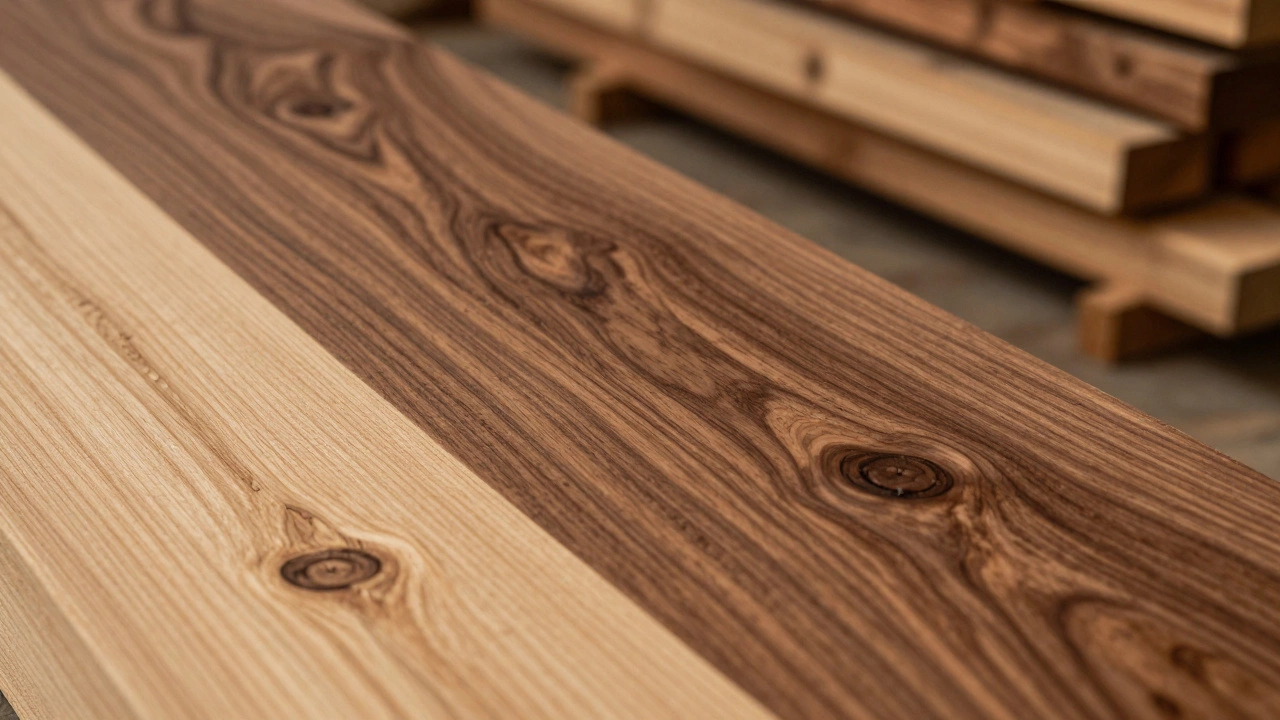
The single biggest driver of cost is the material itself. Most budget-friendly wardrobes use particleboard, MDF (medium-density fiberboard), or thin veneers. These materials are cheap to produce because they are made from wood waste pressed together with glue. An armoire, by definition, usually implies something sturdier. High-end models use solid hardwoods like oak, walnut, cherry, or mahogany.
Solid wood is expensive for three reasons:
- Raw Material Cost: A mature oak tree takes decades to grow. You aren't just buying wood; you're buying time. Lumber prices fluctuate based on supply chains, tariffs, and environmental regulations. In 2026, sustainable sourcing standards have driven up the cost of certified hardwoods significantly compared to plantation-grown softwoods.
- Weight and Shipping: An armoire is heavy. We’re talking 150 to 300 pounds. Shipping this weight requires specialized freight logistics, not standard parcel delivery. You pay for the fuel, the truck space, and the white-glove service needed to get it into your home without damaging your floors or walls.
- Yield Loss: When you cut solid wood, you lose material to knots, cracks, and grain irregularities. Manufacturers must buy more lumber than they end up using. This "waste" factor is baked into the final price.
If you see an armoire priced under $800, check the specs. It’s likely engineered wood with a veneer. That’s fine if you want affordability, but it won’t last as long or feel as substantial as solid timber.
Labor Intensity and Craftsmanship
Furniture manufacturing has become highly automated, but armoires resist full automation due to their size and complexity. While a simple table can be assembled by robots, an armoire often involves joinery techniques that require human hands.
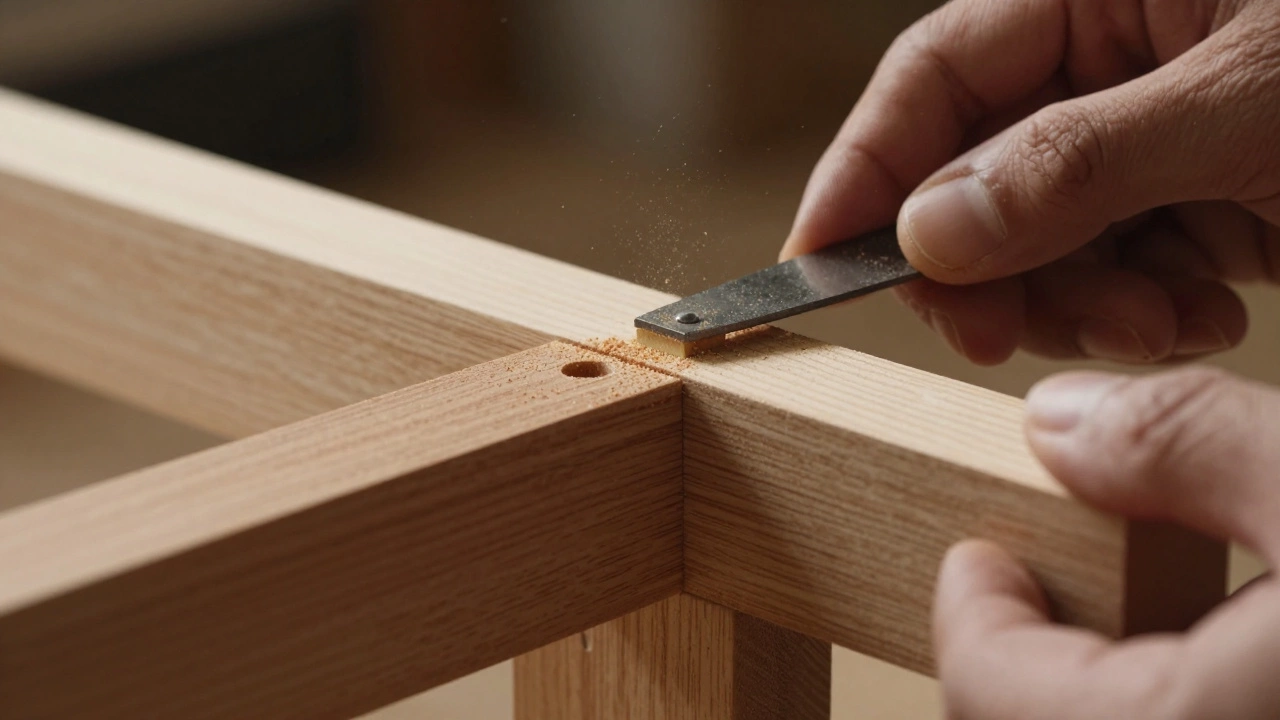
Consider the construction methods. Cheap furniture uses cam locks and dowels-plastic connectors that strip out over time. Quality armoires use mortise-and-tenon joints, dovetails, or reinforced screw connections. These joints take longer to create. They require precision cutting tools and skilled carpenters who know how to align pieces so the structure remains square for decades.
Then there is the finishing process. Painting or staining a small shelf is quick. Finishing a massive armoire involves multiple coats of primer, stain, and topcoat. Each coat needs sanding and drying time. If the piece has raised panel doors or intricate carvings, machines can only do so much. Human artisans must sand by hand to ensure smooth edges and consistent color absorption. Labor costs in North America and Europe have risen steadily, making this time-intensive process a major component of the retail price.
Hardware and Internal Mechanics
It’s not just about the box; it’s about what goes inside. An armoire is essentially a vertical storage system. To make it functional, manufacturers install internal components that add up quickly.
| Component | Budget Option | Premium Option | Price Impact |
|---|---|---|---|
| Hinges | Basic plastic/metal | Soft-close, stainless steel | $20 - $100+ |
| Drawers | Sliding particleboard | Full-extension ball-bearing slides | $50 - $200+ |
| Shelving | Fixed thin shelves | Adjustable thick solid wood | $30 - $150+ |
| Handles/Knobs | Plastic inserts | Brass, bronze, or custom metal | $10 - $50 per set |
Soft-close hinges alone can add significant cost because they contain dampening mechanisms that prevent slamming. Full-extension drawer slides allow you to access the back of the drawer, which requires stronger, more complex hardware than basic runners. If the armoire includes a tie rack, shoe organizer, or valet rod, each of these adds material and installation time.
Design Complexity and Aesthetics
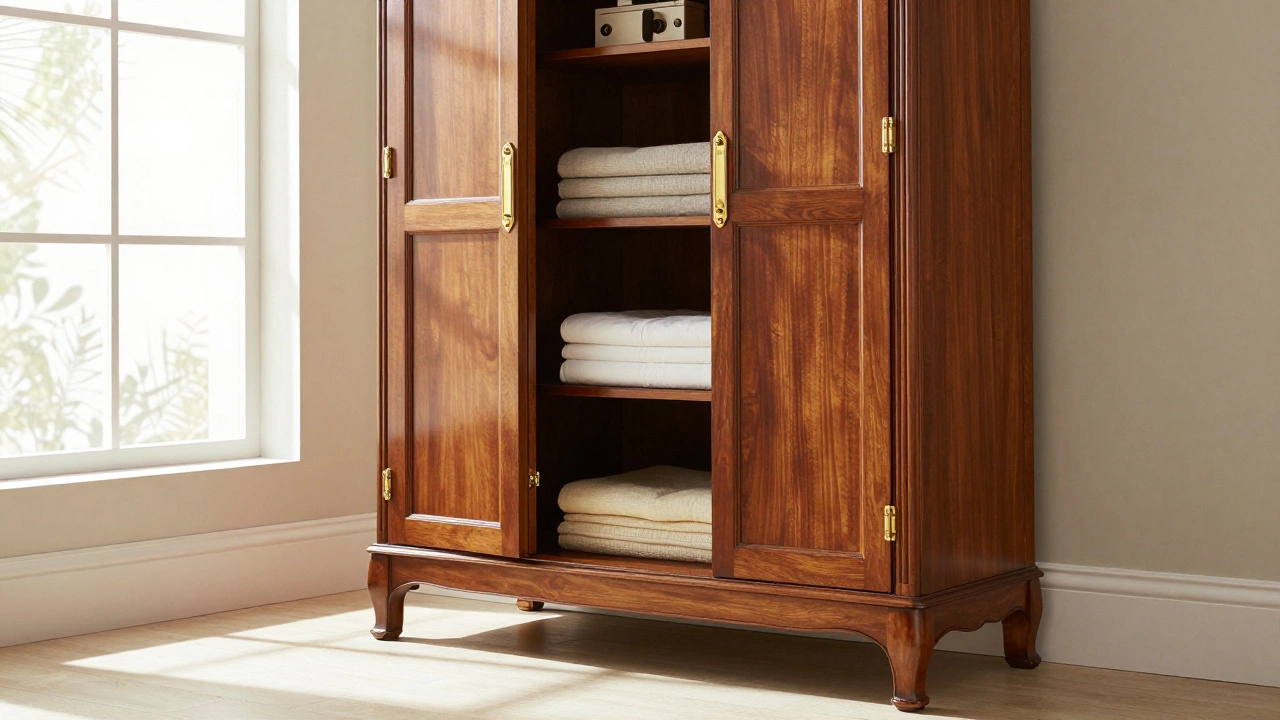
A plain rectangular box is cheap to make. An armoire with curved legs, arched door tops, glass insets, or decorative molding is not. Design complexity drives up costs in two ways: tooling and risk.
To create detailed moldings or carved elements, manufacturers need specialized CNC (Computer Numerical Control) routers or manual carving tools. Setting up these machines takes time. If the design changes slightly, the programming or templates must be updated. Furthermore, complex shapes are harder to ship. Bulky, irregularly shaped furniture requires custom crating to prevent damage during transit. You are paying for the insurance and packaging that keeps your investment safe.
Brand reputation also plays a role. Established brands charge a premium for their name because they offer warranties, customer service, and consistency. When you buy from a known manufacturer, you’re paying for the assurance that if a hinge breaks in five years, they’ll replace it. Unknown sellers might offer lower prices but lack this safety net.
Market Dynamics and Supply Chain
In 2026, the global supply chain for furniture remains sensitive. Tariffs on imported wood products, fluctuations in oil prices (affecting shipping costs), and labor shortages in manufacturing hubs all contribute to higher base prices. Additionally, the trend toward sustainable and ethically sourced materials means companies cannot simply cut corners to lower costs. Consumers are increasingly demanding transparency, forcing manufacturers to invest in certified suppliers who pay fair wages and protect forests. This ethical premium is reflected in the final price tag.
Finally, consider the alternative. Building a custom closet system in your home requires demolition, framing, shelving installation, and professional labor. A DIY closet kit might cost $500-$1,000, but installing it properly can take weekends and still look amateurish. An armoire is a turnkey solution. It arrives ready to use, fits anywhere, and can be moved if you relocate. That flexibility has value.
Is an Armoire Worth the Investment?
If you’re renting or moving frequently, an armoire makes sense. It provides privacy and organization without altering your lease property. For homeowners, it serves as a stylish supplement to built-in closets. The key is matching the price to the quality. Don’t pay $3,000 for a veneer piece. Look for solid wood cores, sturdy hardware, and reputable craftsmanship. Check reviews for stability issues. Measure your space carefully. And remember, while the upfront cost is high, a well-made armoire can last generations, making it cheaper per year than replacing cheap wardrobes every few years.
What is the average price of a good quality armoire?
A mid-range solid wood armoire typically costs between $1,200 and $2,500. Budget options using engineered wood start around $400-$800, while luxury custom pieces can exceed $5,000.
Are armoires worth more than closet organizers?
It depends on your situation. Armoires are better for renters or homes with small closets because they are portable and private. Closet organizers are permanent solutions that maximize existing space but require installation and cannot be moved.
Why are some armoires so light?
Lightweight armoires are usually made from particleboard, MDF, or hollow-core wood. While cheaper and easier to move, they are less durable, prone to sagging shelves, and may not withstand frequent use as well as solid wood alternatives.
Can I negotiate the price of an armoire?
Yes, especially in physical furniture stores or when buying floor models. Many retailers offer discounts during holidays or clearance sales. Online prices are generally fixed, but you can sometimes find coupon codes or bundle deals.
How long does a solid wood armoire last?
With proper care, a solid wood armoire can last 50 years or more. Avoid placing it in direct sunlight to prevent fading, and tighten hardware periodically to maintain structural integrity.