Furniture Durability Analyzer
Analysis Result
Ready to Analyze
Select options above and click analyze.
Have you ever bought a sofa or dining table that looked great on day one but started sagging, wobbling, or chipping within two years? It’s frustrating. We invest significant money into our homes, expecting those pieces to stand the test of time. Yet, many of us end up replacing items far too soon because we didn’t know what to look for when shopping. The secret isn't just about price; it's about materials and construction methods.
Finding long lasting furniture requires looking past the trendy finishes and understanding the bones of the piece. Whether you are furnishing a busy family room or a quiet study, the right choices today save you money and hassle tomorrow. Before we dive into specific materials, it helps to understand why some items fail while others last decades. It usually comes down to three factors: the core material, the joinery (how parts connect), and the finish. If you're interested in exploring different types of services and directories that prioritize verified quality, you might find interesting resources like this directory, which operates on similar principles of transparency and verification, though obviously in a completely different industry.
The Gold Standard: Solid Hardwoods
When people talk about furniture that lasts generations, they are almost always talking about solid wood. But not all wood is created equal. Softwoods like pine, cedar, and fir are easier to work with and cheaper, but they dent easily. If you have kids or pets, a pine coffee table will likely show every drop of juice and toy impact within months.
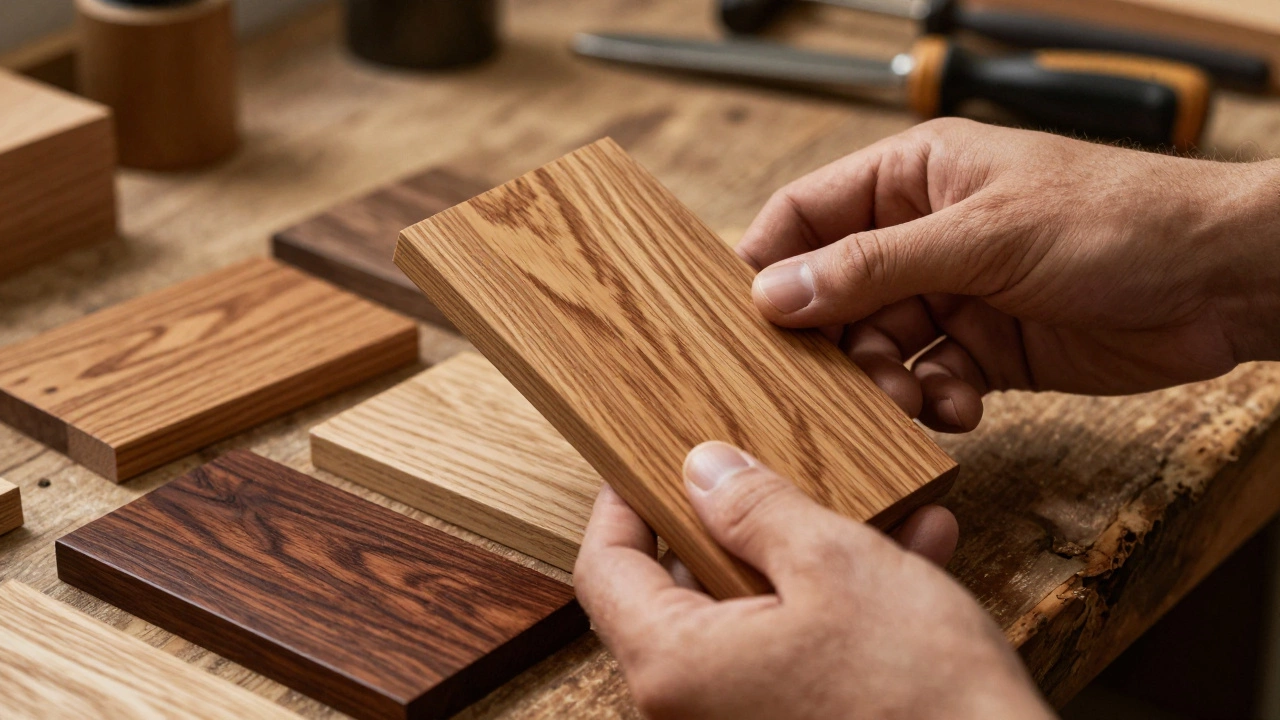
For true durability, you want hardwoods. Oak, maple, walnut, cherry, and teak are the top contenders. These woods are dense, meaning they resist wear and tear much better than their softer cousins. White oak, for example, is incredibly tough and water-resistant, making it excellent for dining tables where spills happen. Walnut is slightly softer but ages beautifully, developing a rich patina over time rather than showing ugly scratches. Teak is often used outdoors because its natural oils repel moisture, but it works wonderfully indoors too due to its stability.
Here is a quick comparison of common hardwoods:
| Wood Type | Durability Rating | Best Use Case | Price Range |
|---|---|---|---|
| Oak | High | Dining tables, floors | Moderate to High |
| Maple | Very High | Kitchen cabinets, chairs | Moderate |
| Walnut | Medium-High | Living room accents, desks | High |
| Cherry | Medium | Dressers, bookshelves | High |
| Teak | Very High | Outdoor furniture, humid areas | Very High |
Avoid "solid wood" claims that don't specify the type. Some manufacturers use cheap, fast-growing hardwoods that aren't nearly as durable as traditional oak or maple. Always ask for the specific species.
Construction Matters More Than You Think
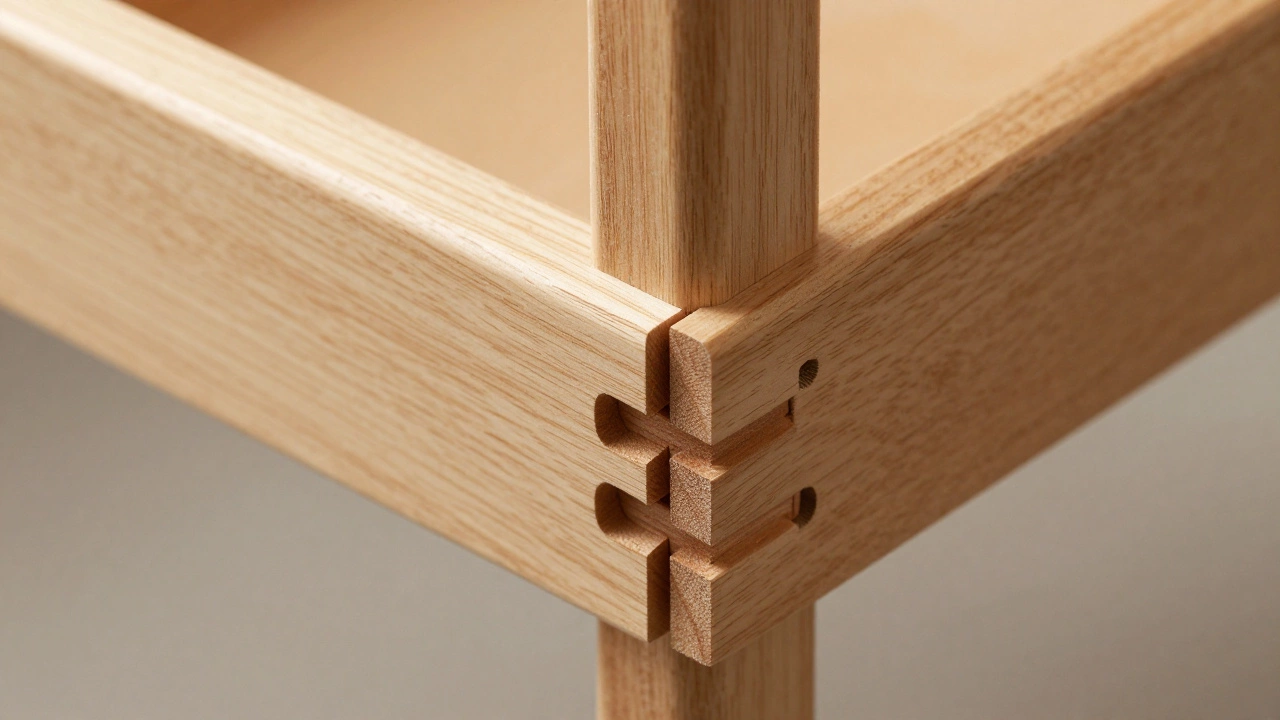
You can have the best wood in the world, but if it's held together with nails and glue, it won't last. The way pieces are joined determines how well the furniture handles stress and movement over time. Wood expands and contracts with humidity changes. Rigid joints crack; flexible, strong joints hold firm.
Look for these joinery techniques:
- Dovetail Joints: Common in drawers. They look like interlocking fingers. This design makes the joint stronger than the wood itself. If you see stapled or nailed drawer boxes, walk away.
- Mortise and Tenon: The classic method for chair legs and table frames. One piece of wood has a hole (mortise), and another has a peg (tenon) that fits inside. It provides immense strength against pulling forces.
- Box Joints: Similar to dovetails but with square cuts. Often seen in high-end cabinetry and chests.
If you lift a piece of furniture and it feels surprisingly light, be skeptical. Heavy usually means solid wood and substantial joinery. Light often signals particleboard, MDF (medium-density fiberboard), or thin veneers glued onto cheap cores. While veneer isn't inherently bad-it can be very durable if applied correctly over a stable substrate-it's often used to hide poor construction.
Upholstery That Withstands Daily Life
Soft furniture presents a different challenge. Fabric wears out, foam compresses, and frames break. To ensure your sofa or armchair lasts, focus on the frame first. A kiln-dried hardwood frame is essential. Kiln drying removes moisture, preventing warping and shrinking later. Avoid frames made from plywood alone or unseasoned lumber.
Next, consider the cushioning. High-resilience (HR) foam is the standard for longevity. It bounces back after sitting, whereas low-density foam flattens out, leaving you with a hard, uncomfortable seat. Look for foam densities of at least 1.8 pounds per cubic foot for seating. For even better durability, some high-end sofas use pocket springs inside the cushions, similar to mattresses. This adds support and extends the life of the foam.
Fabric choice is critical too. Natural fibers like cotton and linen look beautiful but stain easily and wear thin. Synthetic blends or performance fabrics are game-changers. Brands like Sunbrella or Crypton offer fabrics that resist stains, moisture, and fading. They are engineered for heavy use, making them ideal for families with kids or pets. When buying upholstery, check the "double rub" count. A double rub is one pass of a rubbing machine. Furniture-grade fabric should have at least 15,000 double rubs. For commercial-grade durability, aim for 30,000 or more.
Metal and Glass: Strength Meets Style
Not all long-lasting furniture is wood. Metal frames, particularly steel and wrought iron, offer incredible structural integrity. Steel is resistant to bending and breaking, making it perfect for bed frames, office chairs, and industrial-style tables. Wrought iron is heavier and more decorative, often used in outdoor settings or vintage-inspired interiors. Both metals need proper finishing to prevent rust, especially in humid climates like Vancouver's.
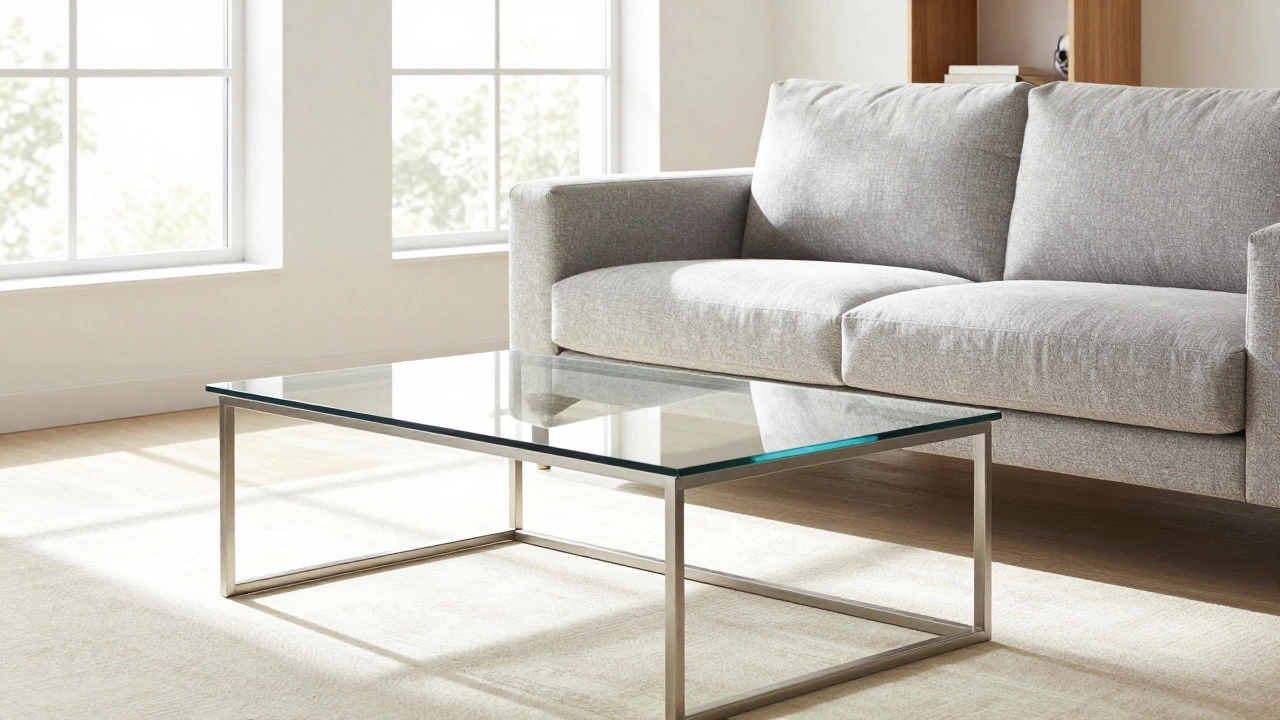
Glass tops are popular for dining and coffee tables because they protect the surface underneath from heat and spills. However, glass can shatter. Tempered glass is mandatory for safety. It is treated to break into small, dull pieces rather than sharp shards. Ensure the glass is thick enough-at least 1/4 inch for tabletops-to prevent cracking under weight.
Combining materials often yields the most durable results. A steel frame with a solid wood top gives you the strength of metal with the warmth and repairability of wood. If the wood gets scratched, you can sand and refinish it. If the steel bends, it's usually a sign of extreme abuse, but it's rare.
Red Flags: What to Avoid
Knowing what to buy is half the battle. Knowing what to avoid saves you from costly mistakes. Here are common pitfalls:
- Particleboard and MDF: These are engineered woods made from sawdust and glue. They swell when exposed to moisture and don't hold screws well. Once a screw pulls out, the hole stays stripped. Great for budget rentals, terrible for heirlooms.
- Cam Locks: Small metal discs that pull boards together. Common in flat-pack furniture. They weaken over time as the wood compresses. Your IKEA dresser might wobble after a year because of this.
- Thin Veneers: If the veneer is paper-thin, it chips easily. Check the edges. If you see raw chipboard or uneven layers, it's a sign of poor quality.
- Non-Removable Cushions: If you can't remove the covers for cleaning, dirt and allergens build up inside. Removable, washable covers extend the life of the fabric significantly.
Maintenance Extends Lifespan
Even the best furniture needs care. Dust regularly with a soft, dry cloth. Vacuum upholstered pieces to remove grit that acts like sandpaper on fibers. Clean spills immediately, especially on wood. Use coasters and placemats to protect surfaces from heat and moisture rings.
For wood furniture, occasional polishing with a quality wax or oil keeps the finish healthy. Avoid silicone-based polishes, which can build up and make refinishing difficult later. Re-tighten screws and bolts annually, especially on chairs and tables that get moved frequently. A little maintenance goes a long way in keeping your investment looking new.
Is solid wood always better than engineered wood?
Generally, yes. Solid wood is more durable, repairable, and valuable over time. Engineered woods like particleboard and MDF are cheaper but prone to swelling, breaking, and stripping screws. High-quality plywood can be a durable alternative, but it still doesn't match the longevity of solid hardwoods.
How do I know if a sofa frame is sturdy?
Lift the sofa. It should feel heavy and solid. Ask the retailer about the frame material-kiln-dried hardwood is best. Check if the cushions are removable; this allows you to inspect the frame and springs. Look for corner blocks reinforced with screws, not just glue.
What is the most durable fabric for upholstery?
Performance fabrics like Sunbrella or Crypton are top choices. They resist stains, moisture, and fading. Leather is also very durable, especially full-grain leather, which develops a patina instead of wearing out. Look for fabrics with a high double-rub count (15,000+).
Can I repair damaged wood furniture?
Yes, solid wood furniture can often be sanded and refinished to look new again. This is one of its biggest advantages over veneer or painted surfaces. Minor scratches can be touched up with markers or wax sticks. Major damage may require professional restoration.
Are dovetail joints really necessary?
Dovetail joints are a sign of high-quality craftsmanship, especially in drawers. They provide superior strength and resistance to pulling apart. While other joints can be strong, dovetails are a reliable indicator that the manufacturer cares about durability.