Commercial Use Classifier
Answer these 4 questions to determine if your space likely qualifies as commercial use. This tool is based on BC zoning regulations and building codes.
Answer the questions above to see classification results
WARNING: This is NOT legal advice.
Misclassification can lead to:
- Fines up to $10,000
- Insurance denial
- Forced shutdowns
- Back taxes and penalties
When you hear commercial use, you might think of big office towers or shopping malls. But the truth is, it covers a lot more than that - and getting it wrong can cost you thousands in fines, delays, or even forced shutdowns. If you’re planning to build, renovate, or repurpose a space for business, you need to know exactly what counts as commercial use - and what doesn’t.
What Exactly Is Commercial Use?
Commercial use means any activity carried out in a building or space that generates income, serves the public, or supports business operations. It’s not about who owns the property - it’s about what happens inside it.
Think of it this way: if people are coming in to buy something, get a service, work for a company, or gather for business purposes, it’s commercial. That includes everything from a single-person consulting office in a converted garage to a 20-story high-rise with 500 employees.
Here’s the catch: the same building can be residential or commercial depending on how it’s used. A house turned into a day care? Commercial. A studio apartment where you run an online store from your laptop? Still residential - unless you’re regularly receiving customers or deliveries for sales.
Common Examples of Commercial Use in Construction
Not all commercial projects look like skyscrapers. Here are real-world examples you might not realize are classified as commercial:
- Daycares and preschools - even if they’re in a small storefront or home
- Medical clinics, dental offices, and physical therapy centers
- Restaurants, coffee shops, food trucks with fixed locations
- Hotels, motels, and short-term rentals that operate like businesses (not personal Airbnb hosts)
- Retail stores, boutiques, and pop-up shops in leased spaces
- Office buildings, co-working spaces, and professional service providers (lawyers, accountants, architects)
- Warehouses and distribution centers used for business inventory
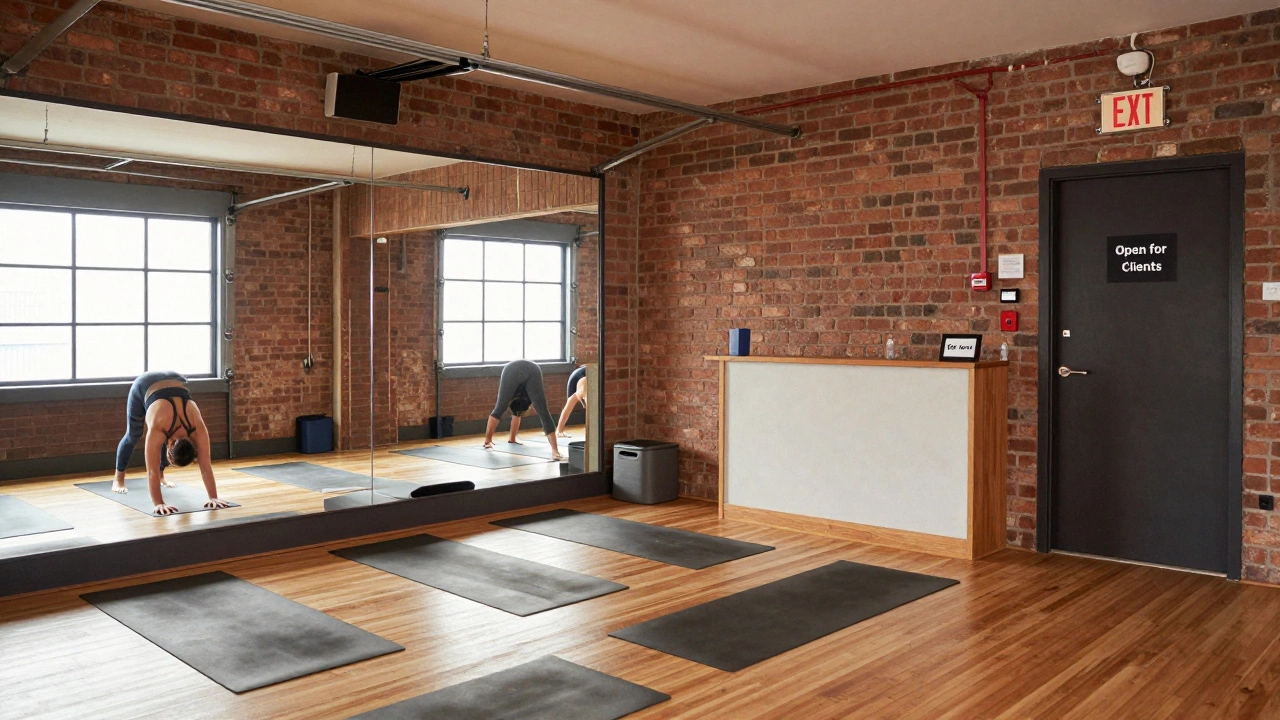
- Gyms, yoga studios, and fitness centers open to the public
- Car washes, auto repair shops, and tire centers
- Entertainment venues: movie theaters, bowling alleys, escape rooms
Even a single room in a building can change its classification. If you convert a basement into a massage therapy studio and start taking appointments from clients outside your household, you’ve crossed into commercial territory - no matter how small the space.
How Zoning Laws Define Commercial Use
Every city has zoning rules that say what kinds of buildings can go where. In Vancouver, for example, a property zoned as Commercial (C1) allows retail, offices, and restaurants. But if you try to open a bakery in a home zoned Residential (R1), the city can shut you down - even if you’re the only one working there.
Zoning isn’t just about what you do - it’s about how you do it. A home-based business with no signage, no customers coming in, and no parking disruption might fly under the radar. But add a sign, a delivery truck, or more than two clients per day? That’s when zoning inspectors take notice.
Most municipalities divide commercial zones into categories:
- Light Commercial: Small offices, clinics, studios, repair shops
- General Commercial: Retail stores, restaurants, banks
- Heavy Commercial: Warehouses, manufacturing, large-scale distribution
Each has different rules for parking, noise, building height, and setbacks. You can’t just assume your neighborhood allows what you want. Always check your local zoning map - and don’t rely on what the previous owner did.

Building Codes Change for Commercial Use
Residential and commercial buildings follow different safety rules. Commercial use triggers stricter codes because more people are involved, often for longer hours.
For example:
- Commercial buildings need at least two exits - not just one staircase
- Fire alarms must be connected to a monitoring service, not just a local siren
- Restrooms must meet ADA standards and often require more stalls
- Electrical systems must handle higher loads - think servers, HVAC, kitchen equipment
- Insulation, soundproofing, and ventilation requirements are tighter
These aren’t suggestions. They’re legally required. Skipping them can lead to failed inspections, denied occupancy permits, or even lawsuits if someone gets hurt.
One real case in Surrey, B.C.: A couple turned their garage into a yoga studio. They didn’t get a permit. After a fire alarm went off during a class, the fire department found no sprinklers, no second exit, and no emergency lighting. They were fined $18,000 and forced to close.
What’s NOT Commercial Use?
It’s just as important to know what doesn’t count. Here are common misunderstandings:
- Working from home as a freelancer (no clients visiting, no signage)
- Selling handmade goods online - even if you make them in your garage
- Hosting occasional events like a birthday party or family reunion
- Running a small blog or YouTube channel from your living room
- Teaching private lessons to fewer than 3 students at a time in your home
These are considered home-based activities - not commercial use - as long as they don’t disrupt neighbors or violate local bylaws. But if you start advertising, taking walk-ins, or hiring staff, you’re crossing the line.

Why Misclassifying Matters
Getting the classification wrong has real consequences:
- Insurance denial: If you have a home insurance policy and a client slips in your office, your claim could be rejected. Commercial properties need liability coverage.
- Permit denial: You can’t get a building permit for commercial work on a residentially zoned lot.
- Back taxes: Commercial properties are taxed higher. If the city finds out you’ve been operating a business without paying commercial property tax, you’ll owe years of back payments plus penalties.
- Legal action: Neighbors can file complaints. Cities can issue fines, shut you down, or even place liens on your property.
One Vancouver landlord rented out a basement suite to a real estate agent who ran client meetings there. No one noticed - until a neighbor reported noise and parking issues. The city inspected, found commercial activity, and issued a $7,500 fine. The landlord had to evict the tenant and pay to re-convert the space to residential standards.
How to Confirm Your Project’s Classification
Don’t guess. Follow these steps:
- Check your property’s zoning designation on your city’s official website (Vancouver’s is zoning.vancouver.ca)
- Review the permitted uses for your zone - look for "Accessories to Residential" or "Home Occupations" rules
- Call your city’s planning department. Ask: "Does this activity require a commercial permit?" Be specific about what you’re doing
- If in doubt, apply for a Letter of Confirmation. It’s free and gives you legal protection
- Consult a building inspector or commercial contractor before spending money on renovations
Some cities offer free pre-application consultations. Use them. It’s cheaper than fixing a mistake later.
When in Doubt, Treat It as Commercial
Here’s a simple rule: if your project involves the public, generates income, or requires special equipment, assume it’s commercial until proven otherwise.
It’s better to pay for a permit, hire a licensed contractor, and follow code - than to risk fines, insurance gaps, or forced demolition. Commercial construction isn’t just about bigger buildings. It’s about responsibility, safety, and legality.
Whether you’re opening a small shop, turning a warehouse into offices, or adding a dental clinic to your strip mall, the rules are clear: know your use, know your zone, and never skip the permit.
Is a home office considered commercial use?
A home office is only commercial use if you regularly receive clients, customers, or deliveries, or if you have signage, employees, or equipment that changes the nature of the property. If you’re working alone, using your laptop, and have no public access, it’s typically still considered residential. But rules vary by city - always check local zoning.
Can I convert my garage into a commercial space?
You can, but only if your property is zoned for commercial or mixed-use use. Most residential zones don’t allow garage conversions for business without a variance. You’ll need permits, proper insulation, fire separation, ADA-compliant restrooms (if serving the public), and updated electrical systems. Always get approval before starting work.
Do I need a different insurance policy for commercial use?
Yes. Homeowner’s insurance won’t cover business-related accidents, equipment damage, or client injuries. You need commercial general liability insurance - and possibly product liability or professional liability, depending on your business. Without it, you’re personally liable for any claims.
What’s the difference between commercial and industrial use?
Commercial use involves services, sales, or offices - like retail stores, clinics, or restaurants. Industrial use involves manufacturing, heavy machinery, chemical processing, or large-scale production. Industrial zones have stricter noise, emissions, and safety rules. Mixing them up can lead to code violations and shutdowns.
Can I run a short-term rental as commercial use?
Yes - if you’re renting it out for fewer than 30 days at a time and advertising it publicly (like on Airbnb or Booking.com), most cities classify it as commercial. In Vancouver, short-term rentals in residential zones require a license and are limited to certain areas. Operating without one can result in fines up to $10,000.