Timeless Sofa Selector
Find Your Perfect Neutral
Answer these 3 questions to get a personalized recommendation.
Walk into any home from the last twenty years, and you will likely find a beige or grey sofa. It’s not a coincidence. While wall paint trends shift wildly every few seasons-think millennial pink to Gen Z green-the sofa remains the anchor of the living room. You want it to last. You want it to look good today and in ten years. So, what color sofa never goes out of style?
The short answer is: **neutral tones**. Specifically, shades of grey, beige, oatmeal, and navy blue. These colors act as a blank canvas, allowing you to change your decor around them without needing to replace the largest piece of furniture in the room. But picking the "right" neutral isn't just about slapping on a coat of beige. It involves understanding undertones, fabric durability, and how light hits your specific space.
Why Neutrals Are the Only True Timeless Choice
Let’s be real for a second. Bold colors are fun. A bright emerald green velvet sofa can make a statement. But statements have an expiration date. In 2015, mustard yellow was everywhere. In 2020, sage green took over. By 2026, those colors might feel dated if they clash with new art, rugs, or even the lighting in your home.
Neutral colors work because they lack saturation. They don’t compete for attention. When you choose a neutral sofa that serves as a backdrop rather than the star, you gain flexibility. This is the core principle of timeless design: versatility. A neutral sofa allows you to update your throw pillows, blankets, and artwork seasonally. If you love vibrant decor, a neutral base lets those colors pop. If you prefer a minimalist vibe, the sofa blends seamlessly into the architecture.
Think of your sofa like a white t-shirt in your wardrobe. You can dress it up or down, pair it with jeans or a suit, and it always works. A neon orange t-shirt? Maybe once. A neutral sofa is the investment piece that pays dividends in comfort and aesthetic freedom.
The Top Contenders for Timelessness
Not all neutrals are created equal. Some lean warm, some cool, and some sit right in the middle. Here are the four colors that consistently stand the test of time, along with why they work.
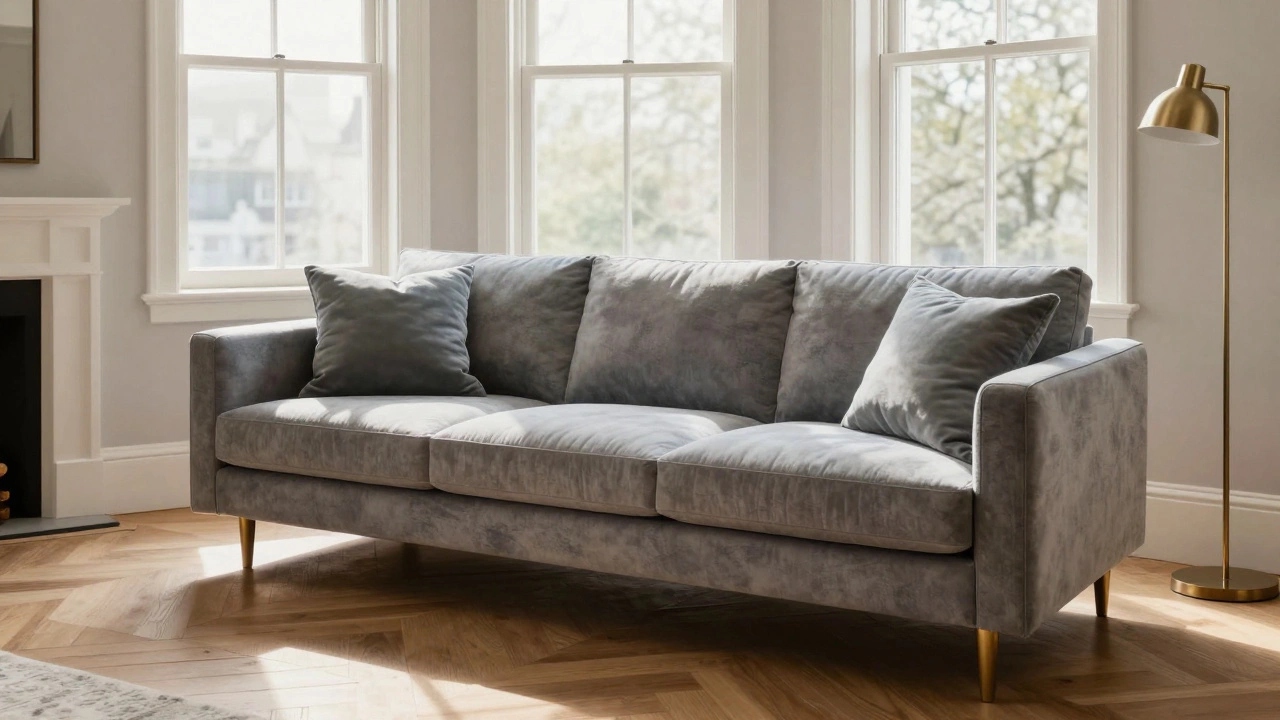
- Mid-Tone Grey: For the past decade, grey has been the king of living rooms. It’s sophisticated, modern, and hides dust better than you’d think. However, avoid stark, cold greys that look like concrete. Aim for greys with a hint of warmth or blue undertones. They pair well with wood tones and brass accents.
- Beige and Oatmeal: As we move away from the sterile "greige" era, warmer beiges are making a comeback. Oatmeal, camel, and sand tones bring organic warmth to a space. They feel inviting and cozy, perfect for families who spend hours lounging. Just be careful with wine spills; lighter beiges show stains more easily than darker shades.
- Navy Blue: Navy is technically a color, but it functions as a neutral in design. It adds depth and richness without overwhelming the room. Navy sofas look incredible against white walls and light wood floors. It’s also surprisingly practical-it hides wear and tear better than lighter fabrics while still feeling fresh and clean.
- Charcoal: If you want drama without trendiness, go dark. Charcoal is essentially black softened by grey. It anchors a large room beautifully and makes lighter accessories stand out. It’s less forgiving of lint and pet hair, so consider the texture of the fabric carefully.
Fabric Matters More Than You Think
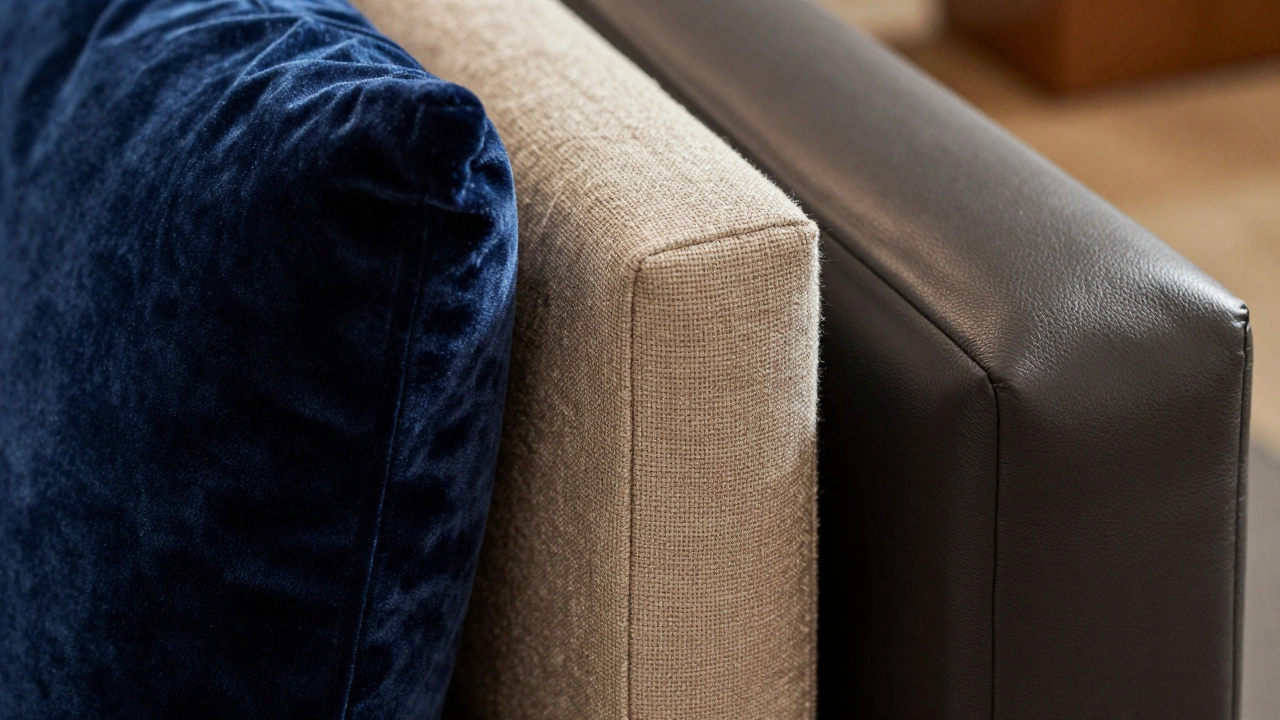
You can pick the most timeless color in the world, but if the fabric falls apart or stains instantly, your sofa won’t last. The material dictates how the color ages. A cheap polyester beige sofa will look faded and pilled within three years. A high-quality linen or wool blend in the same shade will develop a beautiful patina.
| Fabric Type | Durability (Rub Count) | Stain Resistance | Best For |
|---|---|---|---|
| Performance Velvet | High (90,000+ rubs) | Excellent (repels liquids) | Families, pets, high traffic |
| Linen Blend | Medium-High | Low (absorbs spills) | Guest rooms, low-traffic areas |
| Leather | Very High | High (wipeable) | Modern aesthetics, easy cleaning |
| Cotton Canvas | Medium | Low-Medium | Casual, relaxed styles |
If you have kids or pets, skip the delicate silk or pure linen. Look for "performance fabrics" like Crypton or Sunbrella. These materials are engineered to resist stains, odors, and fading. A performance fabric in a mid-tone grey will look brand new after five years, whereas a standard cotton might look tired after two.
How Lighting Changes Everything
This is where most people mess up. A color swatch looks one way in the showroom under bright fluorescent lights, and completely different in your living room at 7 PM. Natural light shifts throughout the day. Morning light is cool and blue; evening light is warm and golden.
Before you buy, take a physical sample of the fabric home. Lay it on the floor where the sofa will sit. Watch it for three days. Check it in the morning, noon, and night. Does the beige turn yellowish in the afternoon sun? Does the grey look purple under your LED bulbs? If the color shifts dramatically, it’s not the right choice for your space.
In Vancouver, where overcast skies are common, cooler tones can sometimes feel a bit flat. Adding warm wood tones or textured rugs helps balance this. In sunny climates, lighter neutrals reflect heat and keep the room feeling airy. Always match the sofa color to your natural light source.
Testing Your Space: The 60-30-10 Rule
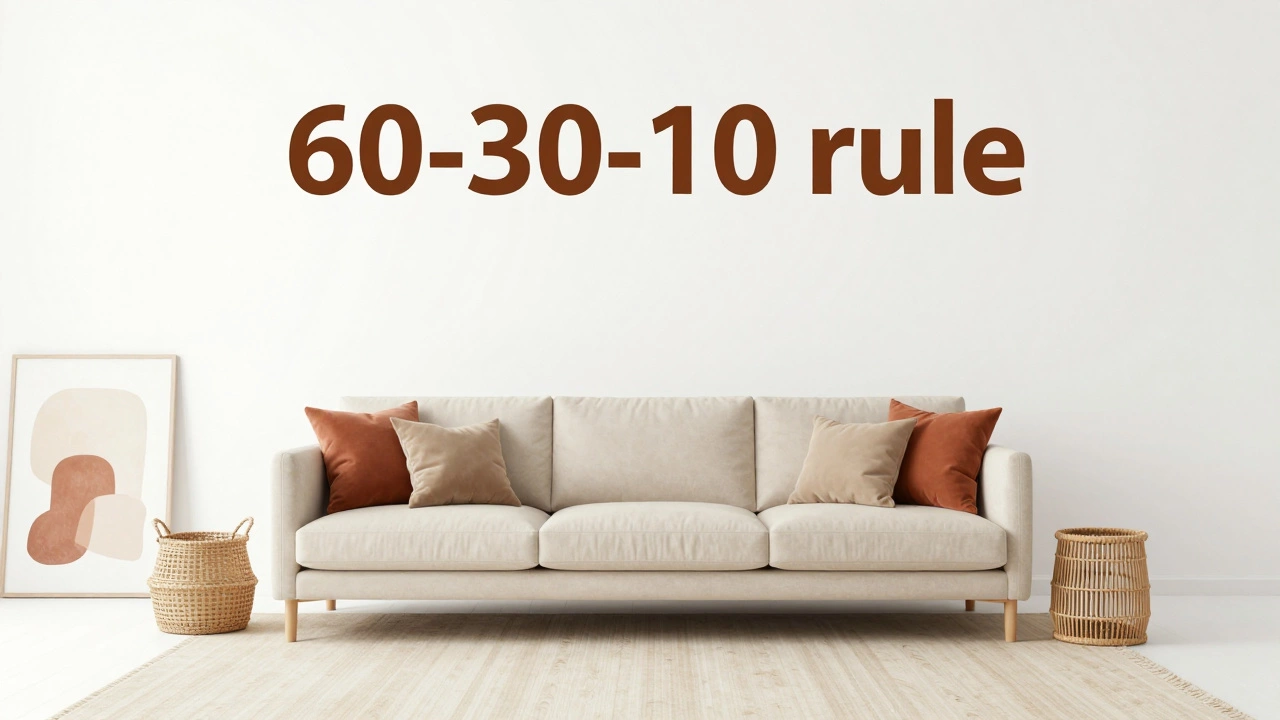
To ensure your sofa fits into a timeless design scheme, use the 60-30-10 rule. This is a classic interior design heuristic that keeps rooms balanced.
- 60% Dominant Color: Usually your walls and large rug. Keep this neutral.
- 30% Secondary Color: This is where your sofa comes in. It should complement the dominant color but add visual interest.
- 10% Accent Color: Throw pillows, art, vases. This is where you play with trends.
If your walls are white (60%) and your sofa is grey (30%), you can swap out your accent pillows (10%) every year. Want a boho vibe? Add terracotta and rattan. Want a modern look? Swap in black and chrome. The sofa stays the same. The room changes. That’s the power of a timeless foundation.
Common Mistakes to Avoid
Even with the best intentions, buyers often slip up. Here are the pitfalls that ruin a potentially timeless purchase.
Ignoring Undertones: Not all whites are the same. Some are creamy, some are bluish. If your sofa has a pink undertone and your walls have a green undertone, they will fight each other. Stick to analogous undertones. Warm woods go with warm beiges. Cool metals go with cool greys.
Going Too Light or Too Dark: Pure white shows every crumb. Jet black absorbs all light and can make a small room feel cave-like. Mid-tones are the sweet spot. They offer contrast without being harsh.
Chasing Micro-Trends: If a designer calls a color "the new beige" and it’s actually a weird mauve, run. Trends are loud. Timelessness is quiet. Trust your eye for balance, not the hype cycle.
Maintaining Your Investment
A timeless sofa requires minimal maintenance, but neglect will age it prematurely. Vacuum weekly to remove grit that wears down fibers. Blot spills immediately; never rub. Rotate cushions monthly to ensure even wear. If you have a leather sofa, condition it twice a year to prevent cracking.
Remember, the goal isn’t perfection. It’s longevity. A sofa with a few soft creases tells a story of comfortable evenings and lazy Sundays. As long as the color hasn’t clashed with your evolving taste, you’ve won.
Is a grey sofa still in style in 2026?
Yes, absolutely. While the peak of "all-grey" interiors has passed, grey remains a foundational neutral. The key is choosing a grey with warmth or character, avoiding flat, industrial shades. Pair it with wood tones and textures to keep it feeling current and inviting.
What is the most versatile sofa color for resale value?
Mid-tone greys and warm beiges are the safest bets for resale. Most buyers prefer neutral furniture because it allows them to visualize their own decor in the space. Bright or patterned sofas can deter buyers who see them as a hassle to replace.
Can I put a colorful sofa in a timeless home?
You can, but it limits your flexibility. If you love a bold color, consider using it in smaller pieces like armchairs or ottomans instead of the main sofa. Alternatively, choose a deep, rich tone like navy or forest green, which borders on neutral and ages gracefully.
How do I know if my sofa fabric is durable enough?
Look for the double-rub count. For heavy daily use, aim for fabrics rated above 30,000 double rubs. Performance fabrics like Crypton or microfiber are excellent choices for families and pets, offering high durability and stain resistance.
Does the size of my room affect the sofa color choice?
Yes. Lighter colors tend to make small rooms feel larger and airier. Darker colors add coziness and definition to large, open spaces. In a small apartment, a light beige or grey sofa will help the space feel less cramped.