Space Solutions for Every Home
When talking about space, the area you have to live, work or store things in. Also called room, it shapes how comfortable and functional a place feels. Alongside home storage, the systems you use to keep belongings organized and interior design, the visual and functional planning of interiors, mastering space lets you enjoy a tidy, inviting environment.
Physical Space: Turn Every Corner Into Useful Area
Most rooms waste vertical height. Installing shelves that reach the ceiling adds storage without crowding the floor. Corner racks, tall cabinets, and hanging racks are cheap tricks that turn dead zones into usable zones. When you place a tall bookshelf next to a window, you not only store books but also create a visual anchor that draws the eye upward, making the room feel larger. Pairing these ideas with light‑colored walls amplifies the effect, because light reflects off surfaces and expands the perceived volume.
Decluttering is the foundation of any space plan. Start with a quick inventory: walk through each room, list what you own, and group items by use. Keep what you need daily, store seasonal things in labeled bins, and toss or donate the rest. A clear inventory prevents hidden clutter from creeping back, because you’ll know exactly where each item belongs. Once the chaos is gone, you can assign dedicated spots—this habit reduces daily search time and keeps the space feeling open.
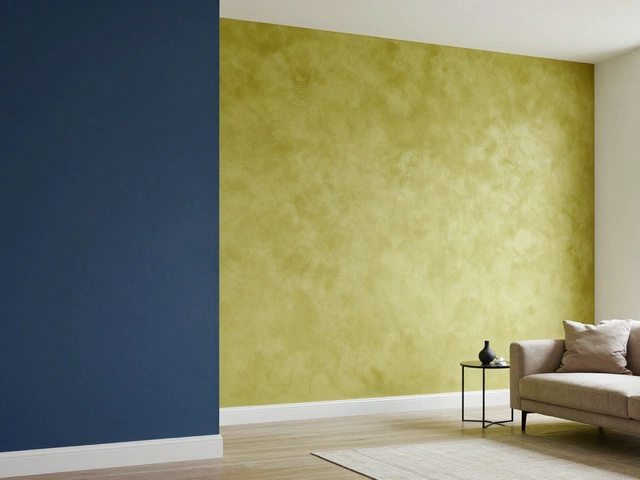
Color plays a silent but powerful role in space perception. Soft, neutral tones like off‑white, pale gray, or warm beige bounce light, making walls recede. If you love a splash of color, use it on a single accent wall or on furniture, not on all surfaces. Mirrors are another cheap tool: a large mirror opposite a window doubles natural light and tricks the eye into seeing more depth. Combining calm colors with strategic mirrors gives a room a breezy, expansive vibe without costly renovations.
Digital storage is the modern cousin of physical space. As you fill closets, you also fill hard drives. Long‑term data storage options—like magnetic tape, cloud archives, or local NAS systems—help keep your digital life organized. Choosing the right mix depends on how often you need access and how much you value durability versus speed. A simple rule: keep frequently used files on a fast SSD, archive older photos to a cloud service, and store critical backups on an offline tape for extra safety.
Furniture that serves multiple purposes squeezes the most out of limited area. A sofa with hidden storage, a fold‑out dining table, or a bed with built‑in drawers each replace a separate piece, freeing up floor space. Look for pieces that match your interior style—modern minimalism favors clean lines, while classic decor can still benefit from built‑in storage behind decorative panels. This approach lets you keep the aesthetic you love while maximizing functionality.
All these ideas—vertical storage, decluttering routines, color tricks, digital archiving, and multi‑function furniture—come together to help you make the most of any space. Below you’ll find a curated list of articles that dive deeper into each technique, from DIY storage hacks to the latest data‑preservation trends. Whether you’re rearranging a tiny bathroom or planning a whole‑house overhaul, the tips ahead give you practical steps to turn cramped corners into comfortable, organized areas.
Best Sofa Colors to Make a Small Room Look Bigger
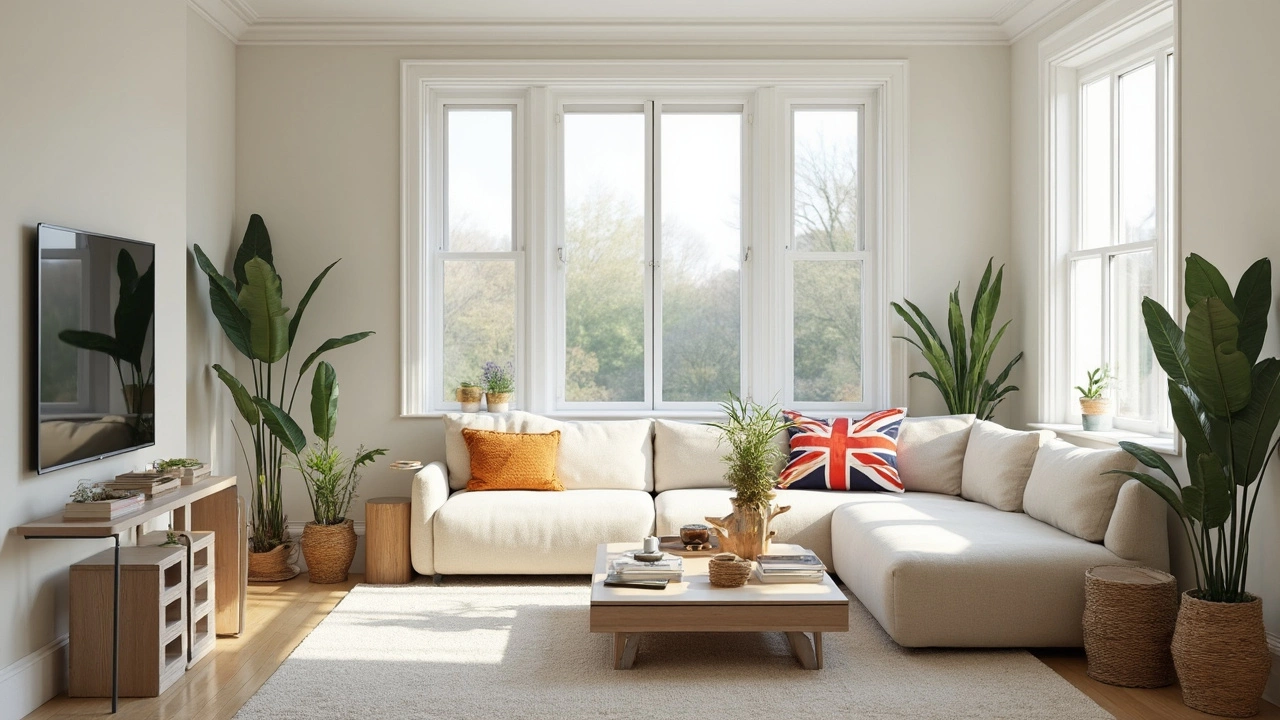
Wondering which sofa color can open up your space? This article dives deep into the art and science of choosing the right sofa shade to visually expand your room. We’ll share practical tips, clever tricks, and some surprising statistics to help you create a room that not only looks bigger but feels brighter. From color psychology to the nitty-gritty of decor, get ready to reimagine your living space. Let’s demystify the world of sofa color—and make your room the star.
full article