Protect Couch in Storage: What Every Homeowner Needs to Know
When working with protect couch in storage, the goal is to keep a sofa safe from damage while it sits out of use. Also known as couch storage protection, it involves steps that stop moisture, pests, and wear from ruining your furniture.
Mold is a common enemy during long‑term storage. It thrives in damp air and can seep into fabric, foam, and wood frames, leaving unsightly stains and a musty smell. Mold, a fungus that grows on organic materials in high humidity spreads fast if you don’t control moisture levels. Keeping protect couch in storage means you must manage humidity, seal the couch, and pick the right storage environment.
Key Factors That Influence Couch Longevity in Storage
First, humidity, the amount of water vapor in the air directly affects both mold growth and wood warping. A typical garage can swing between 30% and 80% relative humidity, which is a red flag for upholstered pieces. Second, the type of protective cover, a breathable, water‑resistant barrier that wraps furniture you choose determines how much air can circulate while keeping droplets out. Third, storage location—whether a climate‑controlled unit or a dry attic—sets the baseline conditions for the couch’s health.
These three elements create a clear semantic chain: protect couch in storage requires humidity control, needs a quality protective cover, and benefits from a climate‑controlled environment. In practice, you’ll combine tools and habits to meet each requirement.
One practical tip is to use a dehumidifier inside a closed storage room. Aim for 45‑55% relative humidity; this range slows mold and keeps wood from swelling. Pair the dehumidifier with a hygrometer so you can track moisture levels daily. If you can’t control the environment, invest in a silica gel pack or moisture‑absorbing crystals placed around the couch—these little packets pull excess water from the air.
Next, choose the right cover. A cotton canvas slipcover works for short stays but traps heat, which can encourage mold. Instead, look for a breathable, water‑repellent cover made from polypropylene or a specialty storage‑grade fabric. Wrap the couch snugly, then seal the edges with stretch film or a zip‑pered bag to prevent dust from sneaking in.
Don’t forget to clean the couch before packaging. Vacuum the upholstery, spot‑clean any stains, and allow the cushions to dry completely. For leather sofas, apply a conditioner to keep the hide supple; for fabric, a light mist of fabric protectant can add a barrier against spills.
Storage location matters, too. A climate‑controlled self‑storage unit maintains stable temperature and humidity, essentially eliminating the biggest risk factors. If you store the couch at home, pick a dry, indoor space away from exterior walls that can get damp. Elevate the couch off the floor using wooden pallets; this improves airflow underneath and prevents moisture from seeping up from the ground.
Regular checks are part of a solid plan. Every month, open the cover, inspect for signs of mildew or odors, and rotate the couch slightly to avoid pressure points. A quick breath test can reveal hidden mold before it spreads.
By following these steps—controlling humidity, using a breathable protective cover, choosing the right storage spot, and performing routine inspections—you create a reliable system for protect couch in storage. The result is a sofa that looks and feels as fresh as the day you bought it, even after years of being out of use.
Below you’ll find a curated collection of articles that dive deeper into each of these topics, from detailed mold‑prevention guides to the best climate‑controlled storage facilities and DIY cover‑making tutorials. Explore the posts to get actionable checklists, product recommendations, and expert advice that will keep your couch safe wherever you store it.
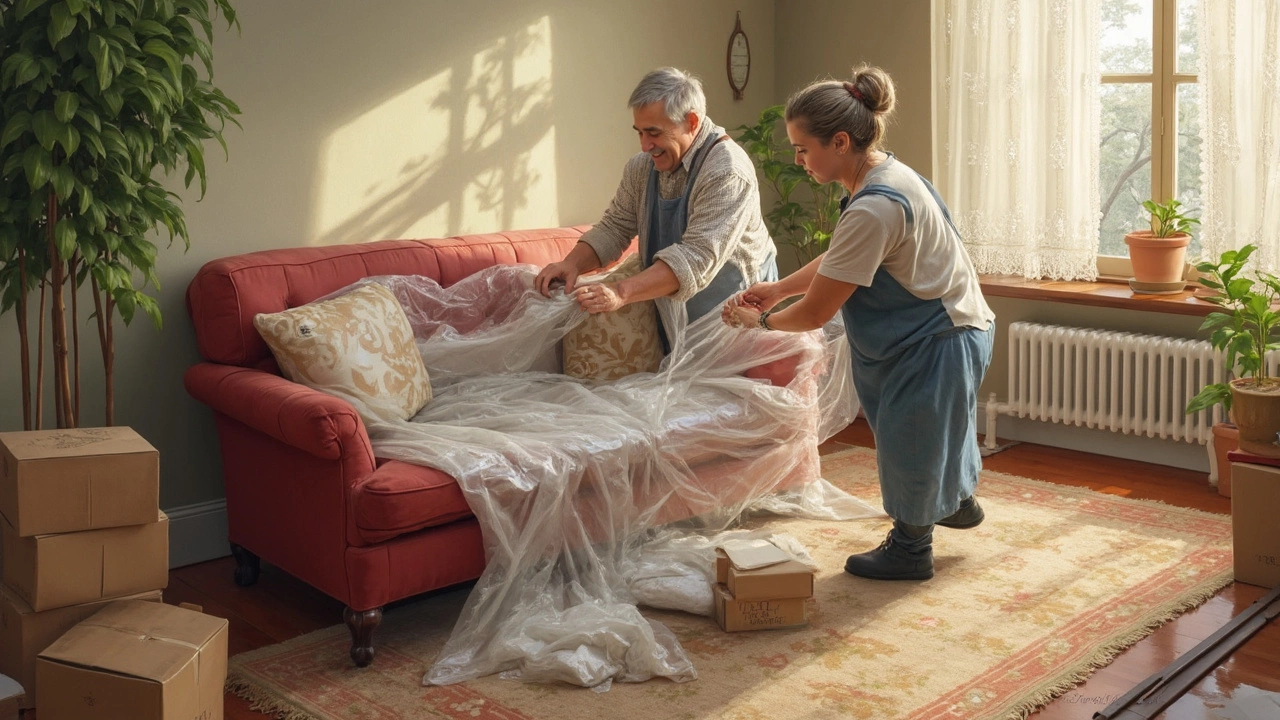
Best Way to Wrap a Couch for Storage: Tips and Mistakes to Avoid
Wondering if you should wrap a couch for storage? This guide covers how to protect your couch, what materials to use, and common mistakes to avoid.
full article