Perfect Lighting: The Ultimate Guide to Brightening Your Home
When working with perfect lighting, the practice of selecting light sources that suit a room’s purpose, style, and comfort level. Also known as optimal illumination, it shapes how colors appear, how cozy a space feels, and even how much you pay for electricity.
One key sub‑category is natural light lighting, lighting that imitates the sun’s full spectrum to keep colors true. To achieve that, many homeowners turn to daylight bulbs, LED or fluorescent lamps rated around 5000‑6500 K that reproduce daylight. These two entities work together: natural light lighting requires a high CRI, and daylight bulbs enable accurate color rendering.
Key Factors to Consider
The first factor is CRI – the Color Rendering Index. A CRI of 90 or above means the light will show whites, fabrics, and wall paints almost exactly as they look in sunlight. The second factor is color temperature, measured in Kelvin. Warm light (2700‑3000 K) adds a cozy vibe, while cool light (5000‑6500 K) feels energizing and is ideal for kitchens or workspaces. Perfect lighting therefore encompasses the right balance of CRI and Kelvin.
Third, the type of fixture matters. Recessed downlights, track lights, and pendant lamps each direct light differently. For example, a bathroom remodel benefits from a bright, even spread that reduces shadows near the mirror – a lesson pulled from the “Timeless Bathroom Color Ideas” post, where light‑reflective walls amplify daylight bulbs. Meanwhile, living rooms that want a luxe look can layer warm ambient fixtures with accent lights that highlight artwork or textured wallpaper, echoing the “2024 Wallpaper Trends” discussion.
Fourth, surrounding surfaces influence perceived illumination. Light‑colored curtains and paint reflect more light, letting lower‑wattage bulbs achieve the same brightness as higher‑wattage ones. The “2024 Curtain Color Trends” article shows that neutral tones pair well with daylight bulbs, boosting the room’s natural feel without extra energy use. In contrast, dark fabrics absorb light, so you’ll need brighter fixtures to avoid a gloomy atmosphere.
Fifth, spacing and placement dictate how evenly light spreads. A rule of thumb is to place fixtures about 1.5 feet above eye level for task lighting, while ambient lighting should be spread evenly across the ceiling to avoid hotspots. This ties back to the “Home Storage Management Tips” post, which recommends using lighting to highlight built‑in shelves, making storage both functional and visually appealing.
Sixth, consider smart controls. Dimmable LEDs paired with motion sensors let you tweak brightness on the fly, saving energy and adapting to different activities – from reading on a sofa (see the “How to Make Your Sofa Look Luxurious” guide) to cooking dinner. Smart bulbs also let you adjust Kelvin, shifting from warm to cool tones with a tap, perfect for rooms that serve multiple purposes.
Seventh, the purpose of each room defines the lighting mix. A home office benefits from cool, high‑CRI daylight bulbs that keep you alert and show true colors on screens. A bedroom, however, thrives on warm, low‑glare lighting that promotes relaxation. The “Best Lights That Mimic Natural Sunlight – 2025 Guide” explains how selecting the right panel lights can simulate sunrise, helping regulate sleep cycles.
Eighth, maintenance matters. Dust and grime reduce light output, especially on fixtures high on the ceiling. Regular cleaning keeps the CRI and brightness at design levels, aligning with the “Furniture Mold in Storage” advice to keep surfaces dry and clean for longevity.
Finally, budget considerations. You don’t need a full‑luxury system to get perfect lighting. Start with a few high‑CRI daylight bulbs in key zones, add inexpensive diffusers or lampshades to soften harsh light, and upgrade fixtures as the budget allows. This phased approach mirrors the “How to Make Your Living Room Look Expensive on a Budget” strategy, delivering high‑impact results without overspending.
By understanding how natural light lighting, daylight bulbs, CRI, and color temperature interact, you can craft an illumination plan that feels right in every corner of your home. Below you’ll find a curated set of articles that dive deeper into each of these topics, from bathroom paint tricks to curtain color advice, giving you practical steps to turn theory into real‑world light.
Perfect Home Lighting: How to Achieve It
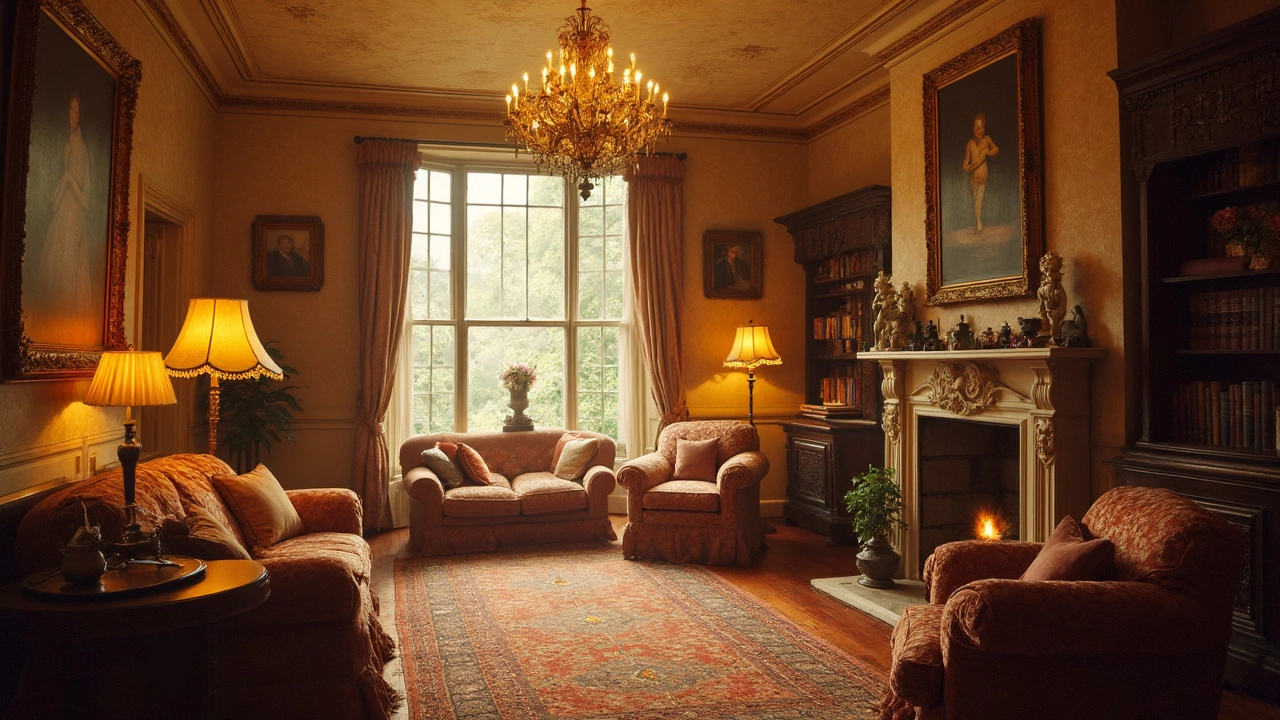
Achieving perfect home lighting can transform your living space, enhancing both functionality and mood. It involves understanding the types of lighting, strategically placing fixtures, and choosing the right bulbs. By considering both natural light and artificial options, you can create an inviting atmosphere in every room. This guide offers practical tips and insights to help you illuminate your home like a pro.
full article