Paint Guides, Tips & Color Ideas
When working with paint, a liquid coating applied to surfaces to protect and beautify them. Also known as coating, it adds color, durability, and style to walls, furniture, and other structures. Choosing the right paint is more than picking a hue; it shapes how a room feels, how long a surface lasts, and how easy upkeep will be.
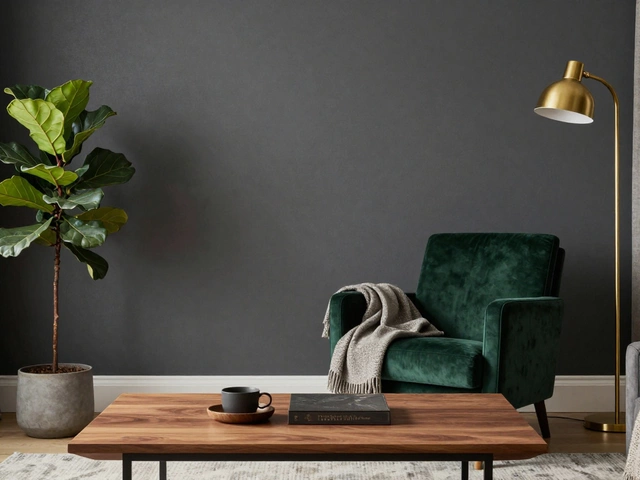
One of the biggest decisions is the paint color, the visual tone that defines a space. A light, reflective shade can make a cramped bathroom feel larger, while a deep, warm tone adds coziness to a living area. Paint also interacts with interior design, the overall aesthetic plan of a home. Designers often start with paint to set the mood before bringing in furniture, lighting, and accessories.
Why paint matters for every home project
Paint guides encompass three core areas: color selection, surface preparation, and application technique. Color selection is a blend of personal taste and science – your eye can sense how light quality and room size affect a hue. Surface preparation involves cleaning, sanding, and priming, which are crucial for adhesion and longevity. Application technique covers tools, number of coats, and drying times, ensuring a smooth, even finish.
When you’re tackling a bathroom remodel, a renovation focused on improving water‑exposed spaces, the right paint can prevent mold growth and keep the area bright. Moisture‑resistant enamel or semi‑gloss finishes are popular because they shed water and are easy to wipe clean. Pairing these with a light, reflective shade tricks the eye into seeing more space, a trick many homeowners love.
Beyond bathrooms, paint choices also drive home renovation, any project that updates or repairs a dwelling outcomes. A fresh coat on a dated kitchen cabinet can revive the whole room without the cost of a full replacement. In living rooms, a bold accent wall can become a focal point, turning a plain space into a conversation starter.
Current trends show that neutral palettes remain popular for their versatility, but designers are also embracing fresh alternatives to gray – think soft greens or muted blues that add personality without overwhelming. These shades work well with modern furniture and can be layered with textured wallpaper for added depth. Speaking of wallpaper, it often complements paint by providing pattern where color alone might feel flat.
Everything ties back to the idea that paint is a foundational element in any makeover. It enables you to set the tone, protect surfaces, and increase property value. Whether you’re a DIY enthusiast looking for step‑by‑step guidance or a homeowner seeking professional advice, the articles below cover everything from choosing the perfect bathroom shade to mastering the latest color trends for 2024.
Ready to dive deeper? Below you’ll find a curated selection of posts that walk you through practical tips, trend insights, and step‑by‑step tutorials, so you can start planning your next paint project with confidence.
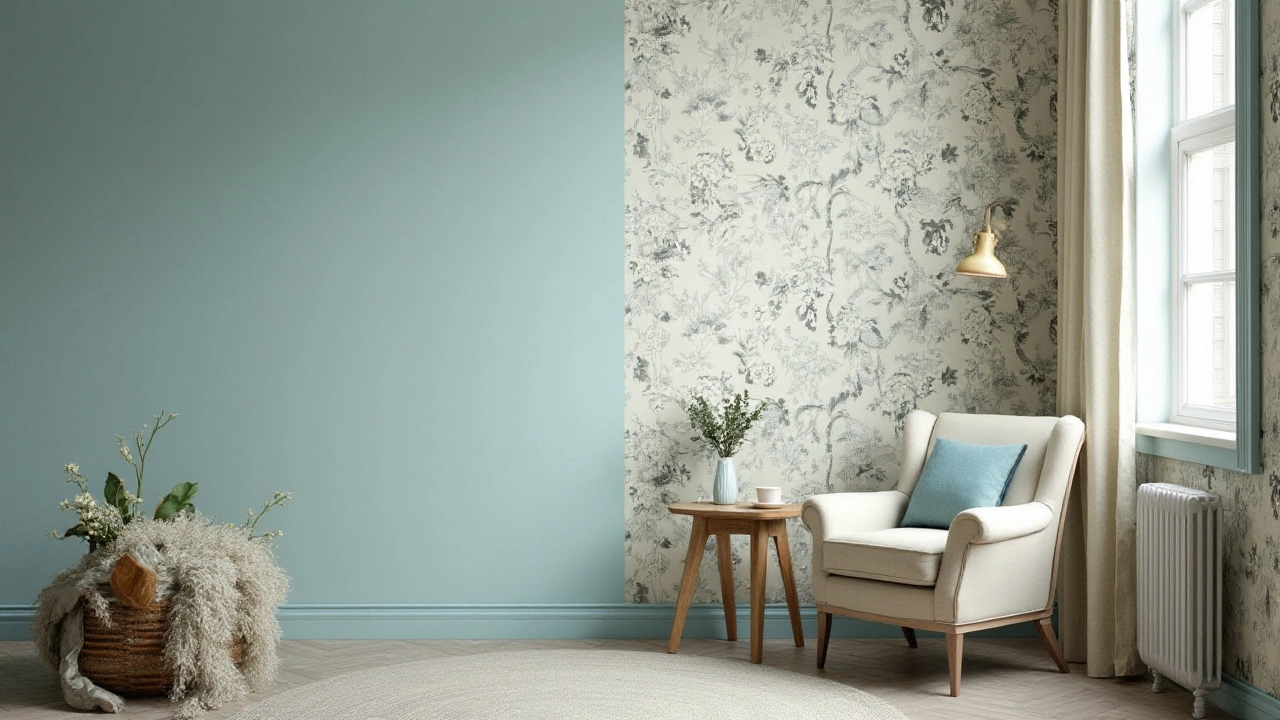
Wallpaper vs. Paint: Finding the Affordable Choice
Decorating a home involves a choice between wallpaper and paint, each offering distinct aesthetics and costs. While paint provides simplicity and versatility, wallpaper offers unique patterns and textures. This article explores the cost differences, installation, and long-term value to help homeowners make an informed decision on which is the more affordable and suitable choice for their space.
full article