Multi Panel Art Ideas, Tips & Inspiration for Home Décor
When working with multi panel art, a decorative approach that splits a single image across two or more adjoining panels. Also known as panel painting, it offers flexibility for arranging, scaling, and customizing visual impact in a room. Closely linked to wall art, the broader category of artworks designed to adorn vertical surfaces and often integrates with interior design, the practice of shaping interior spaces to reflect style and function. Many homeowners treat it as a DIY art project, a hands‑on way to personalize living areas without hiring a professional.
Why choose multi panel art over a single‑frame piece? First, the modular nature lets you fit art into awkward spaces – a narrow hallway can host a tall vertical set, while a wide living room can showcase a sprawling landscape split into three parts. Second, the visual rhythm created by gaps between panels adds depth, making the wall feel layered rather than flat. Finally, if you ever want to refresh the look, swapping one panel for another is far easier than replacing an entire canvas.
Key Benefits for Your Interior Design
Multi panel art enhances interior design by providing a focal point that ties together color schemes, furniture choices, and lighting. For example, a series of pastel‑hued panels complements a neutral sofa while echoing the subtle tones of a rug. The artwork also influences the perception of space: light‑colored panels visual‑ly expand a room, whereas darker tones create a cozy, intimate atmosphere. When paired with strategic lighting – such as directional spotlights or dimmable LEDs – each panel can cast its own shadow, adding a three‑dimensional effect that energizes the whole space.
DIY enthusiasts often ask how to start a multi panel project on a budget. The answer lies in repurposing materials: use stretched canvas bought in bulk, paint simple abstract designs, and employ painter’s tape to create clean divisions. Once finished, framing each panel with thin, uniform moulding preserves the sleek look without breaking the bank. Sealing the edges with a clear acrylic spray protects the paint from moisture, ensuring longevity even in high‑traffic areas.
Another practical angle is the installation process. Unlike heavy, single‑piece artwork that may require professional hanging, multi panel sets can be mounted using standard picture hooks. Measure the total width first, then mark spacing for each panel to keep gaps consistent – a ruler or laser level does the trick. If you rent your home, this method also makes removal clean and simple, leaving just a few small holes.
From a stylistic perspective, multi panel art works across design trends. In minimalist homes, a monochrome set of three panels adds subtle interest without overwhelming the space. In eclectic interiors, a bold, color‑blocked composition can serve as a conversation starter, pulling together mismatched furniture pieces. Even traditional settings benefit; a classic landscape divided into four panels can echo historic gilt frames while offering a fresh presentation.
The collection of articles below mirrors these ideas. You’ll find step‑by‑step guides on DIY makeovers, storage hacks to keep your art safe, color trend insights for 2024, and practical advice on marrying panels with furniture like sideboards or sofas. Whether you’re a seasoned decorator or just starting to experiment, the posts provide actionable tips that turn a simple concept into a polished, personalized statement.
Ready to explore specific techniques, trends, and real‑world examples? Dive into the curated resources below and discover how multi panel art can transform your home, one panel at a time.
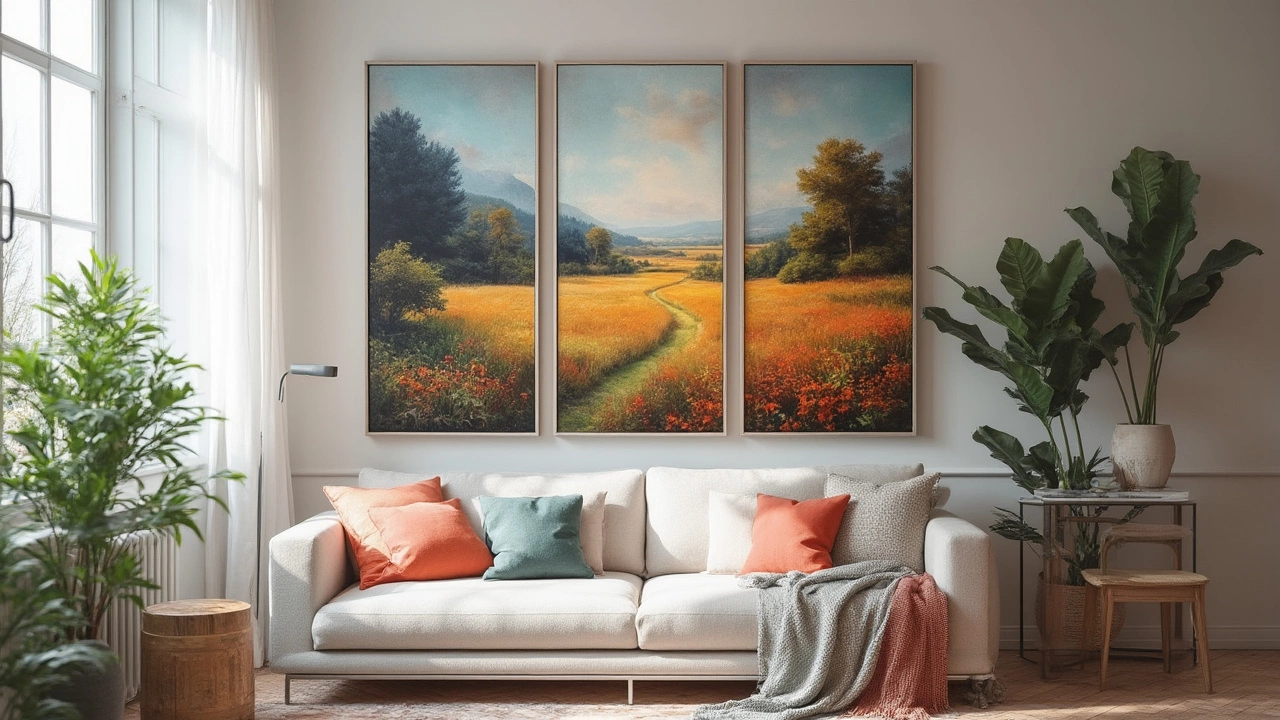
Polyptych Art: Exploring Multi-Panel Paintings for Modern Home Decor
Get to know what a polyptych is, why multi-panel art stands out in home decor, and how to use these distinctive pieces to transform your living space.
full article