Home Flaws – Identify and Fix Common House Problems
When dealing with home flaws, any defects or weaknesses in a building’s structure, systems, or finishes. Also known as house defects, they can lower comfort, safety, and value. Understanding how they connect to related issues helps you prioritize repairs before they snowball.
One major foundation settlement, the gradual sinking or shifting of a house’s base (sometimes called soil movement) often triggers cracks, uneven floors, and door sticking. It usually shows up after years of wear, especially in older builds. The other side of the coin is roof replacement, installing a new roof system when the existing one is damaged or outdated. A compromised roof can let water in, which accelerates wood rot and encourages mold growth in attic spaces. Both settlement and roof work demand a professional inspection to gauge severity, cost, and timing.
Why Mold Prevention Matters in Every Home Flaw
Another common flaw is moisture‑related mold, fungus that thrives in damp environments and can damage furniture, walls, and health. Mold often appears in basements, closets, or storage units where humidity isn’t controlled. The link between roof leaks, poor ventilation, and mold is clear: water intrusion creates the perfect breeding ground. Simple steps like using dehumidifiers, ensuring proper drainage, and sealing cracks can stop mold before it spreads. Ignoring these steps turns a small flaw into a costly health hazard.
Beyond these core issues, home flaws also cover outdated finishes such as textured wallpaper, which can trap moisture and hide cracks, and inefficient lighting that masks problem areas. By spotting these signs early—like uneven paint, drafts, or squeaky floors—you can plan targeted fixes rather than tackling the entire house at once. The posts below dive deep into each of these topics, from the cost breakdown of a $30,000 roof to DIY tricks for modernizing old tables, giving you a roadmap to a healthier, more valuable home.
Most Common Building Defects in New Builds
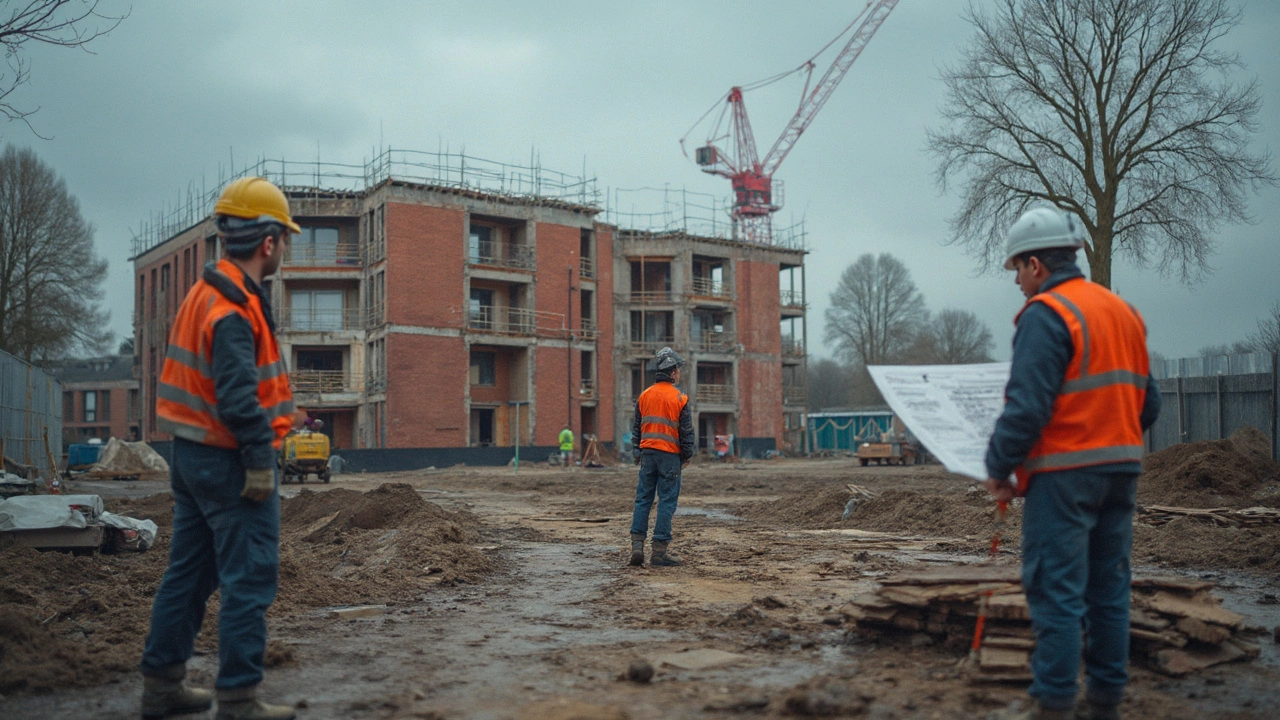
Exploring the most common defects found in new building constructions, this article provides insightful tips on identifying and addressing these issues. From foundational cracks to plumbing problems, learn the key areas that need attention. Understand why building defects occur and how you can prevent them in future projects. Practical advice empowers homeowners and buyers to handle defects effectively. Gain the knowledge you need to ensure your new build stands the test of time.
full article