Grass Placement: How to Get a Perfect Lawn Every Time
When working with Grass Placement, the process of installing and arranging turf in outdoor areas. Also known as lawn laying, it sets the stage for a healthy, usable yard. Proper grass placement hinges on Soil Preparation, testing, amending, and grading the ground to support root growth and on choosing the right Grass Type, such as cool‑season fescues or warm‑season bermudagrass. These steps also affect how Landscaping, the broader design of planting, hardscapes, and irrigation, integrates with the lawn will look and function. Mastering grass placement saves time and money while delivering a yard you can actually enjoy.
Key Factors That Influence a Successful Lawn
First, the ground must drain well; without proper drainage water pools can drown young shoots, so a gentle slope away from structures is essential. Second, the seed or sod layer needs firm contact with the soil—light rolling or tamping helps prevent air pockets. Third, timing matters: planting in the season that matches the grass’s growth cycle reduces stress and boosts establishment speed. Fourth, irrigation design is critical; a drip or low‑pressure sprinkler system that delivers about 1 inch of water per week keeps the root zone moist without waste. Fifth, fertilization schedules based on soil test results give the lawn the nutrients it needs at each growth stage. Sixth, choosing between seeding and sodding depends on budget and urgency: sod offers instant cover but costs more, while seed is cheaper but takes longer to fill in. Finally, if you plan to place Garden Furniture, benches, tables, or loungers, on the grass, you’ll need to protect the turf with mats or stepping stones to prevent compaction and wear.
Maintenance continues the story of good grass placement. Regular mowing at the right height—usually 2.5 to 3 inches for most cool‑season grasses—encourages dense growth and reduces weeds. Aeration once a year breaks up compacted soil, improving root access to water and nutrients. Overseeding thin spots after aeration restores uniform coverage. Seasonal weed control, whether manual or selective herbicide, keeps the lawn tidy without harming the turf. In the fall, a light top‑dressing of compost adds organic matter, helping the lawn recover from summer stress. For environmentally‑mindful homeowners, using native grass varieties reduces water use and chemical reliance. Investing in a rain sensor for your irrigation controller can further cut waste while keeping the lawn healthy. All of these practices link back to the initial grass placement decisions, showing how a solid start simplifies long‑term care.
Whether you’re a DIY homeowner, a professional landscaper, or just curious about how a fresh lawn fits into a bigger outdoor project, the articles below cover everything from choosing the right turf to maintaining it through the seasons. Expect practical tips, cost‑saving ideas, and step‑by‑step guides that will help you plan, install, and enjoy your grass placement with confidence. Dive into the collection to unlock the full picture of lawn success.
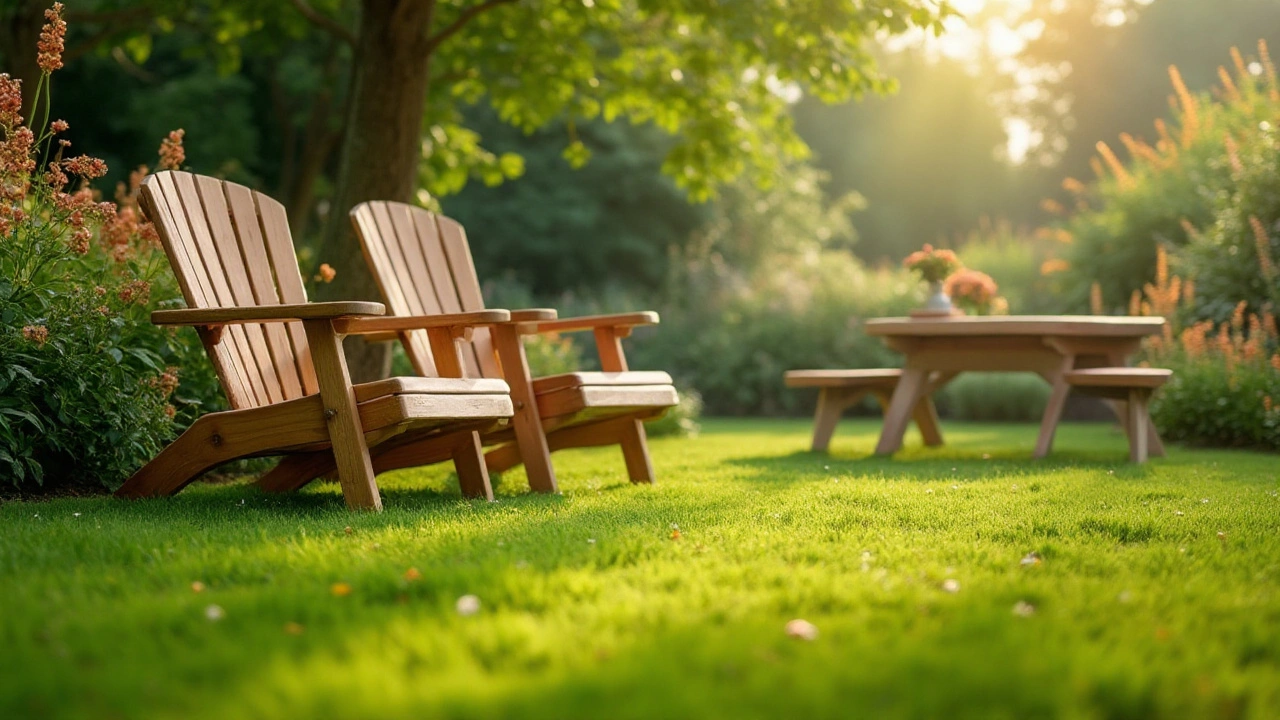
Can Outdoor Furniture Be Placed Directly On Grass? Tips & Considerations
Placing outdoor furniture directly on grass can affect both the aesthetics of your garden and the health of your lawn. Understanding the pros and cons can help you make informed decisions about positioning your furniture to maintain a lush, green space while maximizing your garden's functionality. This article examines considerations such as soil compaction, moisture retention, and furniture material, offering tips to minimize potential negative effects.
full article