Furniture Protection: Keep Your Pieces Safe and Fresh
When it comes to Furniture Protection, the practice of shielding furniture from moisture, pests, and everyday wear. Also known as furniture care, it helps your home look polished while saving money on replacements. Mold Prevention, methods that stop fungal growth on wood, upholstery, and metal parts is a core part of this effort, especially when items are stored for months. Storage Solutions, smart ways to pack, position, and ventilate furniture during any pause in use play a big role, because a cramped, damp space invites trouble. Finally, Furniture Maintenance, regular cleaning, polishing, and minor repairs ties everything together, turning protection into a habit rather than a one‑off task.
Why Protection Matters and How It Connects to Everyday Living
Furniture protection encompasses mold prevention, storage solutions, and routine maintenance, creating a three‑layer shield that works in most homes. If you ignore any layer, the other two can’t fully compensate. For example, a well‑ventilated storage unit (storage solutions) reduces humidity, but without mold‑preventing sprays or desiccants, spores can still settle on fabrics. Likewise, regular dusting (furniture maintenance) removes food particles that attract insects, which in turn lowers the chance of moisture‑related rot. This interconnected approach means each action supports the others, building a resilient defense.
One common mistake is treating furniture as a set‑and‑forget item. A sofa left in a garage for a summer can absorb condensation, leading to mildew within weeks. By applying a simple anti‑mildew coating (mold prevention) before moving it, and placing it on pallets to allow air flow (storage solutions), you cut the risk dramatically. The same principle works for wooden tables: a light oil finish (furniture maintenance) seals pores, while a breathable cover (storage solutions) prevents dust build‑up, and a humidity monitor (mold prevention) alerts you before damage starts.
Another practical tip is to match protection methods to the type of furniture and its location. Upholstered pieces benefit from fabric‑friendly protectors and regular vacuuming, while metal frames need rust‑inhibiting sprays and dry cloth wiping. Outdoor garden sets deserve weather‑proof sealants and covers that let rain run off, because exposure to sun and rain accelerates wear. Understanding these nuances lets you apply the right combination of mold prevention, storage, and maintenance, rather than a one‑size‑fits‑all solution.
Now that you know how the three pillars interact, you’ll see why the articles below dive deep into each area. From DIY anti‑mold sprays to space‑saving storage hacks and step‑by‑step care routines, the collection gives you actionable ideas you can start using today. Keep reading to discover the specific tools, products, and habits that will keep your furniture looking like new for years to come.
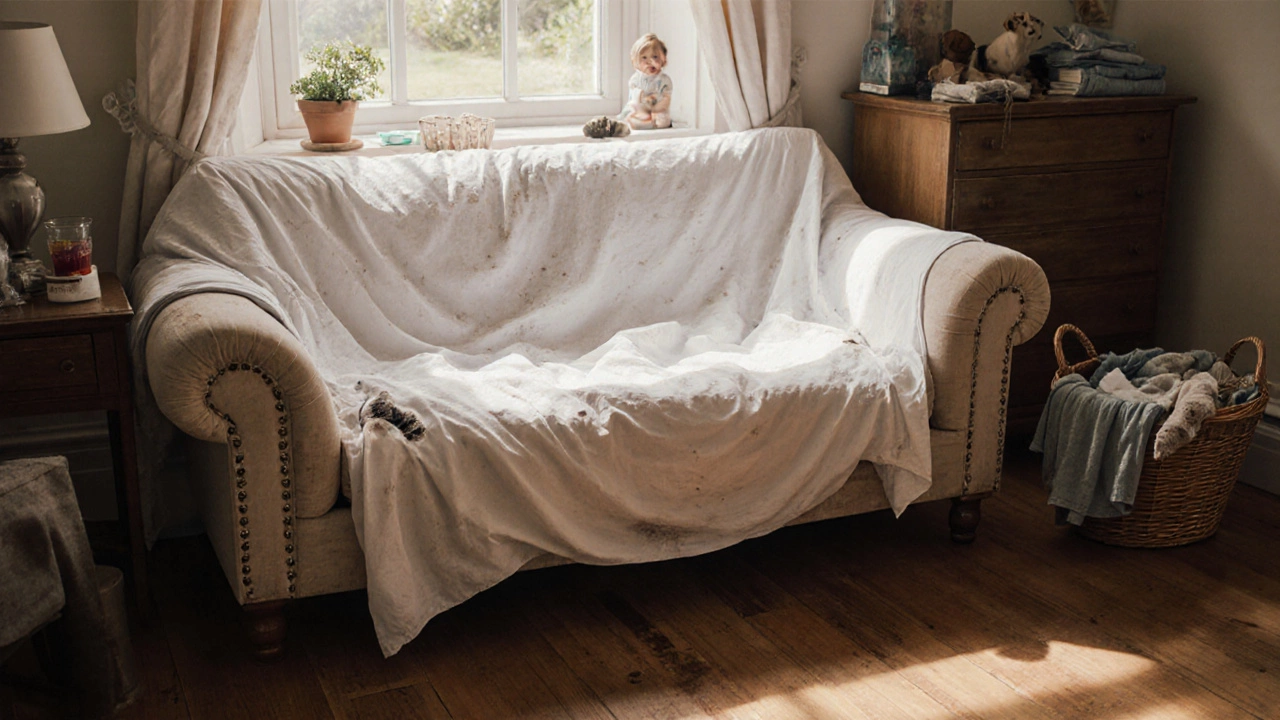
Why Do People Put Sheets Over Couches? Practical Reasons Behind the Trend
People put sheets over couches to protect furniture from pets, spills, and sun damage. It’s a low-cost, practical way to extend the life of your sofa without buying a new one.
full article
Is Storing Furniture in a Container Safe? Storage Tips & Risks Explained
Get the real story on storing furniture in containers. Discover the risks, learn safety tips, and see what pros say about protecting your furniture in storage.
full article
Why White Sheets Over Furniture Aren't Just for Ghosts
Ever wondered why people cover furniture with white sheets? It's not just for dramatic effect. Covering furniture helps protect it from dust, sunlight, and other potential damage. Learn how this simple practice can extend the life of your furniture and keep it looking fresh, with practical tips to do it right.
full article