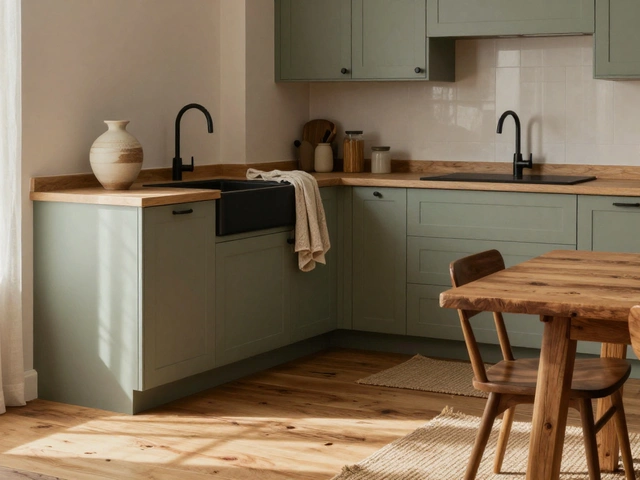
Furniture Preservation: Keep Your Pieces Looking Fresh
When working with Furniture Preservation, the practice of protecting and maintaining furniture to retain its appearance and structural integrity. Also known as furniture care, it helps homeowners extend the life of cherished pieces and avoid costly replacements.
One of the biggest threats to any wooden table or upholstered sofa is moisture‑driven decay. That’s where Mold Prevention, steps taken to stop mold growth by controlling humidity and airflow comes in. Furniture preservation includes mold prevention because damp environments can warp wood, stain fabrics, and weaken joints. Using dehumidifiers, opening windows after showers, and wiping spills immediately create a dry zone that keeps mold at bay.
Even if you keep the air dry, the way you store items matters. Storage Solutions, methods and accessories designed to protect furniture while it’s not in use play a crucial role. Stackable crates, breathable covers, and climate‑controlled garages support furniture preservation by shielding pieces from dust, sunlight, and temperature swings. When you place a sideboard on a pallet instead of the cold concrete floor, you reduce the risk of moisture seeping into the wood.
Tiny pests often go unnoticed until they’ve done real damage. Furniture Mites, microscopic organisms that feed on skin flakes and organic debris in upholstery thrive in warm, humid spots. Controlling furniture mites prevents damage because they can break down fabric fibers and cause allergic reactions. Regular vacuuming, sunlight exposure, and occasional professional cleaning keep these critters in check, preserving both comfort and appearance.
Sometimes the best way to preserve a beloved piece is to give it a new life. Upcycling Furniture, the process of redesigning or repurposing an existing item for a fresh look or function extends its lifespan, making it a core part of furniture preservation. Re‑painting an old dresser, swapping out outdated hardware, or turning a vintage table into a coffee table not only saves money but also keeps the original craftsmanship alive.
Beyond these major factors, regular maintenance routines seal the deal. Light polishing of wood, gentle cleaning of leather, and checking for loose screws keep wear from turning into failure. Using the right cleaners—pH‑balanced for wood, mild soap for fabric—ensures you don’t strip finishes while you’re trying to protect them.
Putting all these pieces together forms a solid preservation strategy: mold prevention stops decay, smart storage shields against external forces, mite control guards upholstery, and upcycling transforms wear into style. Each element influences the others, creating a network of protection that keeps your furniture looking its best for years.
Now that you have a clear picture of what furniture preservation entails, dive into the articles below. You’ll find detailed guides on topics like modernizing old tables, tackling storage challenges, spotting and eliminating furniture mites, and choosing the right finishes to keep your pieces looking fresh.
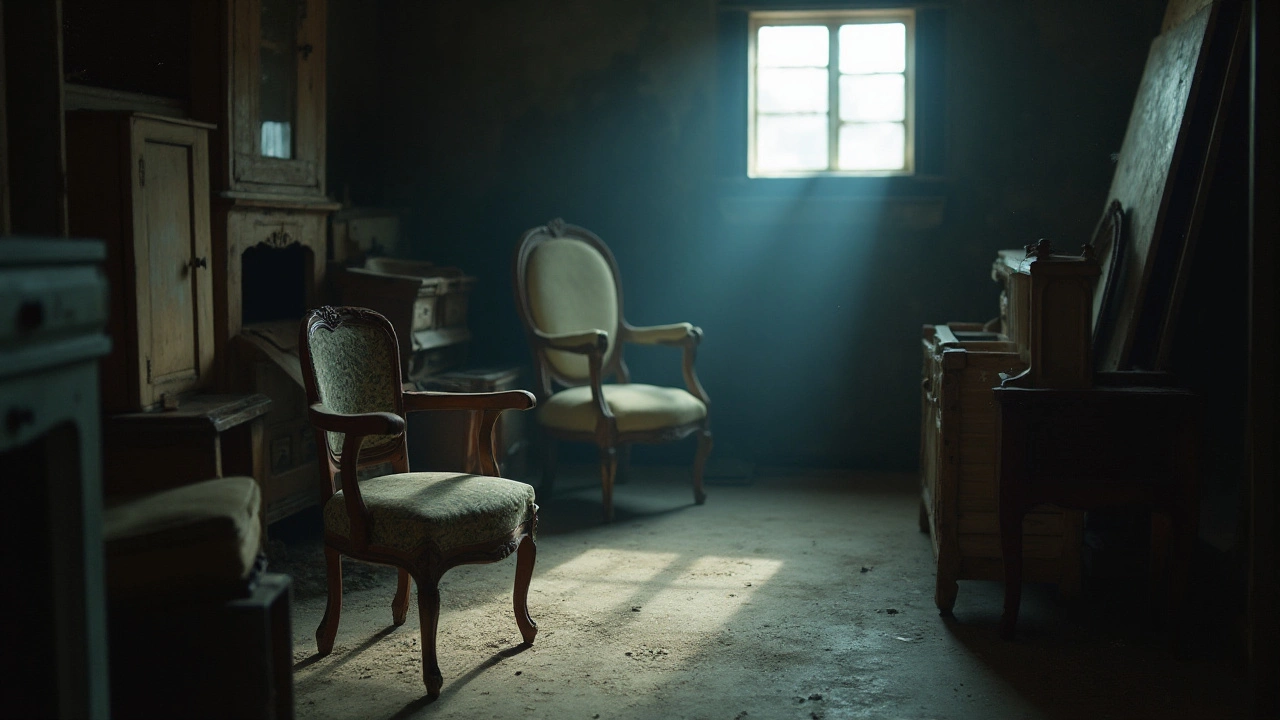
How Long Can Furniture Last in Storage?
Did you know that your furniture can deteriorate while in storage? It's important to know how materials react over time and what conditions can accelerate wear. This article explores how furniture behaves in storage, warning signs to look out for, and strategies to extend the life of your beloved pieces. Protecting your furniture from potential damages requires proper preparation and understanding. Discover essential tips for maintaining your furniture's integrity, whether for short-term storage or long-term safeguarding.
full article