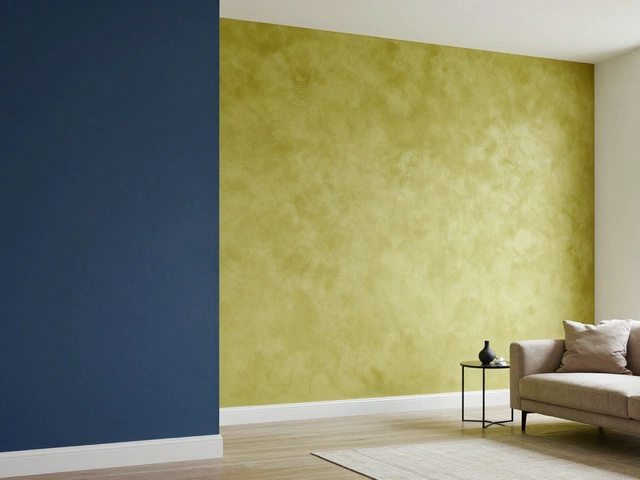
Furniture Arrangement: Practical Tips for Every Home
When working with furniture arrangement, the process of positioning and organizing pieces of furniture to improve flow, function, and aesthetics in a space. Also known as furniture layout, it helps homeowners make rooms feel larger and more purposeful. A solid layout isn’t just about looks; it directly impacts how you move around, store items, and enjoy daily activities. That’s why furniture arrangement is the first step before any renovation or décor update.
Key Elements That Shape a Good Layout
Effective home storage management, organizing belongings in a way that maximizes space and reduces clutter. Also called space optimization, it works hand‑in‑hand with furniture arrangement because a well‑planned layout creates natural storage zones. Another player is the sideboard, a versatile storage piece that can double as a display surface or a buffet. When placed correctly, a sideboard anchors a room, defines traffic flow, and adds hidden storage—perfect for living rooms or dining areas.
DIY furniture makeover projects, like updating an old table or re‑upholstering a chair, feed directly into arrangement decisions. If you turn a dated piece into a sleek, modern one, you suddenly have new visual weight and functionality to consider. The same goes for living room design, the overall style and functional plan for the main gathering space. A fresh sofa layout can free up a wall for a sideboard or open a path for a coffee table. In short, each entity influences the others: arrangement dictates storage needs, storage guides sideboard placement, and sideboards shape living‑room design.
One common mistake is treating furniture as static. Good arrangement embraces flexibility: movable shelves, modular sofas, and lightweight sideboards let you adapt rooms for different occasions. Imagine a family movie night—re‑position the sideboard as a media console, then slide it back to serve dinner. This fluidity reduces the need for extra pieces, keeping costs down and storage simple.
When you start a layout, map the room’s traffic pattern first. Walk the space and note where doors open, where natural light falls, and where you need clear pathways. That map becomes the backbone for placing larger items like sofas, dining tables, and sideboards. Next, layer in storage solutions: closets, built‑ins, and free‑standing units. If you’ve got a cramped hallway, a narrow sideboard can become a console table while still offering drawers for keys and mail. This approach shows the semantic link that furniture arrangement encompasses storage management.
DIY makeovers can transform a piece from an eyesore to a focal point. Take an old wooden table: sanding, staining, and adding new hardware can turn it into a statement sideboard. The new sideboard then reshapes the room’s flow, perhaps creating a visual anchor that you arrange seating around. This cause‑and‑effect chain illustrates how a makeover influences arrangement, which in turn dictates storage and design choices.
Finally, remember that arrangement isn’t a one‑time task. Seasonal changes, new furniture purchases, or lifestyle shifts (like a home office addition) all call for a layout refresh. Keep a few core principles handy: maintain clear pathways, balance visual weight, and ensure storage meets daily needs. By treating furniture arrangement as an evolving system, you’ll keep your home functional, stylish, and ready for whatever comes next.
Below you’ll find a curated collection of articles that dive deeper into each of these topics—whether you need storage hacks, sideboard styling tips, DIY makeover guides, or whole‑room design ideas. Explore the insights and start reshaping your space today.
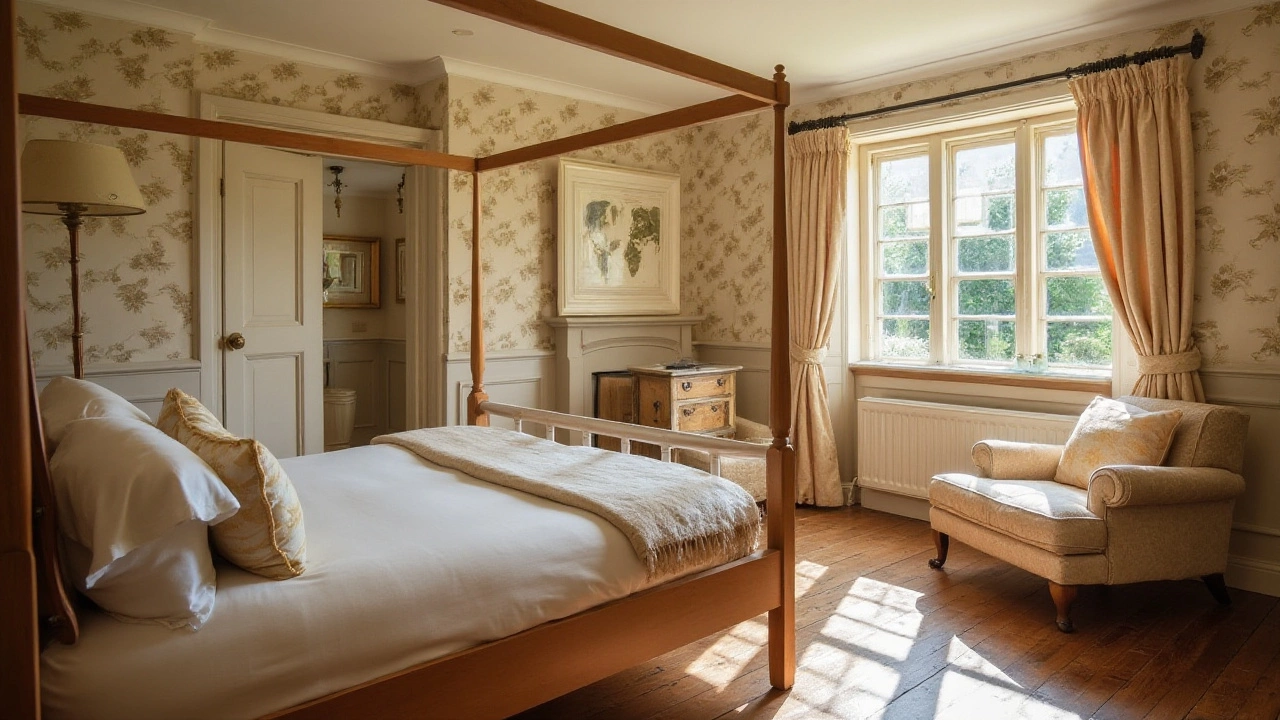
Creative Tips for Arranging Bedroom Furniture Effectively
Arranging bedroom furniture is an art that combines functionality and aesthetics. The key is to maximize space while ensuring comfort and personalization. Consider the room's focal points, natural light, and your personal preferences to achieve a harmonious setting. With practical tips and innovative ideas, you can create a space that not only meets your needs but speaks to your style.
full article