Entertainment Centers: Design, Storage, and Style Guide
When working with entertainment centers, large furniture pieces that combine cabinets, shelves, and media storage for a living room. Also known as media consoles, they act as the centerpiece for movies, games, and music. An entertainment center encompasses storage, display space, and wiring organization, while the sideboard, a low, freestanding cabinet that adds extra storage and visual balance can complement it by extending surface area for décor or additional equipment. The relationship between these pieces is simple: a well‑planned entertainment center often relies on sideboards and other storage solutions to keep cables hidden and rooms clutter‑free.
Key Elements to Consider
Designing an entertainment center requires attention to three core attributes: layout, lighting, and material choice. First, layout determines how devices fit. A typical layout includes a TV mount, open shelves for consoles, and closed cabinets for DVDs or books. Second, lighting influences both viewing comfort and aesthetic appeal. home storage solutions, creative ways to organize items in every room, from vertical shelving to multifunctional furniture often incorporate LED strips or backlit panels that reduce eye strain and highlight design details. Third, material choice—whether solid wood, engineered MDF, or metal frames—affects durability and price. A sturdy finish paired with soft‑close hinges gives a premium feel, while glass doors can make a small space feel larger.
Beyond the core, there are several related factors that shape a successful entertainment hub. Curtain colors, for example, set the mood; a 2024 trend points to deep, neutral shades that reduce glare on screens. Similarly, recliner chairs, comfortable seating options that support long viewing sessions and couch cushions, durable fills that maintain shape under frequent use enhance the overall experience. Even the choice of flooring—hardwood versus carpet—affects acoustics, while proper ventilation keeps electronics cool. All these pieces influence how the entertainment center functions in daily life.
In the collection below you’ll find practical guides on everything from modernizing old tables that can double as sideboards, to storage‑management tips that help you keep cables tidy, and lighting tricks that mimic natural sunlight for a cinema‑like feel. Whether you’re upgrading a cramped apartment or planning a full‑house remodel, the articles ahead give you actionable steps to build a functional, stylish, and comfortable media space.
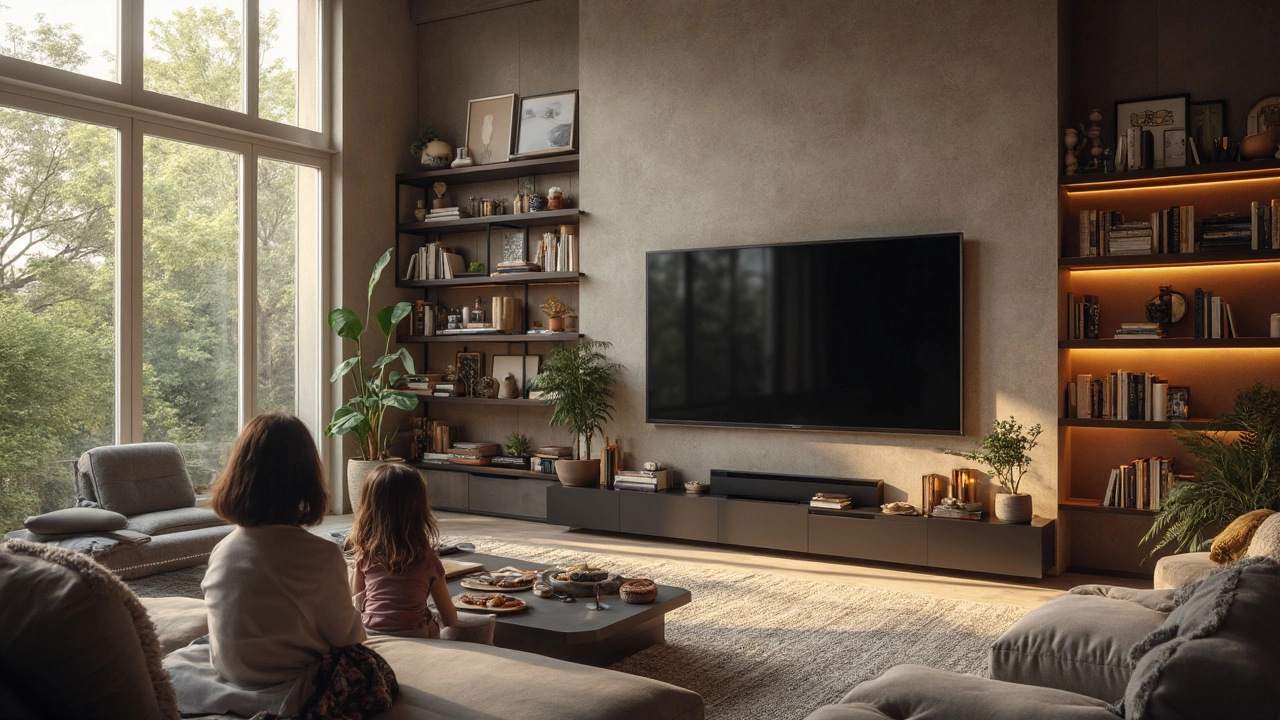
TV Legs Alternatives: Smart Options for Modern Living Rooms
Not a fan of the basic TV legs that come in the box? You’re not alone—millions swap them out every year for something sturdier, safer, or just better looking. This article runs through top alternatives that keep your screen steady while giving your space a major style boost. We’ll hit on wall mounts, full stands, unique furniture setups, and some quick tips for getting the best fit. Get the lowdown before you hit ‘add to cart’ for your next TV upgrade.
full article