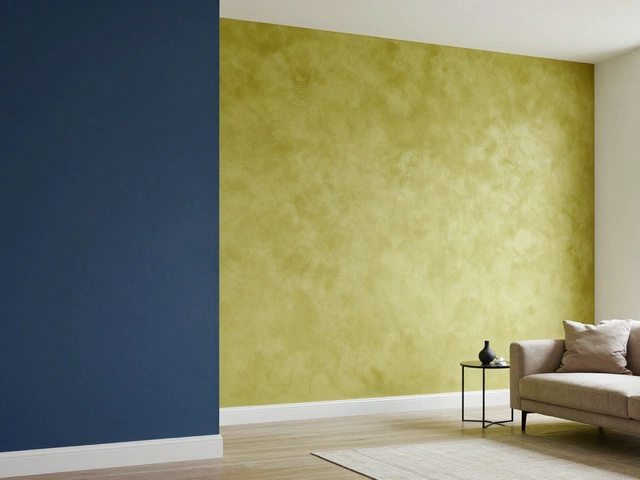
Difference in Home Renovation, Furniture Maintenance & Design
When working with difference, the way two things vary or contrast, whether in style, function or condition. Also known as variation, it helps you spot what makes each project unique. Understanding home renovation, the process of updating a house’s structure, finish or layout and furniture maintenance, regular care that keeps pieces looking and working like new often starts with noticing the difference between the old and the desired outcome. That contrast drives decisions about paint colors, storage tweaks, or hardware upgrades. In interior design, design trends, popular styles that shape how rooms feel and function rely on subtle differences in hue, texture, and layout to create impact. And when you plan storage solutions, smart ways to organize belongings in limited space, the difference between a cluttered shelf and a tidy one can change how you use the room entirely.
Why Knowing the Difference Matters
Every renovation project is a series of choices, and each choice is a response to a perceived difference. Spotting the gap between current floor wear and a durable finish tells you whether a simple sanding will do or if a full replacement is needed. Likewise, noticing the difference in moisture levels between a damp basement and a dry living room guides the type of sealant you apply. When it comes to furniture, the difference in wood grain after a light repair versus a deep refinishing informs how much time and budget you allocate. Interior designers use the difference in light exposure across a room to pick window treatments that balance privacy with daylight. Even storage hacks hinge on the difference between vertical and horizontal space – a wall‑mounted rack exploits height, while under‑bed bins use depth. By treating each of these gaps as a data point, you turn guesswork into a clear plan of action.
Putting this mindset into practice feels like having a cheat sheet for home improvement. You start a project by listing the key differences you see, then match each one to a tool, material, or technique that bridges the gap. For example, a color mismatch on an old table becomes an opportunity to modernize it with a bold finish, while a sagging sofa cushion signals the need for firmer padding. The same principle applies to larger builds: a settlement sign in a foundation points you to structural reinforcement, and a mismatched tile pattern suggests a redesign of the layout. This approach doesn’t just save money – it makes the process more satisfying because you can see exactly why each step matters. Below you’ll find a curated set of guides that dive deeper into spotting and fixing these differences, from DIY table makeovers to smart storage hacks and the latest interior color trends. Explore the collection and turn every contrast you notice into a confident improvement.

Sofa vs Couch: What's the Real Difference?
Confused about the difference between a sofa and a couch? You're not alone. This article breaks down how these two pieces of furniture got their names, why people use the words interchangeably, and whether there's actually a functional difference. It covers how to spot one from the other, offers some fun facts, and gives practical tips on choosing the right one for your space. Get the facts straight and decide what really matters for your living room.
full article