Data Durability: What It Means and Why It Matters
When working with data durability, the ability of digital information to remain intact and accessible over long periods. Also known as digital longevity, it becomes the cornerstone of any reliable data‑management plan.
Understanding data longevity, how long data can survive without degradation helps you set realistic expectations for storage solutions. While a photo file may survive a decade on a quality SSD, the same file could start to show errors after 20 years on a cheap flash drive. Knowing the difference guides you toward the right media for each use case.
One of the biggest influences on data durability is the choice of storage media, the physical or virtual hardware that holds your files. Hard drives, solid‑state drives, magnetic tapes, optical discs, and cloud services each have distinct lifespan profiles. For instance, magnetic tape can last 30+ years when stored properly, while consumer‑grade SSDs may begin to lose cells after 5‑10 years of heavy write cycles. Matching media lifespan to your data’s criticality prevents costly surprises.
Even the best storage media can fail if you ignore environmental factors, conditions like temperature, humidity, and electromagnetic interference. High heat accelerates electronic wear, while moisture can cause corrosion in connectors. Simple steps—like keeping drives in a climate‑controlled drawer and using anti‑static bags—extend the life of your archives dramatically.
Practical Strategies to Boost Data Durability
Effective backup strategies, planned copies of data stored in separate locations or formats are the safety net that most people overlook. A 3‑2‑1 rule (three copies, two different media, one off‑site) turns a single point of failure into a robust defense. This approach also mitigates risks from ransomware, accidental deletions, or hardware malfunction.
Regular integrity checks are another essential practice. Tools that verify checksums or hash values catch bit‑rot early, letting you replace compromised files before they corrupt the whole set. Scheduling these checks quarterly keeps the process manageable and ensures you catch issues when they’re still fixable.
When planning long‑term preservation, consider the concept of data preservation, the systematic approach to maintaining data accessibility and usability over time. This includes migrating data to newer formats before older ones become obsolete, documenting file structures, and storing metadata alongside the files. By treating preservation as a continuous process rather than a one‑off event, you safeguard the relevance of your data as technology evolves.
Cost is often the deciding factor, but remember that cheap solutions can cost more in the long run if they fail early. Investing in enterprise‑grade media, reputable cloud providers, or a modest NAS system with redundancy may seem pricey upfront, yet it reduces the total cost of ownership by preventing data loss and the need for emergency recovery.
Human error remains a leading cause of data loss. Training staff on proper handling—like safely ejecting drives, avoiding force‑quit during transfers, and using version control for critical documents—creates a culture where data durability is a shared responsibility.
Finally, keep an eye on emerging technologies. DNA storage, for example, promises millennia‑long lifespans, while cloud providers now offer immutable bucket configurations that lock files against alteration. Staying informed lets you adopt breakthroughs that align with your durability goals without overhauling your entire infrastructure.
All these pieces—media choice, environmental control, backup routines, integrity checks, preservation planning, and ongoing education—interlock to form a solid foundation for genuine data durability. Below you'll find a curated set of articles that walk you through each of these topics in detail, from DIY storage hacks to professional-grade preservation methods. Dive in to start strengthening your digital assets today.
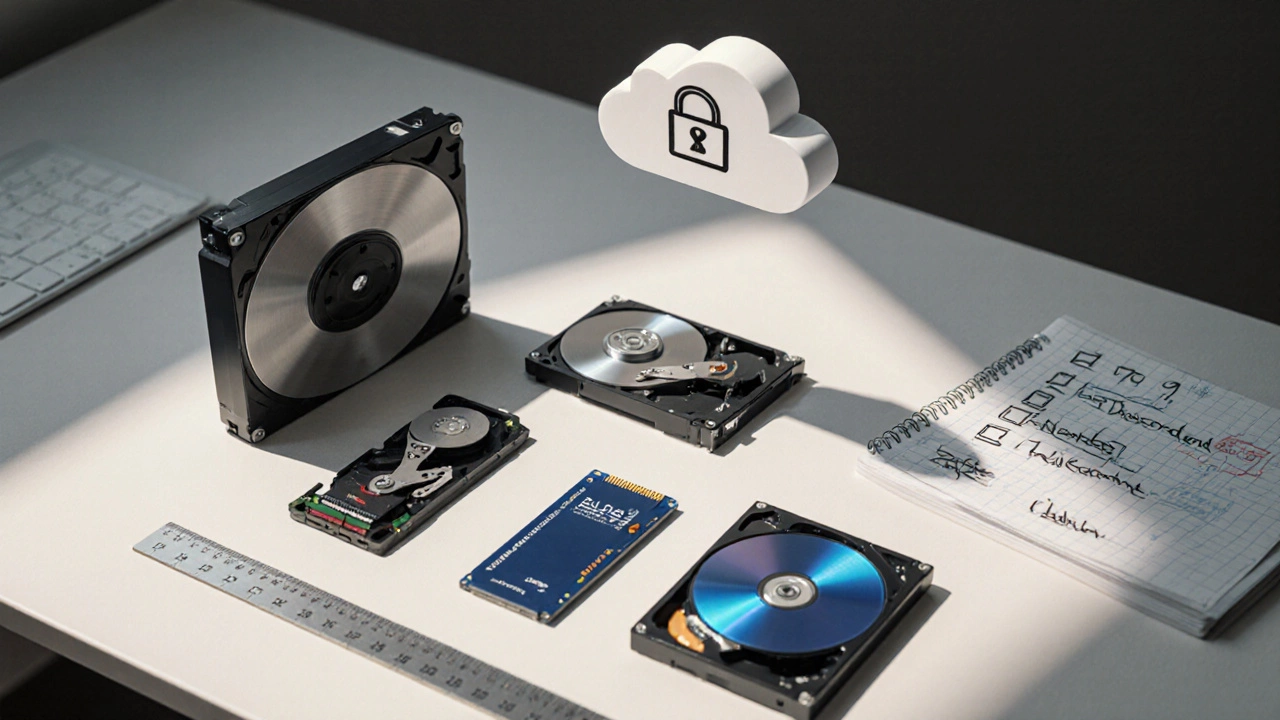
Best Options for Long-Term Data Storage in 2025
Discover the top long‑term data storage options in 2025, from magnetic tape to cloud archives. Learn costs, durability, speed, and how to pick the perfect mix for your needs.
full article