Cost-Effective Home Renovation: Smart Upgrades That Deliver Real Value
When you think of cost-effective home renovation, a smart approach to improving your home without overspending. Also known as affordable home upgrades, it’s not about skipping quality—it’s about choosing where to spend wisely. Most people assume big renovations mean big budgets, but that’s not true. You can transform your space with small, strategic changes that add comfort, style, and even resale value—without touching the structural walls.
Take foundation repair, fixing cracks and leaks before they turn into major structural problems. A small crack ignored today can cost thousands tomorrow. In places like Vancouver, where weather swings stress your home’s base, even minor fixes like interior drainage or sealing cracks with epoxy can stop damage before it spreads. It’s not glamorous, but it’s one of the smartest cost-effective home renovation moves you can make.
Then there’s bathroom remodel ROI, how much value you get back from updating a bathroom without a full gut job. Swapping out old faucets, adding LED mirrors, or upgrading to high-pile towels doesn’t require tearing out tiles. These tweaks make your bathroom feel like a spa—without the price tag. And if you’re planning to sell, studies show these small upgrades often give back more than 100% in added home value.
You don’t need to rebuild your whole house to feel like you live in a new one. Replacing outdated lighting, painting walls a neutral tone, or even just covering your couch with a slipcover to protect it from pets and sun damage are all low-cost wins. These aren’t just fixes—they’re thoughtful choices that extend the life of what you already own.
And it’s not just about saving money. It’s about avoiding waste. Why buy a new dresser when you can style the one you have to work perfectly in your dining room? Why replace your Sunbrella cushions when proper cleaning and care can make them last over a decade? hardwood flooring, a long-term investment that boosts home value by 5-10%, is better than carpet because it lasts longer, looks cleaner, and appeals to more buyers. These aren’t trends—they’re smart habits.
There’s a difference between spending money and spending it well. A new build, a freshly constructed home that needs time to settle before final decorating shouldn’t be filled with heavy furniture or wallpaper the day you move in. Waiting a few months lets the plaster dry, the wood shrink, and the structure stabilize. Skipping this step leads to cracked paint, warped trim, and wasted cash. Patience saves money.
What you’ll find below isn’t a list of fancy makeovers. It’s a collection of real, practical fixes that people actually use—like how to stop foundation leaks from the inside, why neutral furniture colors never fail, or how to make a traditional home look modern with just paint and lighting. These aren’t designer secrets. They’re everyday solutions from homeowners and pros who know what works—and what doesn’t cost a fortune.
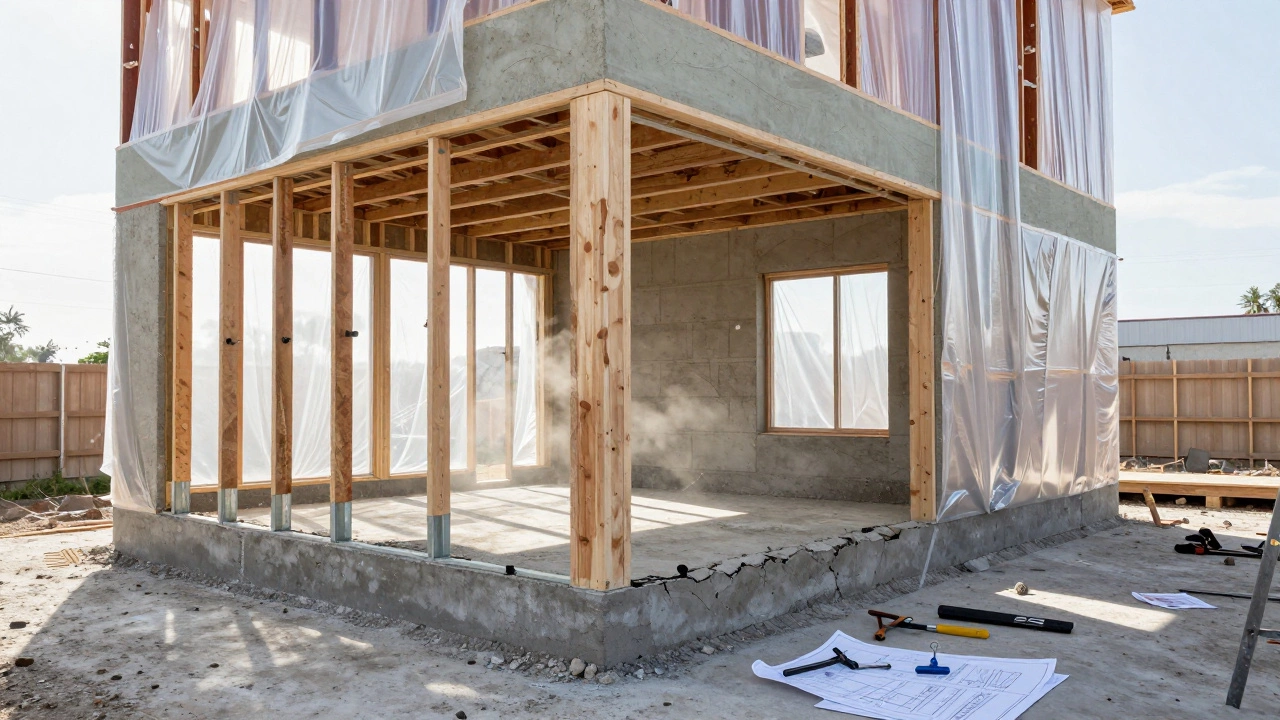
Is It Cheaper to Build Up or Expand Your House?
Building up or expanding outward? Learn the real costs, hidden expenses, and key factors that make one option significantly cheaper than the other for home additions in 2025.
full article