Coffee Table: Styles, Placement Tips & Design Ideas
When choosing a coffee table, a low surface typically placed in front of a sofa for drinks, books, and décor. Also known as low coffee table, it acts as both a functional piece and a style anchor in a living area.
Another key player is the sideboard, a taller storage unit often used for dishes, linens, or display items. Pairing a coffee table with a sideboard creates a balanced visual hierarchy: the low profile of the table offsets the vertical weight of the sideboard, making the room feel coordinated.
Your sofa, the main seating element that defines the conversation zone also dictates coffee table dimensions. A common rule is to keep the table’s height within 1‑2 inches of the sofa’s seat cushion height, ensuring easy reach for drinks and remote controls. The material of the sofa—leather, fabric, or microfiber—can guide your table’s finish choice: glass tops work well with sleek leather, while wood complements warm fabric upholstery.
How a Coffee Table Connects to Your Living Room Design
Think of the living room, the central gathering space where furniture, lighting, and décor converge as a canvas. The coffee table is a brushstroke that ties the whole picture together. If your living room leans modern, a metal frame with a glass top reinforces that aesthetic. For a rustic vibe, reclaimed wood adds texture and warmth. The table’s shape—round, rectangular, or oval—affects flow: round tables soften sharp lines, while rectangular ones define clear zones.
Materials also play a role in durability and maintenance. A lacquered surface repels spills, making it ideal for households with kids or pets. Conversely, an uncoated wood top can develop a patina that many homeowners love for its lived‑in character. When you’re planning a makeover, consider how the coffee table’s finish will age alongside your sofa and sideboard.
Placement rules are simple but powerful. Keep a 12‑18 inch gap between the sofa and the coffee table; this space allows easy access without feeling cramped. If you have a sectional, the table can sit slightly behind the armrests for a relaxed look. In smaller rooms, a nesting set lets you pull out extra surface area when needed and tuck it away to save space.
Beyond aesthetics, the coffee table serves practical needs. It can hold magazines, a decorative tray, or a small indoor plant—each item adds personality without clutter. Adding storage layers, like a lift‑top or drawers, turns the table into a hidden organizer for remotes and coasters, merging form and function.
Design trends shift, but the core idea stays: a coffee table should enhance comfort, support daily routines, and reflect your style. Whether you’re drawn to minimalist glass, industrial steel, or handcrafted wood, the right table will make your living room feel complete. Below you’ll find articles that dive deeper into specific styles, DIY makeover ideas, budget‑friendly upgrades, and maintenance tips to keep your coffee table looking fresh for years.

Square vs Circle Coffee Table: Which One Fits Your Space?
Choosing between a square or circle coffee table seems simple, but the shape you pick totally changes how your living room looks and feels. This article breaks down pros and cons of each, offers practical tips for families or tight spaces, and shares surprising little details that most folks overlook. Whether you need more room for board games with kids or enough walk-around space for guests, you’ll get clear, down-to-earth advice to help you decide. Avoid regret and get the scoop before dropping your money. Make your living room work smarter, not harder.
full article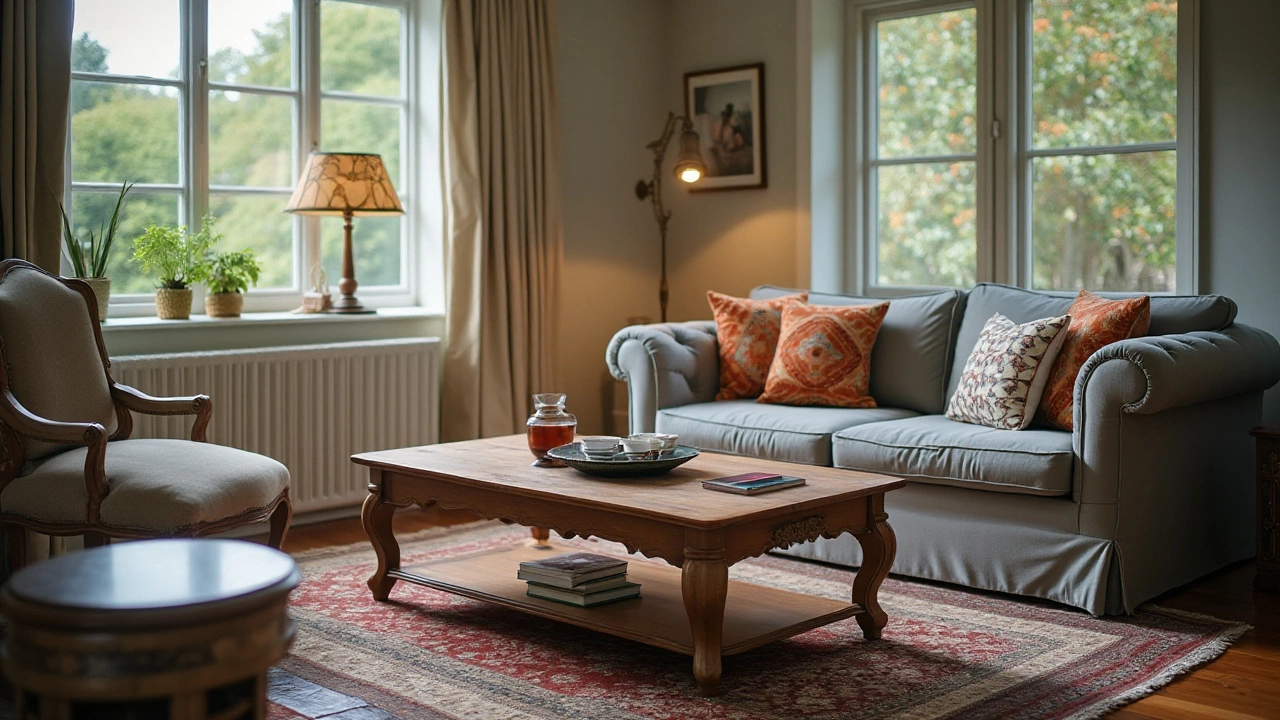
The Art of Pairing Coffee Tables with Couches: Styling Tips and Ideas
Choosing the perfect coffee table to complement your couch requires an understanding of style, function, and the room's layout. It's not just about matching colors or shapes—considering elements like size, height, and material can transform your living space into a harmonious and functional area. This article explores creative tips and practical advice to ensure a visually appealing combination that reflects your personal taste and meets your living room needs.
full article